
Thursday, November 19, 2026



News and Views from the Global South
Climate Change
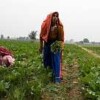
DEVELOPMENT-INDIA: Farmers Vs Coca-Cola in Water Wars
As India faces its worst drought in four decades, a dispute over water resources between farmers in the Kala Dera area of western Rajasthan state and a Coca-Cola bottling plant located there has sharpened.ENVIRONMENT: Synergies in Fight Against Desertification , Climate Change
Climate change aggravates soil degradation, but sustainable use of land resources can, in turn, mitigate global warming, according to participants at the United Nations conference on desertification in the Argentine capital.
SRI LANKA: Mixed Hopes amid Unpredictable Weather Shifts
As the world awaits with bated breath the much-anticipated outcome of the upcoming Copenhagen Climate Change Summit in December, the impact of which will reverberate across the globe, Sri Lanka, like many other countries, has been reeling under sharply contrasting weather conditions.ENVIRONMENT: Could Food Shortages Bring Down Civilisation?
In early 2008, Saudi Arabia announced that, after being self-sufficient in wheat for over 20 years, the non-replenishable aquifer it had been pumping for irrigation was largely depleted.
DEVELOPMENT: ‘Gender Is No Distraction in Climate Change Talks’
As the countdown to the Copenhagen Climate Change Summit draws to a close, gender and climate change advocates are doubling their efforts to make sure that 23 gender-related paragraphs in the negotiating text will make it to the new treaty that will be hammered out in December.DEVELOPMENT: Gender Advocates Keep a Close Eye on Climate Talks
After nine months of a rollercoaster ride pushing for a gender perspective on climate change, advocates are finally beginning to reap the fruits of their labour.ASIA: Calls for Massive Financing Kick Off Climate Change Talks
The need for adequate financing to assist developing countries in meeting the challenges of climate change was highlighted on Monday’s opening of the United Nations Framework Convention on Climate Change (UNFCCC) negotiations in Thailand’s capital.UGANDA: Carbon Trading Scheme Pushing People off Their Land
As the world's attention increasingly turns to the impact of climate change, at least one project intended to reduce global carbon emissions is accused of displacing indigenous persons from their home in Uganda.
ASIA: Climate Change Puts Mekong Region’s New Species at Risk
The rich and unique biodiversity of the Mekong region, which has been discovered only since the recent years, is likely to be put at risk by environmental impacts that climate change is expected to bring, says the World Wide Fund For Nature (WWF) in a report launched here Friday.ENVIRONMENT: Climate Change Faster Than Expected, UN Says
Less than three months before a key global negotiation on curbing greenhouse gases, a new study released here Thursday by the U.N. Environment Programme (UNEP) warns that climate change is taking place faster than anticipated.CLIMATE CHANGE: Time Running Out on Vows to Act, Scientists Warn
Promises are easy to make. But promises by world leaders will not halt the heat-trapping carbon emissions that are dialing-up global temperatures and altering the climate, say critics and climate researchers meeting in this U.S. Midwestern city.
ENERGY: Trees: Out of the Forest and Into the Oven
Millions of trees, especially from the developing countries of the South, are being shipped to Europe and burned in giant furnaces to meet "green energy" requirements that are supposed to combat climate change.ENVIRONMENT: China Backpedals on Emissions But Still Noncommittal
Although pledging to break away from its highly polluting economic path, China has managed to stick to its guns and not compromise on what it believes is its national agenda.ENVIRONMENT: Women on Front Lines of Climate Week
Women's voices remain highly underrepresented in the climate change debate, say international civil society leaders attending events taking place around the United Nations Climate Summit Tuesday.
BRAZIL: Electric Car Revolution in the Making
The electric vehicle - pure or hybrid - will trigger an energy and industrial revolution worldwide in the coming decades, dealing a blow to liquid fuels. But plant-based ethanol will survive and grow, say Brazilian experts consulted for this report.
ENVIRONMENT: Japan, China Pledge to Act on Climate Change
When the one-day summit meeting on climate change ended late Tuesday, only Japan and China were singled out for their concrete commitments to battle one of the world's biggest environmental challenges.
ENVIRONMENT: Act Now or Lose Forever, Climate Summit Told
The world's small island developing nations, most of which are threatened with environmental devastation, put the international community on dire notice: either accept ambitious and binding emission reduction targets, or humanity is doomed.SOUTH ASIA: Disunity Hovers over a Region Battling Climate Change
As the Copenhagen Conference on climate change draws nearer, South Asia, which appears poised for severe threats from the impacts of climate change, faces a stiff challenge on two fronts.LATIN AMERICA: Desertification – an Invisible Cancer
"Desertification is the cancer of the earth," Argentine geographer Elena Abraham told IPS. "It is a process of degradation that does not manifest itself in spectacular ways but furtively advances, and by the time it is visible there is nothing to be done, and people have to move away, in search of an alternative."
ENVIRONMENT: Making Wetlands Count
Iceland wants wetland restoration to be assessed for emission reduction units at the summit to work out a new deal on climate change in December in Copenhagen.POPULATION: Where’s Family Planning on Climate Change Radar?
Are climate change and reproductive health two disparate subjects?« Previous Page — Next Page »


As unsustainable human consumption and production systems are driving changes in average temperatures and weather patterns, "abnormal" is increasingly becoming the norm. So far, a lack of financing has been standing in the way of a comprehensive global plan for climate adaptation, and a global financial crisis has contributed to an increasing reliance on public-private partnerships. Our Climate Change page provides you with the latest news about international and local efforts to address what's frequently been called "the challenge of our time", the forces behind the climate change and the impact it has on the world's most vulnerable populations. Along the way, we bring you stories on growing citizen awareness, new scientific data, and emerging climate policies towards sustainable development.

The Week with IPS

Tracking global progress towards a sustainable world

