
Thursday, November 19, 2026



News and Views from the Global South
Climate Change

AUSTRALIA: Forgotten Victims of Bushfires’ Fury
The fires which swept across 400,000 hectares of bush in the south-eastern Australian state of Victoria in February left 173 people dead and ruined more than two thousand homes. But while they razed businesses, schools and kindergartens to the ground, wildlife and their habitats were also destroyed.
PERU: Water Isn’t for Everyone
The melting of glaciers resulting from climate change and the lack of adequate water management policies seem to be the main causes behind the water shortages that are fuelling conflicts in Peru.U.S.: Greens Hail Obama’s OK to Regulate Greenhouse Emissions
U.S. green groups hailed Friday's formal finding by the Environmental Protection Agency (EPA) that carbon dioxide and several other greenhouse gases "endanger" public health and welfare as a landmark – if long overdue – step toward slowing global warming.ENVIRONMENT-BRAZIL: Protecting the Jungle Has a Price
Government officials, business leaders and non-governmental organisations agreed in Brazil on the need for rich countries and companies to "pay" the people of the Amazon jungle as "providers of environmental services" for contributing to the fight against climate change by not deforesting.ENVIRONMENT: Paper and Fuel Wood Biggest Stresses on Forests
Protecting the earth's nearly 4 billion hectares of remaining forests and replanting those already lost are both essential for restoring the earth's health, an important foundation for the new economy.ENVIRONMENT: Earth’s Arctic Freezer Turning Into Hothouse
The world is losing its northern freezer as Arctic winter ice is in sharp decline, NASA scientists reported this week. Even with below average winter temperatures, Arctic ice is thinner and covers less area than it did a decade ago.ENVIRONMENT-ANTARCTICA: Another Ice Shelf Falls Away
Accelerated warming in the Antarctic Peninsula has caused the loss of over 85 percent of the ice shelves surrounding the northern half of the peninsula in the last 20 years, experts say.
CLIMATE CHANGE: Seals in the Baltic Left without Ice
Ringed seals in the Baltic Sea are finding fewer and fewer ice caves in which to raise their young. Rising global temperatures are the problem, and in turn are depleting the main food source of the giant polar bear, say scientists.ENERGY: Oil Producers Look for Ways out of Crisis
With the price of crude oil down more than 50 percent from a year ago, and with U.S. President Barack Obama championing alternative forms of energy, oil producers are scrambling to find ways to protect their industry.CLIMATE CHANGE: Farming Could Be Friend or Foe
Don't forget about agriculture in the upcoming global negotiations to combat climate change, experts warn. Not only is farming most at risk in an increasingly variable and tempestuous climate, it is also a major emitter of greenhouse gases.
CLIMATE CHANGE: Going Beyond the Carbon Market
With an incisive report in hand about what awaits Latin America and the Caribbean in the future if action is not taken to fight climate change, economist John Nash defends the role of the World Bank and underscores the need to expand the so-called "clean development mechanism".CLIMATE CHANGE: G20 Leaders Wrangle Over Kyoto Successor
Senior legislators from the G20 bloc of the world’s biggest economies launched an international commission in Washington Monday to help lay the political groundwork for a global deal on climate change in Copenhagen this December.POLITICS-US: Bailout Bitterness Tainting Obama’s Broader Agenda
Two months into his term, U.S. President Barack Obama’s ambitious campaign programme for sweeping "change" has been whittled down to a bid for incremental change, with opposition to some of his proposed broad reforms coming from unlikely places.DEVELOPMENT: Troubled Waters Hard to Bridge
The fifth World Water Forum (WWF) held in Istanbul ended Sunday with wide- ranging differences among governments and groups with an interest in water.
ENVIRONMENT-CHILE: Nobody Is Predicting Cleaner Air for Santiago
Olivia González has been a schoolteacher for 30 years in Cerro Navia, one of the districts in the Chilean capital with the highest concentration of air pollution between April and August. A first-hand witness to its effects on health, she is pessimistic about the air she'll breathe this coming southern hemisphere winter.
Q&A: Climate Change Will Hit Water First
Whether through drought, floods, melting of ice or a rise in sea level, water will be the first to feel the effects of climate change, says Dr. Mark Smith, who heads the water programme at the International Union for Conservation of Nature (IUCN), the world's largest environmental network.
ENVIRONMENT-INDIA: Women Farmers Ready to Beat Climate Change
A collective of 5,000 women spread across 75 villages in this arid, interior part of southern India is now offering a chemical-free, non-irrigated, organic agriculture as one method of combating global warming.CLIMATE CHANGE: In Search of a Green Economic Stimulus
The high-level scientific climate conference that concluded last week in Copenhagen warned that humanity is rapidly approaching an irreversible, 1,000-year-long climate catastrophe.
ENVIRONMENT-PAKISTAN: Save the Indus Plead Delta Folk
"There was a time when we used to cast our nets into the river [Indus] and haul in no less than 400 to 500 ‘palla’ fish at one go," says 70-year-old Hamzo Jat.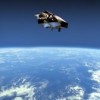
CLIMATE CHANGE: Polar Satellite Still in Planning Stage
When the European Space Agency (ESA) designed the original CryoSat ice-monitoring satellite, not all scientists accepted global warming as an urgent threat.POLITICS: Obama Sets New Course at the U.N.
After nearly a decade of an often tense and estranged relationship with the United Nations, Washington appears to be taking a much more conciliatory and multilateral approach to the world body.« Previous Page — Next Page »


As unsustainable human consumption and production systems are driving changes in average temperatures and weather patterns, "abnormal" is increasingly becoming the norm. So far, a lack of financing has been standing in the way of a comprehensive global plan for climate adaptation, and a global financial crisis has contributed to an increasing reliance on public-private partnerships. Our Climate Change page provides you with the latest news about international and local efforts to address what's frequently been called "the challenge of our time", the forces behind the climate change and the impact it has on the world's most vulnerable populations. Along the way, we bring you stories on growing citizen awareness, new scientific data, and emerging climate policies towards sustainable development.

The Week with IPS

Tracking global progress towards a sustainable world

