
Sunday, October 11, 2026



News and Views from the Global South
Climate Change

Health Emerges as a Strategic Frontline for Africa Ahead of Bonn Climate Conference
Africa contributes the least to global greenhouse gas emissions, yet it faces some of the world's most severe climate-related health impacts. Several realities define the continent's climate and health landscape – increased infectious diseases, air pollution, death, disruption and pressure on health systems through heatwaves, floods, droughts and storms.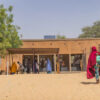
Violence, Climate Shocks, and Hunger Push The Sahel To The Brink of Collapse
Over the past few years, the humanitarian crisis in Africa’s Sahel region has expanded considerably, largely driven by a surge of violence—particularly in the Central Sahel. Although the crisis has been described by the United Nations (UN) as having “largely faded from the headlines” since its wake in 2012, millions of people across the region are in dire need of humanitarian assistance as civilian displacement, climate shocks, and widespread hunger rapidly spill across borders.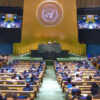
UN Climate Resolution: Time to Protect Activists
Ahead of World Environment Day, the UN General Assembly made a vital commitment to protect people from climate impacts, adopting a resolution on the climate change obligations of states. The resolution follows up on the International Court of Justice (ICJ) advisory opinion issued last year, which found that states have a legal duty to prevent activities that cause environmental harm. Most states voted for the resolution despite a concerted campaign by the Trump administration to block it.
Governments Falling 90 percent Short of Climate Adaptation Finance Needs
Governments are falling 90 percent short of adaptation finance targets and leaving people in climate-vulnerable communities drastically under-equipped to cope with the devastating impacts of climate change, Oxfam warns ahead of Bonn climate talks (8-18 June).
GEF Pushes Innovation, Blended Finance Ahead of the Eighth Assembly
As the Global Environment Facility (GEF) steps into the starting blocks of its next financial cycle, the Interim CEO Claude Gascon reflects on what he termed a “moment of transition and delivery".
Filipino Indigenous Leader Takes Ancient Wisdom to the Global Stage
Every year, when dark clouds gather above the dense forests of the Philippines, 56-year-old Mini Baeyens, of the Aplay Kankanaey tribe, vigilantly watches the sky.
GEF Approves Adaptation Funds Strengthening Resilience in Vulnerable Countries
Bangladesh, the Democratic Republic of Congo, Guinea-Bissau, Niue, Senegal, Solomon Islands, Sudan, and Togo will receive over USD 67 million in new funding to help strengthen resilience.
World Environment Day, 2026

2025 was one of the three hottest years ever recorded. The years from 2015 to 2025 were the hottest eleven years on record.

As Three COPs Converge, Leaders at GEF Council Call for Unified Global Action
On day 2 of the Global Environment Facility’s 71st Council Meeting, which focused on process and procedure, a clear message emerged: global environmental governance cannot afford fragmentation.
Delegates Push for Greater Accountability, Community Inclusion as GEF Crosses Major Environmental Milestones
While the Global Environment Facility (GEF) said its eighth replenishment cycle (GEF-8) was about to exceed environmental targets for biodiversity protection, marine conservation, ecosystem restoration, and reducing greenhouse gas emissions, governments and civil society groups called for stronger safeguards to ensure that local communities, Indigenous Peoples, and smaller implementing agencies are not left behind as funding mechanisms become more complex.
Africa’s Water is its Future. Who will Govern it?
Africa holds 9 per cent of global renewable freshwater, over 600 gigawatts of untapped hydropower potential, and between 60 and 65 per cent of the world's uncultivated arable land.
“The Heat Is No Longer Distant: A Global Climate Reckoning“
‘As record heat sweeps the world, the climate crisis is no longer a warning for the future, but a reality of the present.’
How Europe’s Waste Could Supply Over Half of Critical Material Demand – Report
Europe’s growing mountain of waste could become one of its most important sources of critical raw materials, according to a major new report that warns of rising geopolitical risks and growing global competition for minerals needed in the green and digital economy.
Connecting the Dots: Quality Seed, Resilient Food Systems and Good Health
It is often said that the quality of seed determines the quality of the produce and, consequently, the sustainability of the entire agricultural value chain, influencing everything from crop yields to nutritional value.
From Seed to Canopy: How a GEF-Funded Smallholder Project is Restoring the Environment, Building Livelihoods
As 52-year-old Alice Onyango walks through her farm in Siaya county, Kenya, you can tell she is proud of her trees, as some tower over her, providing her with shade, while others seem ready to provide her with fruit for the market.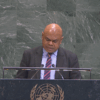
UN General Assembly Votes for Resolution on ICJ Advisory Ruling on Climate Obligations
Member states this week (May 20) deliberated over a draft resolution on states’ obligations in respect of climate change following the advisory opinion from the International Court of Justice (ICJ). The General Assembly agreed to take measures to uphold the ICJ’s advisory opinion for member states to meet their existing obligations to climate justice under international law and multilateral frameworks.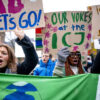
The UN Vote that Could Reshape Climate Justice
Normally, resolutions voted at the United Nations General Assembly do not make the headlines. As nonbinding and mostly symbolic, rich in principles yet empty and lacking the power to carry consequences, these statements are shrugged off and ignored.
India: Climate Diplomacy Questioned After COP33 Hosting Withdrawal
India has withdrawn its bid to host the 2028 United Nations climate summit, a move that indicates a recalibration of its global climate engagement even as it projects itself as a leader in renewable energy and climate action.
UN Weather Agency Warns of Escalating Climate Extremes Across Caribbean and Latin America
Faster-than-average sea level rise, intensifying hurricanes, extreme heat and worsening swings between drought and flooding are increasing pressure on Latin America and the Caribbean, according to a new report released Monday, May 18 by the World Meteorological Organization (WMO).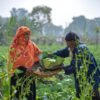
Building Resilient Food Systems in an Age of Disruption
The latest shock to global food systems, triggered by conflict in the Middle East and disruptions around the Strait of Hormuz, has once again exposed a fragile truth: the world’s food systems remain highly vulnerable to external shocks.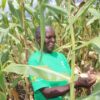
Field-Based Research Is a Lifeline for Zimbabwe’s Food Security
Agriculture sustains millions of people in Zimbabwe, serving as a vital source of both food and income. But climate-related pressures affecting land, crops, rainfall patterns, and increasing pest outbreaks are threatening smallholder farmers’ harvests, leaving them food insecure.« Previous Page — Next Page »





As unsustainable human consumption and production systems are driving changes in average temperatures and weather patterns, "abnormal" is increasingly becoming the norm. So far, a lack of financing has been standing in the way of a comprehensive global plan for climate adaptation, and a global financial crisis has contributed to an increasing reliance on public-private partnerships. Our Climate Change page provides you with the latest news about international and local efforts to address what's frequently been called "the challenge of our time", the forces behind the climate change and the impact it has on the world's most vulnerable populations. Along the way, we bring you stories on growing citizen awareness, new scientific data, and emerging climate policies towards sustainable development.

The Week with IPS

Tracking global progress towards a sustainable world

