
Tuesday, November 17, 2026



News and Views from the Global South
Environment
/CORRECTED REPEAT*/: Burkina Faso Losing Thousands of Hectares of Forests Each Year
The Burkina Faso authorities have sounded the alarm over the increased rate of degradation of forests in this Sahelian country.ZIMBABWE: Mending the City’s Water Leaks
Thomas Njini is used to working with burst sewers and water pipes. It is a daily experience for him to respond to calls where he has to shovel human waste to clear blocked sewers. It is a job he continues to do with unenviable dedication in this city of two million people.Ecobreves – VENEZUELA: Protests Against Oil Refinery
Residents of the town of Las Piedras on the northern outskirts of Punto Fijo, the site of a major oil refinery complex on the Paraguaná peninsula in northwestern Venezuela, have staged street protests over the coke residue and other toxic contaminants emitted by the refinery.Ecobreves – HONDURAS: New Geological Risk Zones Identified
Students and geologists from Costa Rica will undertake the mapping of new areas at risk of landslides and flooding in the Honduran capital.Ecobreves – BRAZIL: Biodiesel Byproduct Also a Source of Energy
A waste byproduct of biodiesel production can be transformed from a source of environmental pollution into a source of energy, according to a study conducted by the São Carlos School of Engineering at São Paulo University.LATIN AMERICA: Sustainable Development, Not ‘Green Economy’
With less than a year to go for the Rio+20 Summit, civil society in Latin America and the Caribbean is mustering its strength to defend the principles of sustainable development, as opposed to the model of a "green economy", which it views as only benefiting the business interests of big companies.Somalia to Dadaab: The Journey from Hell
The lorry sways slowly from side to side along a dirt track as it ambles towards its place of rest. The red straw bags, clothes and empty yellow water bottles tied to the rear end of the open cargo hold tower above the pensive faces peering over colourfully painted steel panels.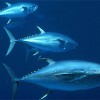
Ailing Tuna Fisheries Hit Hard by Poachers
Miles away from the briny business of tuna harvesting, delegates from around the world gathered in San Diego, California for three days in mid-July to discuss the future of the fishing industry.Latin America Has One-Fifth of Global Oil Reserves
Fossil fuels are an energy source condemned by environmentalists, but do not appear to be on the way out in Latin America and the Caribbean, given the rise in the region's proven oil reserves in recent years.U.S. Warns of Dark Path Ahead Without Cooperation in Sudan
As South Sudan was admitted as the 193rd member of the United Nations on Thursday, officials in Washington said the hard work in the fragile new country has just begun.ECUADOR: Fate of Untapped Oil Hangs in the Balance – of Trust Fund
"Ecuador will not wait ad infinitum" for a decision by the international community, and "at the end of the year" President Rafael Correa will decide whether to extract oil that was to have been left underground at the Yasuní nature reserve, non-renewable natural resources minister Wilson Pástor has announced.
Spanish NGO Recycles Used Oil into Solidarity with Peru
Tons of artisanal soaps made from recycled olive oil are regularly shipped from Spain to Peru, where their sale and use helps finance local development and education for children in poor communities.AUSTRALIA: Renewable Energy Wins, Controversially
Australia has taken a major step in reducing its future greenhouse gas output with the announcement of a plan that will initially place a tax on every tonne of carbon pollution produced by hundreds of the country’s major emitters.
Q&A: “Urgent CO2 Cuts Critical to Save Our Oceans”
The health of the world's oceans is much worse than is widely believed, but it is not too late to change tack and help this critical ecosystem recover, at least in part, experts say.
ASIA: Activists Press for Gender Equality in Forest Tenure Reforms
A 1993 forest act gave back Nepal its green hills, many believe. Activists say the law was also a catalyst for positive change in an area not readily linked with it – women’s rights in rural Nepal.
Keeping Healthy Veggies from Turning Deadly
Fatal outbreaks of food poisoning in the United States, Mexico and Europe expose the failure of regional and global initiatives to ensure that fruits and vegetables are safe and healthy.
Q&A: Cook Islands Aims for 100 Percent Green Energy by 2020
"One hundred percent renewable energy by 2020... It is ambitious but it is not impossible," Henry Puna, prime minister of the Cook Islands, told IPS in a recent interview.INDONESIA: Expanding Land Rights to Boost Growth, Cut Emissions
Indonesia has assumed a target to cut greenhouse gas emission rates by half and achieve an economic growth rate of seven percent by changing the way it manages its vast forest land, and giving greater control over land to local communities.
BRAZIL: Women in Favelas Broadcast Peace
Local women's voices have begun to be heard over a community radio station now broadcasting in Complexo do Alemao, a clump of favelas or shantytowns on the north side of this Brazilian city that were ruled until recently by armed drug gangs.ENVIRONMENT-CHILE: Native Seeds in Danger of Being Monopolised
Fear is growing among environmental and indigenous organisations in Chile over the possible appropriation of native seeds by foreign companies, opening the doors to transgenic crops and their negative impact on biodiversity.
SOUTHERN AFRICA: Majority Still Lack Access to Safe Water
Only two in every five people in the Southern African Development Community has access to safe water for drinking and household use. Three quarters of those lacking access, live in rural areas and the majority of these are women and children.« Previous Page — Next Page »


Through our global network of local writers, we are continuing our award-winning coverage of global and local environmental challenges, with a focus on the people for whom the ecosphere matters in a direct way: rural dwellers who have little means to protect themselves against adverse conditions; communities that need to switch to sustainable development in order to survive; poor women and children, who are the most vulnerable in natural disasters. Sponsored by the United Nations Environment Program (UNEP), the United Nations Development Program (UNDP) and The World Bank (WB), IPS also maintains the award-winning Tierramérica, a specialised information service on environment and development.

The Week with IPS

Tracking global progress towards a sustainable world


