
Saturday, November 21, 2026



News and Views from the Global South
Environment
Renewable energy
Energy production based on sources of energy that do not run out, for example wind, water and solar power.Sunspots
Areas on the surface of the sun, which in periods are a little colder than the rest of the surface and appear as dark spots.
Mexican Scientists and Communities Forge Eco-Alliances
Two worlds join forces in Mexico -- academia and common folk -- to confront environmental problems.
Out of the Frying Pan and Into the Engine
The touristic city of Neochea, Argentina, is putting together a pioneering plan for the compulsory collection of used cooking oil from restaurants in order to produce biodiesel.CLIMATE CHANGE: Science vs Politics at the Edge of the North Pole
Spectacular views of mountains and glaciers here in the world's most northerly permanent human settlement contrasted with business and political leaders' pessimism and concern about the enormous gap between the action on climate that science deems necessary and what politics considers realistic.CLIMATE CHANGE: ‘We Have Run Out of Time’
New scientific research suggests that climate change is taking place faster than foreseen in studies considered so far, according to environmental experts at a forum on climate change called by the Global Legislators Organisation for a Balanced Environment (GLOBE).CHILE: Mixed Reception for Indigenous Protection Code
Although it is still in the process of being drafted, a "code of responsible conduct" promoted by the Chilean government to regulate public and private investment in indigenous areas has already drawn resistance.
BRAZIL: Nature Paths Instead of Wall for Rio Slum
Representatives of the Rocinha slum and the Rio de Janeiro government have agreed to replace a high wall, intended to prevent this densely populated hillside neighbourhood from spilling into the forest, with ecological paths, parks and low walls.SOUTH AMERICA: Calls for Justice for Peru’s Native Peoples
Social organisations in South America are backing the struggle against opening up Peru’s Amazon jungle to mining and oil companies, which resulted in clashes in which at least nine indigenous people and 25 police officers died.VIETNAM: Saltwater Intrusion Adds to Water Woes
When they got out of bed one morning in April this year, the residents of Vi Thanh City here in southern Vietnam’s Mekong Delta were surprised to find that their water had become salty.CLIMATE CHANGE: Obama Sounds Too Much Like Bush
A leading global environmental group has accused the United States of holding up UN climate negotiations.CLIMATE CHANGE: Call for a Green Fund
Environmental legislators from the 13 countries with the largest greenhouse gas emissions have called for the creation of an international green fund to be included in the Copenhagen protocol on climate change. The fund would provide developing countries with financial and technical resources to create a carbon-free economy.CLIMATE CHANGE: China Rallying South to Defend Right to Development
As the December deadline for reaching a global climate deal in Copenhagen approaches, China is claiming leadership - rallying emerging economies to defend their rights to development and strike bargaining positions with rich nations.BRAZIL: Environment Minister Under Fire from All Sides
The approval of draft laws and infrastructure projects that pose a threat to the environment in Brazil, promoted by large landowners and even sanctioned by some sectors in the government, has tied the hands of Environment Minister Carlos Minc and brought a replay of the tense climate that cost his predecessor her job.ENVIRONMENT-ZIMBABWE: Farmers Go to War Against Lantana Camara
Armed with picks, axes and hoes, a group of enthusiastic villagers break into song: "Randana kamara wakaipa, Randana kamara wakashata.Watora ufuro hwezvipfuyo, wauraya mombe." ("Lantana camara, you are evil. You have taken over grazing land for our livestock, you have killed our cattle.")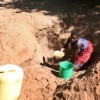
SOUTHERN AFRICA: Groundwater Still Underutilised
Despite the significant role groundwater could play in alleviating poverty, improving food security and contributing to overall development in Southern Africa, a lack of skills, finances and awareness of the resource means only a small percentage of the region's supplies are tapped into.
PERU: Native Protesters Search for Their Dead
Indigenous people taking part in protests near this town in the northern Peruvian province of Amazonas that ended in a bloody clash with the police last week are now focusing on drawing up a list of the dead and missing, amidst a climate of fear and mistrust.CLIMATE CHANGE: Another Go at Cracking Those Hard Nuts
Environmental legislators from the 13 countries with the largest greenhouse gases emissions are meeting in Rome this Friday and Saturday to discuss steps towards the UN climate change conference scheduled in December in Copenhagen.CLIMATE CHANGE: Agreement Prospects Slipping Away
As the electronic clock at the preparatory talks here in the former West German capital counted up to the crucial UN climate change conference Dec. 7-18 in Copenhagen, the possibility of a new treaty being hammered out appeared rather remote.
Q&A: Why Sanitation Is the Forgotten Sister
As part of the International Year of Sanitation in 2008, Zimbabwe developed a national strategy for sanitation, launched in February 2008. Just five months later, a cholera outbreak that was to claim over 4,000 lives began.ENVIRONMENT: The Greening of the French, Finally
Compost boxes on the balcony of small apartments. Queues at market stalls selling organic produce. Massive audiences for a film about the state of the earth. Unprecedented votes for environmental politicians in the European elections...« Previous Page — Next Page »


Through our global network of local writers, we are continuing our award-winning coverage of global and local environmental challenges, with a focus on the people for whom the ecosphere matters in a direct way: rural dwellers who have little means to protect themselves against adverse conditions; communities that need to switch to sustainable development in order to survive; poor women and children, who are the most vulnerable in natural disasters. Sponsored by the United Nations Environment Program (UNEP), the United Nations Development Program (UNDP) and The World Bank (WB), IPS also maintains the award-winning Tierramérica, a specialised information service on environment and development.

The Week with IPS

Tracking global progress towards a sustainable world


