
Sunday, November 22, 2026



News and Views from the Global South
Environment
ENVIRONMENT: Stepping Beyond Carbon Footprints
Do those 8,000 tonnes of carbon footprints arising from participation in the World Conservation Congress in Barcelona show the way beyond Kyoto? Will the marathon congregation significantly reduce biodiversity loss and halt creeping desertification?CLIMATE CHANGE: EU Could be Greener
The outcome of a crucial European Parliament vote on tackling climate change this week was not as negative as many green activists had feared. Yet it also suggested that the rhetoric of European politicians on how they must exercise leadership to ward off the threat posed by rising temperatures is not being matched with decisive action.ENERGY: Governments Must Lead on Renewables, says Shell CEO
Royal Dutch Shell, with an annual turnover of more than 350 billion dollars from extracting oil and gas, mainly in third world countries, says it is up to governments rather than companies like Shell to take the lead in finding solutions for a sustainable energy future.HEALTH: WHO Warns Against ‘Bird Flu Fatigue’
So where is the pandemic? This is a question most often asked of health experts years after they warned about a pandemic influenza that could infect up to 35 percent of the world's population.COLOMBIA: Sugar Workers Strike for Basic Rights
"We sugar cane cutters are neither delinquents nor terrorists; we are honest workers demanding respect for our rights," say Colombia’s cane harvesters, who have been on strike since Sept. 15, demanding basic rights.ENVIRONMENT: To Build a School, Save the Hippo
As the Wechiau community living along the banks of the Black Volta river in Ghana discovered, looking after the hippopotamus can build schools and bring electricity.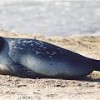
BIODIVERSITY: Mammals Face Extinction Crisis
One in four mammals on Earth is at risk of disappearing forever, according to the new "Red List of Threatened Species" released by the Geneva-based International Union for Conservation of Nature (IUCN) on Monday.ENVIRONMENT: Climate Action Could Escape Financial Crisis
Enter the global financial crisis - exit action on climate change? That lingering apprehension is not shared by Pamela Cox, the World Bank's vice-president for Latin America and the Caribbean.SRI LANKA: Trading Debts Against Carbon Credits?
Little Sri Lanka wants developing countries to be able to trade their debts against the environment destruction and climate change attributed to the developed nations.ENVIRONMENT: Twisted As Unnaturally as the Banks
The financial meltdown in most of the industrialised world presents an opportunity for a new economic model that would end short-sighted search for high returns, according to leading economists attending the IUCN World Conservation Congress here.MIDEAST: Where Water Leaves a Bitter Taste
Palestinian villagers drink unsafe agricultural water rather than trusting water provided by an Israeli company, says Buthaina Mizyed, who has worked in Arraneh village near the conflict-laden West Bank city of Jenin.ENVIRONMENT: EU Stepping Back from Cleaning Up
Most of the European Union's promised cuts in greenhouse emissions could be undertaken outside the bloc under a proposal to be considered by law-makers this week.
Pedaling Against Pollution
Citizens from around the world are rediscovering the bicycle, an efficient, cheap and clean form of urban transportation.Ecobreves – BRAZIL: Sawdust to Remove Metals from Water
Lumber waste is helping to clean up rivers and industrial effluents, removing heavy metals like chromium and lead, according to a study by the University of Brasilia.Ecobreves – ARGENTINA: Protests Against Cereal Pollution
Based in a tent in the eastern Argentine city of Rosario, civil society groups are demanding action on a court order to shut down a cereal storage and production site that they say is polluting the environment with pesticides.Ecobreves – MEXICO: A Highway Challenge
Mexican authorities approved the construction of 62 kilometers of highway in a forested area outside the capital, but environmentalists are preparing legal action and mobilizations, charging that the road would destroy a biodiverse area that is also essential for water production.Ecobreves – CENTRAL AMERICA: Regional Lacks Environmental Policies
In Central America "there are no uniform public policies to ensure that polluting our quality of life is also a matter of corruption and lack of transparency," said Roxana Salazar, environmentalist and interim judge in Costa Rica's Constitutional Court.
Garífunas Confront Their Own Decline
The Garífuna culture, a "masterpiece" of human heritage according to UNESCO, could disappear as the result of the privatization of Central America's beaches.BOLIVIA: Water, Energy Everywhere – But Not for Locals
Peasant farmers in 42 villages along the Zongo valley in western Bolivia stand by and watch as the flourishing electricity industry harnesses the swift-flowing river while, paradoxically, their own farms are languishing from lack of water and energy.
Q&A: "Future Prosperity Is in Green Technologies"
Achim Steiner, the eloquent executive director of the United Nations Environment Programme (UNEP), believes that Mexico could take a leadership role in the new "green" economy.
AGRICULTURE-SOUTH AFRICA: GM Sorghum Test Approved
As Africa grapples with the question of food insecurity, biotechnology buffs seem to have an answer: genetically modified crops that could feed a continent vulnerable to famine and food deficits. But environmentalists warn of new dangers.« Previous Page — Next Page »


Through our global network of local writers, we are continuing our award-winning coverage of global and local environmental challenges, with a focus on the people for whom the ecosphere matters in a direct way: rural dwellers who have little means to protect themselves against adverse conditions; communities that need to switch to sustainable development in order to survive; poor women and children, who are the most vulnerable in natural disasters. Sponsored by the United Nations Environment Program (UNEP), the United Nations Development Program (UNDP) and The World Bank (WB), IPS also maintains the award-winning Tierramérica, a specialised information service on environment and development.

The Week with IPS

Tracking global progress towards a sustainable world


