
Monday, November 23, 2026



News and Views from the Global South
Environment
CLIMATE CHANGE: Overcoming the Ostrich Effect
The vast majority of North Americans now declare that they want action on climate change. But whether people are truly willing to embrace "carbon-neutral" lifestyles - including giving up their gas-guzzling sports utility vehicles - remains an open question, say experts.CLIMATE CHANGE: Europe and Asia Seek Differentiated Goals
Developing countries led by China and India insist on "differentiated" commitments in any future arrangements to address climate change, arguing that the rich countries bear a "bigger responsibility" to make deeper cuts in greenhouse gas emissions.EL SALVADOR: Water Pipes Don’t Mean Water in the Tap
"We have been facing this problem for 36 years; sometimes we have a little, but we actually spend a lot more time without water," says Ana Hortensia Cabrera, who is in fact among the lucky Salvadorans who have piped water in their home.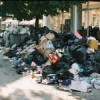
BULGARIA: A Capital That Can’t Handle Its Mess
On several occasions over the past two years, the streets of the Bulgarian capital Sofia have been literally covered with trash. The city of one million is one of the few European capitals without a waste processing system.TRADE-AFRICA: Electricity Producers Get Ready to Power Up
European investment in Africa's electricity markets may soon get the boost it needs, from infrastructure to integration.
ENVIRONMENT: Earth, Inc. Sliding Into Bankruptcy
Build a shrimp farm in Thailand by cutting down mangrove forests and you will net about 8,000 dollars per hectare. Meanwhile, the destruction of the forest and pollution from the farm will result in a loss of ecosystems worth 35,000 dollars/ha per year.ENVIRONMENT-JAPAN: Sealing the Elephant’s Fate With ‘Hanko’
Even as the world awaits a global ban on trade in elephant ivory, activists are fighting hard to stop a new shipment of ivory to Japan and the introduction of tougher domestic controls.SOUTH AFRICA: Cape Floral Kingdom as Vulnerable as It Is Biodiverse
Climate change is threatening the Cape Floral Region, a World Heritage Site in South Africa's Western Cape province, say environmentalists.ICELAND: Change – But How Much? – in the Wake of Elections
There has been a change in the make-up of Iceland's ruling coalition after the recent parliamentary elections, which bodes for a new approach to health, education and farm policy. But how much change is in store regarding the environment, energy production and the Iraq war remains unclear.
Brazilian Agro-Power Heats Up
The Brazilian Ministry of Agriculture is already restricting planting of some farmland in the southern part of the country, the most affected by climate shifts in recent years.Ecobreves – BRAZIL: Expedition to Identify Amazon's Birthplace
Brazilian researchers are in the Peruvian Andes to determine where the Amazon River begins, and to collect local geographical and environmental data.Ecobreves – CENTRAL AMERICA: Financing Micro-Enterprise to Protect Environment
The United Nations Development Program and the Central American Bank for Economic Integration will provide support to the tune of 27.9 million dollars to micro-business in the region that protect the environment.Ecobreves – ARGENTINA: Claims Against Shell for Oil Spill
Eight years after an oil spill along the Rio de la Plata coast, Argentine residents who were affected are demanding that the transnational Shell Oil company clean up the river and pay for damages.Ecobreves – MEXICO: Database for Assessing Water Services
Academics are preparing the first database in Mexico to analyze the performance of public and private suppliers of water services.TRADE-AFRICA: How to Turn The Curse of Oil Into a Blessing
Africa's abundance in natural resources, especially oil, has been called a curse because of the fierce global thirst that exists for these assets.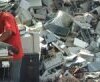
ECONOMY: Castoff E-scrap Holds Hidden Treasure
Valuable resources in every discarded product with a battery or plug - computers, televisions, phones and other household gadgets - are being trashed in rising volumes worldwide, and unless countries start recycling more of this high-tech scrap, they will soon face serious shortages, experts say.ENVIRONMENT-AFRICA: Long Knives Out Over Elephants
Environmentalists are readying themselves for another heated round of debate and horse-trading in the continuing international tussle over the issue of ivory sales.ENVIRONMENT: Learning to Live With the Mekong’s Floods
A Vietnamese academic has developed a small following over the past two years for his views about the waters that inundate the Mekong delta. The seminars he attends ends with participants wanting to know more.
CLIMATE CHANGE: U.N. Braces for New Breed of Refugees
As the international community continues to express fears over the potentially devastating impact of global warming worldwide, there is also growing concern over the steady increase in a new category of displaced persons: environmental refugees.LABOUR: Just Work on the Environment
Employment stability is linked to environment sustainability, experts said at an international trade fair here last weekend.ENVIRONMENT: China – New Promoter of Mega Dams
China is emerging as a new backer of massive dam projects around the globe, giving rise to fears for pristine natural resources and the cultural heritage of river peoples.« Previous Page — Next Page »


Through our global network of local writers, we are continuing our award-winning coverage of global and local environmental challenges, with a focus on the people for whom the ecosphere matters in a direct way: rural dwellers who have little means to protect themselves against adverse conditions; communities that need to switch to sustainable development in order to survive; poor women and children, who are the most vulnerable in natural disasters. Sponsored by the United Nations Environment Program (UNEP), the United Nations Development Program (UNDP) and The World Bank (WB), IPS also maintains the award-winning Tierramérica, a specialised information service on environment and development.

The Week with IPS

Tracking global progress towards a sustainable world


