Languages
Saturday, November 7, 2026



News and Views from the Global South
Featured
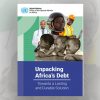
Rethinking Africa’s Debt: Debunking Myths and Identifying Sustainable Solutions
To achieve the Sustainable Development Goals (SDGs) and Agenda 2063 aspirations, Africa requires an additional $1.3 - 1.6 trillion in financing.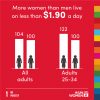
A World Where Rich Get Richer, Poor Get Poorer — and Billionaires Rise
Perhaps one of the UN's most ambitious and longstanding projects – the launching of 17 Sustainable Development Goals (SDGs)-- is aimed, among other things, at helping developing nations eradicate extreme poverty by 2030. But that elusive goal has made little or no significant progress.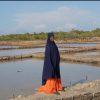
Pemba’s Woman Salt Farmers Forge Livelihoods Amid Climate Woes
As the cool morning breeze sweeps across the Indian Ocean beach in Tanzania’s Pemba archipelago, Salma Mahmoud Ali begins her day. With her brightly coloured Kikoi cinched tightly around her waist and a dark blue scarf framing her face, she walks barefoot toward her salt ponds. The humid air hangs, but Ali wades through ankle-deep water with courage.
Journalists Behind Bars: China, Israel & Myanmar the Worst Offenders in 2024
The year 2024 has been one of the most devastating for journalists covering conflicts worldwide-- with 361 behind bars, the second highest since the global record of 370 imprisoned back in 2023.
Ghana a Contender for BRICS+ Alliance
With heightening geopolitical interest in building a new Global South architecture, Ghana's administration is considering joining the 'partner states category' of BRICS+, an association of five major emerging economies (Brazil, Russia, India, China and South Africa).
UN Claims to Strengthen Battle Against Racism in Workplace—Amid Reservations
As the United Nations plans to commemorate its 80th anniversary later this year, it is “reflecting on the steps taken to advance implementation of the Secretary-General’s Strategic Action Plan for addressing racism in the UN Secretariat. The UN’s Anti-Racism Office, which was created in 2023, has hosted several online events that reached over 13,500 participants and generated 2,000 comments, and welcomed 2,700 visitors to its iSeek page (accessible only by staffers)—possibly a reflection of the rising complaints and concerns of UN staffers.
The Davos Disconnect
"It was the best of times; it was the worst of times." Charles Dickens is more relevant today than ever. The wealthy and powerful are meeting again this year in glamorous Davos, at an invitation-only event. They arrive in chartered aircraft and private jets to speak about our warming climate, among other global concerns.
African Countries Urged to Plug Wealth Loss, Stop Illicit Financial Flows
Africa loses billions of dollars annually through illicit financial flows, resulting in the continent failing to improve the lives of millions of people despite vast mineral wealth, according to experts. Agencies say more needs to be done to turn the continent's natural resources into prosperity at a time governments are struggling to address challenging economic conditions that have spawned high poverty levels.
Armed Drone Attacks on Humanitarian Aid Efforts Put Future at Risk
Humanitarian aid operations in some places may become impossible in the future, experts have warned, as a new report shows a dramatic rise in the use of armed drones in conflict zones.
Laureates Call For Moonshot Innovation Effort to Avert Hunger Catastrophe
Neglected indigenous crops, rich in nutrition and resilient to climate change, are key to tackling global hunger only if governments invest in research and development (R&D) to tap the potential of such innovations. More than 150 Nobel and World Food Prize Laureates are calling for investment in moonshot technologies to realize the potential of innovative solutions such as these hardy crops, warning that without swift action, there is a "food insecure, unstable world.”
How US Media Hide Truths About the Gaza War
A few days before the end of 2024, the independent magazine +972 reported that “Israeli army forces stormed the Kamal Adwan Hospital compound in Beit Lahiya, culminating a nearly week-long siege of the last functioning hospital in northern Gaza.”
Violence Flows in Parts into Mexico from the United States
The case of a man arrested in Texas, in the south of the United States, for shipping arms parts to Mexico immediately caught the attention of authorities in both countries. But it was only one thread in a web that continues to become more and more tangled.
Nature Goes to Court
Nature is taking the stand as courtrooms worldwide become battlegrounds for Earth’s rights. The rise in climate litigation shows how the environment can take centre stage as a plaintiff, demanding justice and accountability, benefiting us all.
Malala: ‘Honest Conversations on Girls’ Education Start by Exposing the Worst Violations’
“She was at her brilliant best, speaking fearlessly and boldly about the treatment of women by the Afghan Taliban, robbing an entire generation of girls their future, and how they want to erase them from society,” said educationist and one of the speakers, Baela Raza Jamil, referring to the speech by Nobel Laureate and education activist Malala Yousafzai.
Unlocking SDG Success: How Better Data Can Develop Africa
That one in three Africans will not be counted as countries failing to meet census deadlines is a huge setback for development planning.
Geopolitical Uncertainties Cloud World Economic Prospects, UN Report Says
In the past few years, the world economy has made significant strides in mitigating inflation, unemployment, and poverty. Despite this, global growth has yet to regain its pace from before the pandemic.
The Challenges Facing the World’s Fifth Largest Economy
India has surged forward as the world's fifth-largest economy and has now surpassed China to claim the title of the most populous nation. However, this rapid ascent is not without its challenges; rising unemployment and inflation loom large, threatening demographic dividend and its ambitious goal of sustaining a 7 to 8% GDP growth.
Developing Countries are Being Choked by Debt: This Could be the Year of Breaking Free
The debt disaster is back. Indeed, the aid agency Cafod reports that developing countries today face “the most acute debt crisis in history”.
India: Protests Erupt Over Hazardous Waste Disposal of Bhopal Gas Tragedy
An eerie calm prevails over Pithampur, a town 250 km (155 miles) away from Bhopal, the capital of the central Indian state of Madhya Pradesh. This town witnessed widespread protests for three days last week following the transportation of large quantities of toxic waste from the site of one of the world's worst industrial disasters in Bhopal.
Colombia’s Historic Child Marriage Ban
Colombia has just marked a historic milestone in the global campaign against child marriage, with the Senate passing one of Latin America and the Caribbean’s most comprehensive bans on child marriage and early unions. In a country where one in five girls under 18 and one in 10 under 14 are married or live in marriage-like conditions, the new law raises the minimum age to 18 with no exceptions, eliminating a 137-year-old Civil Code provision that allowed children over 14 to marry with parental consent. This achievement aligns with goal 5 of the Sustainable Development Goals (SDGs), which has a target of eliminating harmful practices like child marriage by 2030. The new law now awaits the signature of President Gustavo Petro to come into effect.
Erratic Sales and Government Apathy Hurt Telangana Weavers
The southern Indian state of Telangana has always been home to exquisite cotton and silk weaves. But in recent years, lack of market access, expensive inputs, and government apathy have taken their toll on the weaving community. As a result, the younger generation is refraining from pursuing this traditional occupation and opting for more lucrative pursuits.« Previous Page — Next Page »





The Week with IPS

NEXT STOP - SDGs
Tracking global progress towards a sustainable world
Tracking global progress towards a sustainable world
