Languages
Friday, November 13, 2026



News and Views from the Global South
Gender
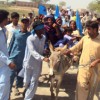
RIGHTS-PAKISTAN: Woman Politician Wins Even by Losing
Earnestness is still on her sunburnt face as she faces throngs of people just days after her defeat. Indeed, even as threats continue to come her way, Mai Jori has not given up on her dreams to help empower the women from her region and vows to contest the forthcoming local bodies’ elections.POLITICS-SUDAN: African Leaders Call for Peaceful Elections
With less than a month to the historic multi-party poll in Africa’s largest country, Sudan, eminent African leaders are calling for a peaceful and calm election process.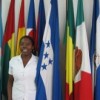
LATIN AMERICA: Still a Long Way to Go for Black Women
At the age of 17, Meybelin Bernárdez is clear about the future: "When I finish my studies, I'll return to help my community get on its feet," the young Garifuna woman from Honduras, who is studying medicine in Cuba, says without hesitation.
ZAMBIA: School Policy for Teen Mothers a Partial Success
Naomi Mulenga is determined to beat the odds by finishing her school education and becoming a nurse – despite being a teenage mother.ECONOMY-SENEGAL: ‘Only The Rich Get Loans’
Despite the financial sector boom in Senegal, small and medium sized businesses (SMBs), which represent over 90 percent of the industrial fabric of the country, struggle to access funding for their development, their representatives claim.HEALTH-US: Maternal Deaths on the Rise
Despite the fact that the United States spends more on maternal health than any other country in the world, deaths in childbirth among U.S. women are on the rise and already surpass the morbidity rates in most developed countries.CLIMATE CHANGE: The U.N.’s Boys’ Club
U.N. Secretary-General Ban Ki-moon's decision to appoint a 19-member, all-male high-level advisory group on Climate Change Financing (CCF) has triggered strong protests from women's groups and non-governmental organisations (NGOs) outraged by the composition of the panel.
Q&A: Tapping Women’s Enterprise to Topple Rural Poverty
Employees at the International Fund for Agricultural Development (IFAD) may have cause to fear for their jobs after Yukiko Omura was appointed vice president of the United Nations' rural poverty agency in February.
POLITICS-RWANDA: Woman Vies for Top Job
On average women constitute 18.8 percent of representatives in parliaments across the world according to the Inter-Parliamentary Union (IPU). This gender imbalance has been subject to much feminist criticism and many campaigns for change have been staged to address the status quo. The situation is however different in Rwanda.
PAKISTAN: In More Ways Than One, Bollywood Dancing Creates Waves
Saleha Firdaus, a mother of two teenage children, has been moving to the Bollywood beat at a dance studio for over a year now and "loves every moment" of this personal time. For her part, 22-year-old Maheen Jafri was a "bedroom dancer" until she discovered a Bollywood and hip-hop dance studio and "shed my inhibitions totally."
JAMAICA: The Other Side of Paradise
It's just before midnight, and the music pulsates through the massive speakers perched under the ceiling, scantily clad girls in their five-inch heels moving closer to the iron poles.RIGHTS-BAHRAIN: Weak Laws Let Rapists Off the Hook
Cunning rapists in Bahrain can avoid victimising virgins so they could escape the maximum penalty provided by law, and those who force themselves on young girls can evade punishment by promising to marry their victims.DEVELOPMENT-KENYA: Rapid Population Growth Threatens Development
Margaret Atieno, a 38-year-old mother of six, says she wanted to avoid her last pregnancy. But consistent stock-outs of contraceptive devices at her health care centre in rural Siaya, western Kenya, gave her no choice but to fall pregnant once again, albeit the fact that she did not want another child.
RIGHTS: Gender Confab Marked by Political Uncertainties
When a two-week meeting on gender empowerment concluded at U.N. headquarters Friday, there were several lingering questions crying out for answers.
POLITICS-NIGERIA: In the Shadows of Men: Women’s Political Marginalisation
Ten years after Nigeria returned to civil rule women still play second fiddle in the male-dominated politics of Africa’s most populous nation, women politicians and activists say.DEVELOPMENT-CAMEROON: Are Women the Magic Bullet for “Electoral Apathy”?
A support network for women's political participation, is challenging head-on what it calls "electoral apathy", after noting a growing trend in electoral abstention.
PHILIPPINES: Reproductive Health Tests Candidates’ Political Guts
Filipino voters who have yet to make up their minds about their choice for their next president are being advised: look at each aspirant’s stance on reproductive health to help them gauge the candidate’s leadership mettle and political guts.IRAQ: Women Miss Saddam
Under Saddam Hussein, women in government got a year's maternity leave; that is now cut to six months. Under the Personal Status Law in force since Jul. 14, 1958, when Iraqis overthrew the British-installed monarchy, Iraqi women had most of the rights that Western women do.EGYPT: Population Growth Overtakes Literacy Rise
Literacy programmes are teaching millions of Egyptians to read, but are struggling to keep up with the country's high population growth.KENYA: Proposed Constitutional Amendment Sets Back Women’s Rights
Lillian Mutuku, a 34-year-old mother of three, describes her home in Katine area, in Kenya’s Eastern province Tala, as a harsh place to live. The soil is poor, she says, the sun beats down mercilessly and vegetation is sparse.SOUTH AFRICA: Gender Loses Out in Basic Education Crisis
With the 15th-year review of the 1995 Beijing World Conference on Women taking place at the ongoing Commission on the Status of Women in New York, South African teachers and education experts say they fear that a special focus on the advancement of girls is getting lost amidst the growing levels of poverty in the country.« Previous Page — Next Page »


Women make up half the world's population, but don't nearly share half of the world's wealth, well-being and opportunity. Two-thirds of the world poor are women, disproportionally exposing women to precarious living conditions, disease and unmitigated natural disasters. The media, meanwhile, remains a male-dominated sector in much of the world, contributing to women's voices lacking a crucial amplifier to put their concerns on political agendas and unleash the development potential of their ingenuity. Rather than then stereotypical victims of local and global forces, women are also organizer, innovators, conservators and community builders. These are some of their stories.

The Week with IPS

NEXT STOP - SDGs
Tracking global progress towards a sustainable world
Tracking global progress towards a sustainable world
