Languages
Friday, October 2, 2026



News and Views from the Global South
Gender

What Daily Life Looks Like for Afghan Women Now
I am an educated Afghan woman and a former government employee. I have long been active in women’s rights struggles, education, and community development. For me, living in Afghanistan is fraught with dangers and difficulties. In a context where women are denied the right to study, work, or participate in public life, my previous roles in government institutions and international organizations, and my advocacy for women's rights, place me at particular risk.
Authorities Urged to Take Lawful Measures to Stop Mass Abductions in Nigeria
On the morning of 17 November 2025, darkness cloaked Maga town in the Danko/Wasagu Local Government Area, Kebbi State, until gunfire shattered the silence. It was around 4 am when armed attackers stormed the Government Girls Comprehensive Secondary School, firing into the air to terrify residents before heading to the staff quarters. There, they killed two, including Hassan Yakubu, the school’s Chief Security Officer and then abducted 26 female students.
COP30 Was Diplomacy in Action as Cooperation Deepens—Says Climate Talks Observer
As observers at the Conference of Parties closely monitored proceedings in Belém, many, such as Yamide Dagnet, approached the UN Climate Summit as an implementation COP. They are advocating for tangible signals to ignite crucial climate action before the climate crisis reaches irreversible levels.
The Rising Threat of Digital Abuse: Women’s Vulnerability in the Age of AI and Online Harassment
As the digital landscape continues to expand and integrate into various aspects of daily life, humanitarian experts have raised concerns about the associated risks, particularly as artificial intelligence (AI), online anonymity, and the absence of effective monitoring frameworks heighten the potential for abuse and harassment. Women and girls are disproportionately affected by digital abuse, facing heightened risks, with nearly half of them worldwide lacking effective legal protections.
Why Food and Agriculture Should Be at the Centre of COP30 Agenda
As the COP30 entered its second week in Brazil, the urgency to tackle climate change has never been greater, as is the appetite to feed a growing world population.
Pan-African Activist Advocates for Climate-Resilient Food, Education Systems at Belém Talks
“I am the founder of the ‘I Lead Climate Action Initiative,’ which is a Pan-African movement that carries out grassroots-based climate action to address the climate crisis in Africa. We advocate for the restoration of Lake Chad, the world’s largest environmental crisis through research and engagement,” says Adenike Titilope Oladosu.
Five Breakthroughs for Women’s Rights Amidst Conflict and Crisis
Even as their rights face growing threats, women across the globe are driving progress. From courtrooms to communities, women’s leadership is shaping peace, justice and development—often against the odds. In the face of conflict, exclusion and inequality, we continue to see powerful stories of hope, resilience and change. We are inspired by women who mediate local disputes, push for new laws and champion the rights of survivors, holding communities together.
You Cannot Make Decisions About Our Lives—A Perspective on Global Climate Change Negotiations
Immaculata Casimero, a leader of the Wapichan Women’s Movement, remembers the beauty of the mountains that are cultural sites to her indigenous community in Guyana.
Forcefully Deported Afghan Women Return to a Life of Fear and Anxiety
When Roya, a former police officer under Afghanistan’s Republic government, left the country with her family, she felt a great sense of relief, having escaped from the horrors of Taliban rule. She never imagined that less than three years later she would be forced back into the same conditions, only worse.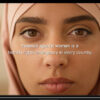
International Day for the Elimination of Violence Against Women, 2025

Violence against women is a human rights emergency in every country. One in three women worldwide experience physical and/or sexual violence in their lifetime.
Arrested for a Greeting: The Price Afghan Women Pay for a Simple Word
The Promotion of Virtue and Prevention of Vice, is the name given by the Taliban to their religious police, tasked with enforcing strict Islamist rule on the people of Afghanistan. But for Afghan women, the name evokes only fear and terror, as they bear the harshest consequences of its actions.
Lawmakers Urged to Consider Emerging Drivers of Child Marriage
Closing the chapter on child marriages is still a distant ambition in the Southern African Development Community (SADC) region, and despite great strides at developing and passing legislation to eradicate it, existing and emerging drivers are still at play, making youngsters vulnerable to the practice.
Humor, Courage, and Coffee: Inside Asia’s Independent Media Resistance
In Pakistan, journalism is a risky profession—and the danger only intensifies if you’re a woman, young, and a freelancer, says 30-year-old Saba Chaudhry, a journalist from a village near Narowal, in Punjab province.
Asia-Arab Parliamentarians Forge Regional Pathways for Gender Justice and Youth Empowerment
Inclusive legislation, empowered youth, and anti-violence policies are inseparable aspects of sustainable development and were the key messages at a conference of the Inter-Regional Meeting of Asian and Arab Parliamentarians on Population and Development held in Cairo on October 24, 2025.
From Slogans to Systems: Five Practical Steps for Turning Social Development Commitments into Action at Doha and Beyond
Thirty years ago, world leaders gathered in Copenhagen and made a promise: people would be at the center of development. This November, Heads of State and Government will meet again in Doha, Qatar, for the Second World Summit for Social Development or WSSD2.
Children’s Education Must Be Put At The Forefront of Climate Discussions At COP30
In 2024, the climate crisis has disrupted schooling for millions of students worldwide, weakening workforces and hindering social development on a massive scale. With extreme weather patterns preventing students from accessing a safe, and effective learning environment, the United Nations (UN) and the Geneva Global Hub for Education in Emergencies (EiE Hub) continue to urge the international community to assist the most climate-sensitive areas in building resilient education systems that empower both students and educators.
Tanzania’s Pandemic Fund Ushers in a New Era of Health Preparedness
When COVID-19 hit Tanzania in 2020, Alfred Kisena’s life was torn apart. The 51-year-old teacher still remembers the night he learned that his wife, Maria, had succumbed to the virus at a hospital in Dar es Salaam. He wasn’t allowed to see her in her final moments.
Tackling the Hidden Toll of Breast Cancer in the Pacific Islands
The burden of breast cancer, the most common cancer among women, is global, and the projected increase in cases in the coming decades will affect women in high- and low-income countries in every region.
In Zimbabwe, Secondhand Clothes From the West Are Collapsing the Local Textile Industry
Shamiso Marambanyika assists a male customer in selecting a pair of jeans on a Saturday morning in Mutare, a city in the eastern part of Zimbabwe.
When Taliban Shut Down the Internet, Women Lost their Lifeline to Aid, Education & Each Other
When the Taliban recently cut off the Internet and phone networks across Afghanistan, millions of women and girls were silenced. For those with connectivity, the blackout severed their last link to the outside world – a fragile connection that had kept education, work, and hope alive.
Women’s Leadership at the Heart of Disaster Risk Reduction
Climate and environmental challenges are hitting harder and more often, reshaping people’s lives around the world. While disasters touch everyone, their impacts are not felt equally. The most marginalized, especially women and girls, are too often the first to suffer and the last to recover.« Previous Page — Next Page »


Women make up half the world's population, but don't nearly share half of the world's wealth, well-being and opportunity. Two-thirds of the world poor are women, disproportionally exposing women to precarious living conditions, disease and unmitigated natural disasters. The media, meanwhile, remains a male-dominated sector in much of the world, contributing to women's voices lacking a crucial amplifier to put their concerns on political agendas and unleash the development potential of their ingenuity. Rather than then stereotypical victims of local and global forces, women are also organizer, innovators, conservators and community builders. These are some of their stories.

The Week with IPS

NEXT STOP - SDGs
Tracking global progress towards a sustainable world
Tracking global progress towards a sustainable world
