Languages
Friday, November 27, 2026



News and Views from the Global South
Global Governance
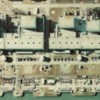
JAPAN: Food and Gasoline Shortages Plague Nuclear Exclusion Zone
For the past three days Hiroko Oogusa, 62 - following orders from the local authorities - has remained in her tightly shuttered home located 40 kilometres from the badly damaged Daiichi nuclear power plant in Fukushima.Japan’s Nuclear Nightmare Triggers Fears in France
Until the nuclear crisis started unfolding in Japan last week, most French citizens did not doubt that the country's 58 nuclear reactors were safe enough to continue operating for scores of years to come.Military Intervention in Libya May Already Be Irrelevant
As the White House and its partners in the international community inch closer to a decision over military action in Libya, while Muammar Gaddafi's forces advance steadily into rebel-controlled territory, some analysts argue that the intervention debate is nearing irrelevance after raging unabated for almost a month.
BANGLADESH-LIBYA: Garment Industry Pledges to Employ Evacuated Labourers
Bangladesh's garment factories and overseas recruiting agencies have pledged to employ a substantial number of Bangladeshi expatriates returning from politically volatile Libya, following the violent crackdown on opposition forces by Muammar Gaddafi's regime there.
ARGENTINA: Rural Slavery at Time of Record Earnings
Crowded into precarious mud-floored dorms or sheet-metal trailers or forced to live in tents of plastic sheeting, with neither piped water nor electricity, after working 14-hour days: these are the harsh conditions faced by hundreds of thousands of rural workers in Argentina despite bumper crops and record earnings for agribusiness.Japan Races to Cool Stricken Reactors
Workers battling to contain the crisis at Japan's quake- stricken Fukushima nuclear plant were briefly moved to a bunker because of a rise in radiation levels, local media have reported.Agricultural Policy Is Gender Policy
Eva, a Ghanian woman, was given five pigs and some training on how best to care for them. Eventually, her farm grew to 400 pigs and she was able to buy more land and a motorbike which she not only used for transporting her goods to market but for helping neighbours get to town and to hospital quicker.
Aid Agencies Rush to Japan’s Humanitarian Front
Day five of Japan's post-earthquake, post-tsunami life dawned dismally Tuesday, with soaring radiation levels from the Fukushima Daiichi power plants and a relentlessly rising death toll in the four worst-affected prefectures.BAHRAIN: Saudi Intervention Likely to Bring Regional Blowback
Saudi Arabia's incursion into neighbouring Bahrain is a risky move that could further inflame domestic unrest in both countries and give a propaganda boost to Tehran's campaign to cultivate the Arab street.
AFRICA: Responsible Travel Means Not “Haggling Over Wooden Beads”
Tourism as a concern found its way onto the agenda of the 1992 Earth Summit in Rio de Janeiro because of its potential for development but also due to its adverse effects on some populations and natural resources, particularly in Africa.
U.S. Nuke Plant Safety Questioned in Wake of Japanese Disaster
As Japan continues to battle the threat of nuclear meltdown in the wake of Friday's devastating earthquake, lawmakers, environmental activists and the nuclear industry in the United States are squaring up for a heated contest over the future of atomic energy in this country.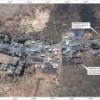
LIBYA: Satellite Technology to Help the Displaced
Analysis based on satellite images and maps is helping to identify the flows of people fleeing the political violence in Libya to neighbouring countries.Sri Lanka: NGOs Face Funding Gap and Government Scrutiny
Lack of donor funding, state phobia against western NGOs, and restrictive work permits for foreign aid workers have together hit the operations of several dozen Sri Lankan NGOs and their foreign counterparts.LIBYA: Time for Intervention Running Out
With Libyan government forces advancing towards the rebel capital of Benghazi, the time for possible military intervention by the U.S. and its NATO or other allies appears to be running short.India, Wary of China and Pakistan, Boosts Arms Stockpiles
As it projects its political and economic power in Asia - and vigorously pushes its longstanding claims for a permanent seat in the United Nations Security Council - India is also steadily strengthening its military might in the sprawling continent.Japan Atomic Woes Trigger Policy Review in Germany
The unfolding nuclear catastrophe in Japan, triggered by last Friday's massive earthquake and tsunami, followed by a chain of explosions in atomic power plants, has forced the German government to rethink its own nuclear energy policy.Japan Bracing For Nuclear Meltdown
Desperate efforts by the government to avoid the looming nightmare of a nuclear meltdown in tsunami damaged Fukushima Daiichi nuclear plants, 240 kilometres north of Tokyo, have brought no relief to the public who face the possibility of another explosion that could spew deadly radiation across the country.INDIA: Japan Quake Focuses Anti-Nuclear Message
Anti-nuclear campaigners in India see the earthquake that hit Japan last week, which threatens the meltdown of the Fukushima atomic power facility there, as a wakeup call for this country’s ambitious nuclear power programme.Second Blast at Japan Nuclear Plant
A second explosion has rocked Japan's stricken Fukushima Daiichi nuclear power complex, sending a plume of smoke into the air and touching off fresh concerns of a radioactive leak in the quake and tsunami-hit country.
Q&A: Needing Surgery Shouldn’t Be a Death Sentence
Surgery saves the lives of millions of people around the world, but only a tiny percentage of them live in low- and middle-income countries (LMICs), where a shortage of skills, supplies and infrastructure can turn easily treatable accidents and illnesses into lifelong disabilities and even death.JAPAN: Anti-Nuclear Groups Sound New Warning
Heightened tension on Saturday after a blast at a nuclear facility in Fukushima, 150 kilometres north of Tokyo, eased off after the government reported that the danger had been overstated.« Previous Page — Next Page »


The Week with IPS

NEXT STOP - SDGs
Tracking global progress towards a sustainable world
