
Sunday, October 25, 2026



News and Views from the Global South
IPS UN: Inside the Glasshouse
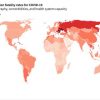
Predicting COVID-19 Infection Fatality Rates Around the World
The world saw more new confirmed COVID-19 cases last week than any week to date. And as the pandemic grows, its epicenter is moving from advanced economies to more developing countries, including Brazil, India, and South Africa.
A Single Seven Year Term for the UN Secretary General?
Many UN supporters expressed disappointment that Secretary General Antonio Guterres said almost nothing, until last week, about police violence against African-Americans in the United States, or about the massive protest movement that has erupted and the repressive response to the protests by US authorities and police forces.
Q&A: Global Poverty Expected to Move to Middle Income Developing Nations in Asia
Global poverty, which is increasing because of the economic impact of the coronavirus crisis and ensuing worldwide lockdowns, is shifting and a dramatic increase in middle-income developing countries in Asia is expected.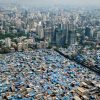
How Cities Can Turn COVID-19 Crisis into an Opportunity to Build Better
From shocking death tolls to widespread job losses, there is no understating the severity of the COVID-19 pandemic’s impact on the world’s cities. Health care systems, economies, and social lives have been upended by a virus for which the world was totally unprepared.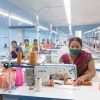
COVID-19 & its Impact on Textile & Garment Supply Chains in Developing Nations
In the first quarter of 2020, the coronavirus pandemic led to a 3% drop in global trade values. COVID-19 could trigger the biggest economic contraction since World War II, affecting all industries from finance to hospitality.
The Sahel – ‘in Every Sense of the Word a Crisis’
The combination of rife insecurity, food insecurity and more than 7.5 million people in need of humanitarian assistance has left the Sahel a region in crisis, with the global coronavirus pandemic expected to exacerbate the situation.
The Need, Within the UN, for an Honest Conversation on Racism
I want to once again express to all colleagues my enormous appreciation, my enormous gratitude, for your fantastic professionalism, your flexibility and the way you have been able to fully deliver for the people we care for during this period.
UN Chiefs Silenced by Big Powers with Vetoes
The massive protests in more than 120 US cities over racial injustice and police brutality went global last week-- amidst presidential threats of military force on demonstrators in Washington DC.
Press Freedom Under COVID-19 Lockdown in Asia
Governments have made the media “a scapegoat” across Asia, targeting journalists who are simply reporting on the failures or shortcomings of their leadership during the coronavirus pandemic, press freedom experts have warned.
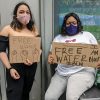
George Floyd: US’ Week of Broken Glass and Broken Dreams
The United States has been a story of broken dreams and broken glass this past week. Once again, an unarmed black man died at the hands of a white police officer, with George Floyd being pinned to the ground under a lawman’s knee in Minneapolis, Minnesota, as stunned passersby made cell-phone videos of the incident to post on social media.
World Comes Together with $1.35 billion for Yemen
World leaders gathered on Tuesday to pledge $1.35 billion in aid for Yemen, which currently undergoing what many is the world’s “worst humanitarian crisis”, with Saudi Arabia announcing a contribution of $500 million.
COVID-19 – UN Urges World Leaders to Act Now to Avert ‘Unimaginable Devastation’
Unless global leaders act now, the COVID-19 pandemic will cause unimaginable suffering and devastation around the world, the Secretary-General of the United Nations António Guterres said yesterday, May 28. He painted a picture of hunger and famine at historic proportions, with some 60 million people pushed into extreme poverty and half the global workforce -- 1.6 billion people -- left without work, and $8.5 trillion in global output lost.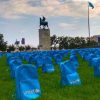
An Appeal to UN’s Budget Committee: It’s no Time to Cut Back on Child Protection
On February 26 this year, 15 South Sudanese children were released from armed groups and handed over to civilian child protection actors, including UNICEF and UNMISS, UN’s peacekeeping operation in South Sudan, who were able to facilitate the children’s safe return to their families.
Memo from a Multi-Millionaire: Covid-19 Proves Business Case for Taxing the Rich
For the past few decades, many big corporations and very wealthy individuals have operated according to the myth that they are “self-made”, that their success owed nothing to anyone else.
UN@75 & the Future We Want
Crises make us think smaller. When everything is uncertain, we turn inward: to our families, our communities, the immediate needs around us. We focus on the essential and the immediate; we survive.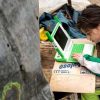
Are the SDGs in Reverse Gear?
When I was a little girl, my mother told us the story of a woman who escaped from a monster by cooking stones: when the monster fell asleep waiting for his dinner, the woman ran for her life.
Biological Diversity is Fundamental to Human Health
 This year’s International Day of Biological Diversity falls amid the coronavirus pandemic and the slow easing, in some nations, of a global lockdown. While the lockdown has forced most people to stay at home, there have been reports of more wildlife being spotted - even in once-busy city centres.

COVID-19 – China Tells World Health Assembly They Did their Best
This week’s 73rd World Health Assembly had member states adopt a resolution to review the global response to the coronavirus pandemic. The World Health Organisation (WHO) will also undergo an evaluation for its response to the outbreak.
Will UN Chief & Senior Management Volunteer Pay Cuts in Crisis-Stricken World Body?
As a spiraling financial crisis threatens to undermine the UN’s day-to-day operations worldwide, a proposal being kicked around, outside the empty corridors of the UN, has triggered the question: will senior officials, including the Secretary-General, the Deputy Secretary-General (DSG), Under-Secretaries-Generals (USGs), including 60 heads of UN agencies, Funds and Programs, and Assistant Secretaries-Generals (ASGs), volunteer to take salary cuts— even as a symbolic gesture?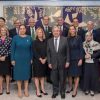
South Africa Must Respond – & Lead– on COVID-19 & SDGs
Sitting on the southern tip of Africa during a time of social distancing, while the entire planet fights Covid-19, we cannot help but reflect on how vulnerable our country is to this scourge.
Beyond Trump— US, UN & Global Health Governance
US President Donald Trump’s battle with the World Health Organization (WHO) hides two important issues. One, the long running love-hate relationship between the US and the UN, and two, a better understanding of how global public health is governed and in the overall context of global governance.« Previous Page — Next Page »





It was dubbed "The Glass House" by U.S. ambassador James Wadsworth in 1966. Half a century later, the United Nations has gradually expanded its role as agent of peace and protector of the world's vulnerable populations, while simultaneously facing internal pressures to become more inclusive, increase transparency and maintain legitimacy in the post-Cold War political and economic order. Highlighting the local impacts of global policies on economic development, environment, health and human rights, IPS's coverage goes beyond the edicts of the Security Council to illuminate the power struggles, successes and shortcomings of the 193-member institution as it grapples with crises like climate change, armed conflict, poverty and HIV/AIDS.

The Week with IPS
