Languages
Thursday, November 12, 2026



News and Views from the Global South
Headlines

Global Arms Industry Thrives Amid Worldwide Pandemic Devastation
The 21-month long pandemic, which began with the outbreak of the deadly corona virus back in March 2020, ravaged hundreds and thousands of businesses and industries resulting either in widespread losses, closures or bankruptcies.
Zero-Leprosy in Pandemic: Experts, Advocates Discuss New Strategies
As 2021 nears its end, public health systems worldwide remain severely strained by COVID 19, which is showing no sign of ending. But even as countries battle to control the deadly pandemic, they must also maintain the progress made against other diseases, including leprosy, global leprosy experts and advocates have urged.
Social Distance, Science and Fantasy
In these times of COVID isolation, social distance get on the nerves of several of us and the effects may be long-lasting, even endemic. Many schoolchildren have interacted and still meet with their teachers through computer networks, while the same phenomenon applies to their contact with others. Technical devices are with an ever-increasing scope becoming an integral part of all communication, teaching, and entertainment, in short – of social interaction. When it comes to education, given all the poor and even harmful educators we are forced to encounter during our lifetime, mechanization of education might be perceived as a step forward. Nevertheless, too much dependence on the internet might undoubtedly have its pitfalls; contributing to an abstraction of our existence where real adventures and life-changing encounters with other human beings become all the rarer. The world may be demystified, losing its wonder and magic.
Act to Save Children Living Precarious Lives in Cameroon’s Forgotten and Neglected Conflict
Education is under attack in Cameroon. As one of the most complex humanitarian crises in the world unfolds, Education Cannot Wait’s director Yasmine Sherif and the Secretary-General of the Norwegian Refugee Council, Jan Egeland, say the children are pawns for grown men in a political conflict.
Partnering with Persons with Disabilities Toward an Inclusive, Accessible and Sustainable Post-COVID-19 World
As the world observes the International Day of Persons with Disabilities today, we honour the leadership of persons with disabilities and their tireless efforts to build a more inclusive, accessible and sustainable world. At the same time, we resolve to work harder to ensure a society that is open and accommodating of all.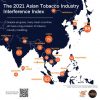
Big Tobacco Industry Rides COVID-19 Pandemic as Countries Grapple for a Response
Almost two years into the COVID-19 pandemic, many countries in the developing world continue to grapple with basic issues such as securing sufficient vaccines and providing essential medical care for their sick. Many economies are in recovery mode as governments scramble to resuscitate them with recovery packages and build back better plans.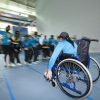
Building a Disability-Friendly Workplace: Why Includability Matters
In her famous speech ‘The Danger of a Single Story’, Nigerian writer Chimamanda Ngozi Adichie warns us against a singular narrative of a person—a stereotype. This, Adichie asserts, is not because stereotypes are untrue, but because they are incomplete—“They make one story become the only story.” This is true in all walks of life, including in our interactions with people with disabilities at workplaces.
Clean Energy Alone Won’t Uplift Impoverished Nations — We Must Invest in People
Last month, at the COP 26 climate conference in Glasgow, a consortium of philanthropies, led by The Rockefeller Foundation, announced a massive program to fund renewable electricity projects for impoverished people in developing countries.
Volunteerism: Central to the Creation of a New Social Contract
The International Volunteer Day, on December 5, is not just one of the many internationally observed days that the United Nations commemorates annually.
African Network Fosters Unity, Fights Gender Discrimination & Advances Sustainable Development
The widespread 21-month-old lockdown, triggered by the corona virus pandemic, had a destructive impact on the global economy, claimed over 5.2 million lives, destabilized governments and radically changed lifestyles worldwide.
What Will it Take to Turn Farmers Toward Climate-Resilient Superfood Millet?
Millet could be Africa’s silver bullet for combating anaemia – and apart from health benefits, it is climate-resilient.
Call It ‘Old’, ‘Contemporary’, ‘Modern’ or Whatever: It Is Slavery
No matter what it is called -- it is the abhorrent daily life of a billion enslaved humans. The real number of “modern” slaves is understandably unknown. The International Labour Organisation (ILO) estimates that more than 40 million people worldwide are victims of modern slavery.
Global Solutions Needed for Pandemics, So All Can Live in Dignity
COVID-19 highlighted significant gaps in the world’s ability to deal with pandemics, and it’s crucial these are addressed to mitigate the impacts of future global health problems, Masato Kanda, Japan’s Vice Minister of Finance for International Affairs, told a recent online meeting of parliamentarians.
Inequality is Set to Kill Millions – “We Have to Fight it Together.”
This week I called out to the world to warn them that inequalities are making us all unsafe. I noted starkly our new analysis that we face millions of additional AIDS deaths – 7.7 million in the next decade alone – as well continued devastation from pandemics, unless leaders address the inequalities which drive them. We have to treat this threat as an emergency, as a red alert.
How Inequality Drives HIV in Adolescent Girls and Young Women
Despite the advances that have been made against HIV, the world has 37 million people living with HIV. And 680,000 people died from AIDS-related causes in 2020. While the prevention of mother to child transmission, and provision of treatment as prevention, are great successes, there are still gaps. Over 1.5 million new HIV infections were recorded in 2020.
Fighting Loss of the Greater Mekong’s Prized Rosewood Forests
The famed Rosewood forests of the Greater Mekong region in Southeast Asia produce dark, richly grained timbers zealously sought after worldwide by manufacturers of luxury furniture, flooring and musical instruments, among other products. But their high value has also made them a major commodity in transnational organized crime.
How to Tackle the Femicide Epidemic
Since the start of the Covid-19 pandemic, the increase in domestic violence rates has led the United Nations to declare a ‘shadow pandemic’ of gender-based violence. In the most brutal cases, the violence has led to murder – or ‘femicide’, as the World Health Organisation calls the killing of women specifically because of their gender.
Profiting from the Carbon Offset Distraction
Carbon offset markets allow the rich to emit as financial intermediaries profit. By fostering the fiction that others can be paid to cut greenhouse gases (GHGs) instead, it undermines efforts to do so.
High Global Fertiliser Prices Overshadow Malawi’s Farm Subsidy Programme
Ellena Joseph, a small-scale maize farmer in Chiradzulu District in Southern Malawi, finished preparing her field early in October.
Pakistan: Gender-Intentional Policy Can Make Agent Banking Work Better
Many women in Pakistan remain financially excluded. In 2020, only 7% of the female population had a formal account. One of the reasons for this is that agent networks — the bridge between the cash economy and digital financial services — remain largely inaccessible to many women. Approaching policy and regulation through a gender-intentional lens that considers prevailing social norms can help regulators affect positive change in this arena.
UNESCO Member States Adopt Recommended Ethics for AI
The member states of the United Nations Educational, Scientific and Cultural Organization (UNESCO) have agreed on a text of recommended ethics for artificial intelligence (AI) that states can apply on a “voluntary” basis.« Previous Page — Next Page »


