Languages
Monday, November 16, 2026



News and Views from the Global South
Headlines

The Global Economic Reset—Promoting a More Inclusive Recovery
The COVID-19 crisis is inflicting the most pain on those who are already most vulnerable. This calamity could lead to a significant rise in income inequality. And it could jeopardize development gains, from educational attainment to poverty reduction. New estimates suggest that up to 100 million people worldwide could be pushed into extreme poverty, erasing all gains made in poverty reduction in the past three years.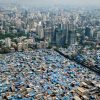
How Cities Can Turn COVID-19 Crisis into an Opportunity to Build Better
From shocking death tolls to widespread job losses, there is no understating the severity of the COVID-19 pandemic’s impact on the world’s cities. Health care systems, economies, and social lives have been upended by a virus for which the world was totally unprepared.
Strengthening Economic Institutions for a Resilient Recovery
Exceptional times call for exceptional action. In response to COVID-19, the IMF has moved with unprecedented speed and magnitude of financial assistance to help countries protect lives and livelihoods. Economic stabilization and a sustainable recovery, however, will require more than financial assistance. For recovery to be sustainable, policymakers will need to strengthen economic institutions that enable resilient, inclusive policies.
Covid-19 has increased children’s exposure to traffickers
With Covid-19 bringing economic activities across nations to a halt, more and more people are being pushed into poverty. Job losses, business losses and farming losses, leading to economic stress, are pushing many to the fringes of poverty. And as families are being rendered helpless, the worst sufferers are invariably the children.
Malawi’s COVID-19 Cash Transfer Almost Ready But Election Fever may Prevent Lockdown
Malawi remains one of the few nations in the world that has not gone into a coronavirus lockdown as the government rushes to meet the conditions of a court order to implement a cash transfer scheme for the poor before doing so. But as some parts of the world are slowing coming out of their lockdowns, it could be likely this southern African nation won’t go into one as the rerun of the country’s presidential election nears.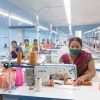
COVID-19 & its Impact on Textile & Garment Supply Chains in Developing Nations
In the first quarter of 2020, the coronavirus pandemic led to a 3% drop in global trade values. COVID-19 could trigger the biggest economic contraction since World War II, affecting all industries from finance to hospitality.
Unsung Heroines: Who Cares for the Carers?
Even before Covid-19, the world was facing a care crisis. The plight of often neglected, under-appreciated, under-protected and poorly equipped ‘frontline’ health personnel working to contain the pandemic has drawn attention to the tip of the care crisis iceberg.
Solar Power Fills Gaps in Underserviced Rural Argentina
Rice farmers in the Argentine province of Entre Rios often look like mechanics. "They're always full of grease, because they haul diesel fuel around all the time, for their water pumps," says local farmer Arturo Deymonnaz. He, however, doesn't have that problem, because he uses solar energy to grow his rice.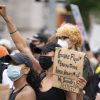
World Protests Show Rising Outrage and Mounting Discontent
After a period of forced silence because of the Covid-19 quarantines, citizens around the world are defying coronavirus restrictions and claiming the streets to fight for real democracy, jobs, living wages, public services, human rights and against corruption, inequality and injustice. We predict an increasing wave of protests all over the world led by different types of people defying the status quo. Unless policies change, clashes in the street are likely to become the new normal.
The Sahel – ‘in Every Sense of the Word a Crisis’
The combination of rife insecurity, food insecurity and more than 7.5 million people in need of humanitarian assistance has left the Sahel a region in crisis, with the global coronavirus pandemic expected to exacerbate the situation.
‘Universal Challenges’ Expose Layers of Inequalities
The effects of the COVID-19 pandemic have reminded us that ‘universal challenges’ are experienced differently, based on context. The varying demographics, systems, and administrative structures in each nation have resulted in distinctive experiences and challenges while grappling with the fallout from the crisis.
Eliminating Age Discrimination from Lockdown Curfews
During the Covid-19 pandemic governments around the world have introduced curfews as an exceptional, yet necessary, means of containing the spread of the virus. Yet while most countries have applied their curfews uniformly to all citizens, authorities across several regions have introduced them only for certain groups exclusively because of their age, including for under-18s.
The Need, Within the UN, for an Honest Conversation on Racism
I want to once again express to all colleagues my enormous appreciation, my enormous gratitude, for your fantastic professionalism, your flexibility and the way you have been able to fully deliver for the people we care for during this period.
Global Solidarity & Effective Cooperation in the Face of COVID-19
The COVID-19 pandemic upended almost every aspects of life as we know it. Even those countries that are supposed to have the means to manage the spread and mitigate the effects are struggling.
UN Chiefs Silenced by Big Powers with Vetoes
The massive protests in more than 120 US cities over racial injustice and police brutality went global last week-- amidst presidential threats of military force on demonstrators in Washington DC.
Economic Ghosts Block Post-Lockdown Recovery
As governments the world over struggle to revive their economies after the debilitating lockdowns they imposed following their failure to undertake adequate precautionary containment measures to curb Covid-19 contagion, neoliberal naysayers are already warning against needed deficit financing for relief and recovery.
We Need to Slow down and Reconnect with Our Ocean for the Future of the Planet
 COVID19 has brought the world to a halt. The devastating impact of the global pandemic on people’s lives and the world’s economy is a jarring and historic turning point for all of us but it is also an opportunity to re-think many of our practices.

2nd World Food Safety Day
Few things are as natural and as necessary as eating food. However, if food producers, food processors, food handlers and consumers do not follow good food safety practices, food can become contaminated and rather than nourishing us and bringing us pleasure it can make us sick or even kill us.
How a Global Ocean Treaty Could Protect Biodiversity in the High Seas
Oceans cover 70 per cent of the Earth’s surface. But, because many of us spend most of our lives on land, the 362 million square kilometres of blue out there aren’t always top of mind.
COVID 19 – Conspiracy or Apocalypse? – Part II
As the COVID-19 virus spread rapidly around the globe, so did various theories about what caused the pandemic. According to the standard scientific theory, the virus originated in bats; crossed over to humans, probably via another intermediate host; and then spread rapidly across the globe.
Zimbabwe and US Diplomacy – this Time the Fight is About George Floyd
“As tall as he is, if he continues to do that I will kick him out of the country,” thundered Zimbabwe’s former President Robert Mugabe in 2008, his anger aimed at the then United States ambassador James McGee after the diplomat questioned the results of Zimbabwe’s 2008 general elections.« Previous Page — Next Page »


