Languages
Sunday, November 22, 2026



News and Views from the Global South
Africa
ZAMBIA: “Privatisation Like Grabbing Goods Fallen from a Truck”
Zambia has sold more than 262 state-owned enterprises in the past 18 years, with the latest being the beleaguered telecommunications company Zamtel.‘Mediterranean Intifada’ Helping Hamas
Israel's deadly assault on a Gaza-bound aid flotilla last month has led to mounting international pressure to end the ongoing Israeli and Egyptian blockade of the Gaza Strip. The incident, say local analysts, has also served to bolster the position of Palestinian resistance group Hamas, which has governed the strip since 2007.
SWAZILAND: Women MPs Limited by the Patriarchal System
Minah Ndzinisa spends every day selling fruit and vegetables at the outdoor Mbabane Market, braving the rain, wind and cold for almost 20 years. "I was in the same cold even in the 1990s when we used to have only one woman Member of Parliament."MOZAMBIQUE: Women at Forefront of Resisting Climate Change
The Mozambican government has adopted various policies to address the effects of climate change, with special attention to women as studies show that they are more adversely affected by this phenomenon.ZAMBIA: Parents’ Fears Slowing Uptake of Paediatric AIDS Treatment
Diana Banda* is quickly running out of excuses to give her six-year-old son about why he has to take a schedule of drugs every day.
ETHIOPIA: Unique Community Leads on Gender Equality
Married at just 13 years of age, Fantaye Adem wishes her life had been different.Egypt Practices for Bigger Rigging
Egypt's recently concluded Shura Council elections were accompanied by widespread reports of serious electoral breaches by the ruling party. According to analysts and opposition figures, such voting "irregularities" bode poorly for upcoming parliamentary and presidential elections.WEST AFRICA: New Cocoa Agreement Is a Sweet One, Producers Say
The new international cocoa agreement will provide a positive shake-up in the cocoa market and ensure better prices for stakeholders, including small farmers.MADAGASCAR: Calls for Equality to be Written into New Constitution
Madagascan female activists are asking that the right of women to participate directly in politics be included in a new draft of the country’s Constitution, so that there can be 30 percent of female politicians in parliament by 2012 and 50 percent by 2015.
RIGHTS: Poor Foreigners Working Like “Modern Slaves” in Mauritius
Workers from Bangladesh have helped Mauritius to achieve the economic success and world market share that the Indian Ocean island state boasts about. But many live and work in conditions described as akin to "modern slavery", apart from facing discrimination, the denial of labour rights and even violence.
UGANDA: Getting the Common Market to Benefit the Common Woman
July 1 marked the moment when the East African Community common market protocol kicked into operation. But Ugandan women face several obstacles before they will benefit from the boost that the protocol gives to the free movement of goods, labour and capital.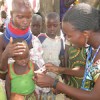
KENYA: Tradition an Obstacle to Maternal Health
Their kangas and heavy bead necklaces are the only colour in an arid landscape. The weary women waiting outside the Kangatotha dispensary have walked up to 50 kilometres to receive food aid; now they will walk home carrying their share.ANGOLA: Drilling Ever Deeper, Hoping for the Best
While BP struggles to contain an oil spill that U.S. government estimates indicate is now the largest ever in the Gulf of Mexico, questions are being asked about how well prepared Africa's oil-producing countries are for a similar incident.UGANDA: HIV-positive Teens Infecting Other Teens
HIV-positive Phiona* (19) had unprotected sex with her best friend and she prays that she did not infect him with the virus. She knew she should not have let it happen but Phiona was too scared to tell him her status, and the teenagers did not have access to condoms.HEALTH-KENYA: Agency Unaware of Anti-Counterfeit Law Suspension
The agency tasked with implementing the Anti-Counterfeit Act of 2008 in Kenya is unaware of the Constitutional Court’s suspension of the law’s application to medicines. Moreover, a large multinational pharmaceutical company has offered to assist the agency in implementing the law with regards to medicines despite the court decision.Liberia Gets Debt Relief, DR Congo on Hold
Liberian efforts to enact economic and governance reforms came to a head Tuesday as the World Bank and International Monetary Fund announced they were supporting 4.6 billion dollars of debt relief for the West African country.TRADE: UNCTAD “Forgets” Real Risks Faced by African Farmers
The latest UNCTAD report on science and technology repeats previous calls for a "green revolution" in African agriculture but contains no mention of the real and present dangers that the international trade and financial framework presents to African farmers.ZAMBIA: Need to Mainstream Gender Equality into all Policies
Despite the adoption almost a decade ago of a national gender policy that aims to ensure fair participation of men and women in the development process, most of the Zambian government’s policies still remain gender blind, say civil society and women's rights associations.SPAIN: Women Entrepreneurs Pledge Support for African Counterparts
Senegalese businesswoman Marie Thiaré makes her business cards by hand, because she has no way to have them printed -- a sharp contrast with the situation faced by women entrepreneurs in Europe, where it is easy to order business cards, and most people even have their own home computer and printer.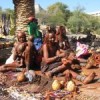
TRADE-SOUTHERN AFRICA: The End of EPA Acrimony May Be in Sight
Southern African trade ministers have pledged to sign a significantly scaled down economic partnership agreement (EPA) with the European Union (EU) before the end of 2010. Could this be the conclusion to years of divisive negotiations?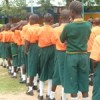
UGANDA: Too Young to Know, Yet Too Young to Die
Thirteen-year-old Jacinta Okello and her fellow primary school classmates call it "doing bad manners". But when you ask her what she knows about sex, she breaks into a shy smile, looks to her feet and giggles.« Previous Page — Next Page » *#*

The Week with IPS

NEXT STOP - SDGs
Tracking global progress towards a sustainable world
Tracking global progress towards a sustainable world
