Languages
Thursday, November 12, 2026



News and Views from the Global South
Armed Conflicts

Q&A: Why ‘Rape Victims Must Talk About Their Trauma’
Rape is often perceived as an individual trauma, but in reality its impact extends far beyond a single person and instead affects entire communities, complicating the already challenging task of helping victims of sexual violence.
Hunger Strikes Put Guantanamo Back in the Spotlight
Public debate here over the military prison at Guantanamo Bay heated up again following Monday’s surprise publication of a highly charged article by an inmate at the prison, one of dozens currently engaged in a months-long hunger strike over detainees’ “indefinite detention”.Bipartisan Task Force on Torture Calls for U.S. Redemption
Former U.S. Republican Congressman Asa Hutchinson hopes his country can redeem itself after torturing an unknown but certainly large number of detainees.
As West Falters, Arms Spending Rises in Developing World
The spreading economic crisis is taking a bite out of Western military spending - even as the world's developing nations, along with Russia and China, boosted their arms expenditures last year.
Tents Take on Settlements
Tent cities are being set up by Palestinians all over the West Bank to protest against Israeli settlements, building on a protest during the visit of U.S. President Barack Obama last month.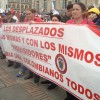
Agriculture Still the Cinderella of Colombia
Wearing a dusty hat and a smile that lights up his face, the septuagenarian José Alicapa does not shrink from the overwhelming bustle of the Colombian capital, which he reached after a 13-hour bus drive from the western province in Caldas.
South Africa Deployment to DR Congo Opposed
Kholekile Dlamini has been devastated by the death of her son Xolani Dlamini, a South African National Defence Force soldier who died in the Central African Republic. Like many South Africans, she had not even been aware of the SANDF deployment to the resource-rich nation.
Urgent Need for Political Reform in Mali as French Depart: Report
With France withdrawing troops after chasing Al-Qaeda in the Islamic Maghreb (AQIM) from towns in northern Mali, the central government in Bamako should urgently launch a serious process of national reconciliation, particularly with the Tuareg and Arab minorities, according to a new report by the International Crisis Group (ICG) released Thursday.
Arms Trade Treaty May Take Years to Be Legally Binding
When the 193-member General Assembly voted overwhelmingly for a long outstanding Arms Trade Treaty (ATT) last week, there was a lingering question left unanswered: how long will it take to reach the 50 ratifications necessary for the treaty to be legally binding?Syria Air Strikes ‘Target Civilians’
Air strikes have hit bakeries and hospitals among other civilian targets in Syria, a rights watchdog reported Thursday, accusing the Syrian government of killing thousands in such raids it said amounted to war crimes.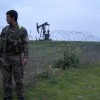
Oil Flows Beneath the Battlefield
At seven o’clock in the morning on Mar. 1, Kurdish militias took over the only operational oil refinery in Syria, located about 800 kilometres northwest of Damascus.Obama Requests Modest Bump in Foreign Aid
U.S. President Barack Obama Wednesday asked Congress to approve some 52 billion dollars in foreign aid and international spending in 2014, slightly higher than the current year’s budget which was cut due to the partisan impasse over how to reduce the yawning federal deficit.
OP-ED: Women Breaking the G8 Iron Door
In a London boardroom today - on Apr. 10 - a new era in the longstanding fight to stop gender violence in conflict will be ushered in. Eight Foreign Ministers from the wealthiest countries around the world, the G8, will discuss conflict-related sexual violence and - if all goes according to plan - will emerge with a clear set of commitments to help end the global scourge.
War is War for CAR Rebel Child Soldiers
At 13 years, Youssouf embodies all the ills that have plagued the Central African Republic in recent years. On Mar. 24, he helped capture Bangui, the capital, as he fought in the ranks of the Séléka rebel coalition.
Moving on from Rwanda’s 100 Days of Genocide
Bernard Kayumba, the mayor of Karongi district in western Rwanda, remembers just what it was like to be caught up in the genocide that claimed the lives of almost one million people in 100 days 19 years ago.
Tunisia Now Exporting “Jihadis”
Tunisian families have begun to dread knocks on their doors, or late-night phone calls, fearing that the messenger will bear the news that their son has been smuggled out of the country to join the “jihad” in Syria.
Free Ticket to ‘Apartheid’
“At least we are not treated like dogs and made to feel so uncomfortable,” Amjad Samara, 30, a labourer from Nablus in the northern West Bank told IPS as he and a group of Palestinians waited at the checkpoint near Qalqilia to cross into Israel for their day job.
Libya Intervention More Questionable in Rear View Mirror
While the tenth anniversary last month of Washington’s invasion of Iraq provoked overwhelmingly negative reviews of the adventure except among its most die-hard neo-conservative proponents, a more recent - albeit far less dramatic and costly - intervention has faded almost completely from public notice.Will PKK Ceasefire Change Turkey’s Regional Role?
The Mar. 21 ceasefire in the battle between the Kurdistan Workers’ Party and the Turkish state offers Turkey not only the hope of peace after decades of bloodshed, but poses profound implications for the region at large.
As Iraq Becomes Iran-Like
Armoured vehicles and thousands of soldiers masked in black balaclavas guard the entrance to the city of Mosul, 350 kilometres northwest of Baghdad. Arriving here gives one the unmistakable feeling of entering a territory that is still under occupation – only this time, the Iraqi Federal soldiers, not the U.S. military, play the role of the occupying army, locals tell IPS.
Libya Fights Increased Drug Trafficking
In Libya, a dose of LSD or the painkiller tramadol costs 78 cents, and a joint of cannabis is 7.80 dollars. Here, drugs are affordable to the poor for a simple reason. “Slashing prices is a way to create demand and open up a market,” a Western diplomat tells IPS in Tripoli, the capital.« Previous Page — Next Page »





Armed conflicts are a sad constant on daily front pages worldwide. Wars, civil wars, revolts, coups, genocides, ethnic and political violence, and global terrorism capture our attention for the geopolitical landslides, human suffering, food crises and streams of migration that follow in their wake. As in times of natural disaster, man-made crises claim frequent casualties among the poor, women and children. IPS examines emerging and ongoing armed conflicts around the world with an eye on the underlying social and political dynamics, and special focus on the lived experiences of those most affected by armed conflict.

The Week with IPS

NEXT STOP - SDGs
Tracking global progress towards a sustainable world
Tracking global progress towards a sustainable world
