Languages
Sunday, November 1, 2026



News and Views from the Global South
Climate Change Finance
Explainer: Green Climate Fund Draft Negotiations at COP29
The Green Climate Fund (GCF) negotiations brought attention to the progress, challenges, and future strategies for enhancing its effectiveness in fostering a just and sustainable energy transition.
UN’s OCHA Calls to Correct the Imbalance in Climate Finance Allocation
As climate-induced disasters continue to wreak havoc worldwide, the Office for the Coordination of Humanitarian Affairs (OCHA), a UN body specializing in emergency response, has issued a clarion call for an ambitious and fair global climate finance goal at COP29. Greg Puley, Head of the Climate Team at OCHA, highlighted the pressing need for enhanced disaster risk reduction and climate resilience measures, particularly in vulnerable and conflict-affected regions.
Science Ignored, Promises Delayed: Bangladesh’s Environment Minister Expresses Dismay Over COP29 Outcomes
Syeda Rizwana Hasan, an adviser to the interim government of Bangladesh and as Minister of Environment, Forestry, and Climate Change, urged the global and regional leaders to prioritize ambitious, evidence-based climate targets in the climate negotiations.
Hydrogen, Nuclear, and Green Zones: Bold Pledges at COP29
As the world intensifies its fight against climate change, the clean energy transition—shifting from fossil fuels to renewable sources—has become a linchpin for sustainable development.
Brazil Vows to Make COP30 a Catalyst for Climate Action and Biodiversity Celebration
As Brazil gears up to host COP30 in Belém next year, Moisés Savian, the country's Secretary of Land Governance, Territorial and Socio Environmental Development, outlined the event's significance in showcasing Brazil's environmental policies and fostering global collaboration.

Signs of Things to Come As COP29 Presidency Releases New Draft Text
Today the COP29 Presidency released a much-awaited new draft text as the end draws near.

It’s a Deal—Wealthy Nations Pledge Not to Build New Unabated Coal-Power Plants
Of all fossil fuels, coal has had the most serious and long-term effects on global warming. When burnt, coal releases more carbon dioxide than oil and gas, producing an estimated 39 percent of the global carbon dioxide emissions. Yet, coal is still the number one energy source, providing nearly 40 percent of the world’s electricity.

COP29 Focus On Climate Migration as Hotter Planet Pushes Millions Out of Homes
Migration is growing as the planet gets even hotter. Climate change is fuelling a migration crisis and millions of people in vulnerable nations are continually being uprooted from their homes. The climate and migration nexus are undeniable and the global community has turned to the Baku climate talks for urgent and sustainable solutions.
Saint Kitts and Nevis: Leading the Charge for Climate Justice, Renewable Energy
At COP29, Saint Kitts and Nevis, the smallest independent nation in the Western Hemisphere, stands as a beacon of climate action and renewable energy ambition.
Pakistan’s Climate Minister Pitches for ‘Climate Diplomacy’ at COP29
Romina Khurshid Alam, the Coordinator to the Prime Minister of Pakistan on Climate Change, praised the resilience of the people of her country in the face of climate disasters and has put her faith into diplomacy to achieve climate justice.
Qatar Committed to Achieving Nationally Determined Contributions by 2030
As global leaders gather at COP29 to address the urgent challenges posed by climate change, Saad Abdulla Al-Hitmi, Director of the Climate Change Department at the Government of Qatar, highlighted the nation’s ambitious goals in an interview with IPS, stressing its commitment to balancing environmental stewardship with economic growth.
Money Talks: Why COP29 New Collective Quantified Goal on Climate Finance Matters
The industrial revolution set the ball rolling towards global warming. Today, developing nations are on the frontlines of a climatic carnage and its snowballing effects. Developed nations bear a financial responsibility to provide climate finance to developing nations, as financing the transition to a low-carbon economy is an urgent, critical matter.
Explainer: Taxes on Cryptocurrencies and Plastics To Boost Climate Finance
The global climate aid fund is not the only option discussed at the World Climate Change Conference (COP29). Imposing a new tax on cryptocurrencies and the plastics industry could help close the money gap needed to address the impacts of climate change, especially in the countries of the Global South.
Survival at Stake: Caribbean Calls For Just, Fair Financing For Small Island States at COP
Communities living in Small Island Developing States (SIDS) pay the price of climate change in lives, livelihoods, and stunted sustainable development. Representatives from Caribbean islands have repeatedly expressed this ongoing concern at COP29.
Rebuilding Trust, Dialogue, Collaboration Key to COP29’s Success, Says Barbados Minister
"This Finance COP has to deliver. I think this is a crucial moment for the COP process," said Shantal Munro-Knight, Barbados Minister in the Prime Minister’s Office. Barbados, a nation at the forefront of climate advocacy, continues to push boundaries at COP29, the so-called Finance COP. Knight shared her views on the state of negotiations, the urgency of climate finance, and the innovative solutions her country is championing.
COP29 Must Set New Global Climate Finance Target, Says UNDP Adaptation Head
Empowering communities, fostering innovation and integrating socio-economic contexts into climate strategies are crucial for effective adaptation to climate change, says Srilata Kammila, Head of Climate Change Adaptation at the United Nations Development Programme (UNDP). In an exclusive interview with Inter Press Service, Kammila shed light on the agency’s pioneering approaches to locally-led climate adaptation.
Youth Protest at COP29: ‘We Will Not Standby to Inherit Dead Planet’
“We cannot rely on capitalistic logic to serve our fight for liberation. More investments will not build houses after floods because it's not profitable. Corporations will not overthrow the industrial-agricultural complex that is completing our assault.”
Breakthroughs, Setbacks in COP29’s First Week of Ambitious Pursuit of Climate Consensus
It has been a high-profile packed agenda in Baku, Azerbaijan, marked by milestone events designed to complete the first enhanced transparency framework and the new collective quantified goal on finance, among other top priority matters.
Climate Finance Loans a Disaster for Climate-Burdened African Communities
African environmental activists at the ongoing climate summit (COP29) in Baku have called on climate financiers to stop suffocating poor countries with unbearable loans in the name of financing climate adaptation and mitigation on the continent.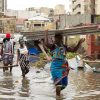
Robust Negotiations Still Needed to Push Rich Countries to Honor Financial Commitments
The irony is that whatever the stakes, finance always features as the “crying onion” at each COP. Hence for the COP29, dubbed the finance COP, no wonder we reach an ocean of tears—especially in view of the current geopolitics, when the world is facing the likelihood of having its historically biggest financial contributor on climate pull out.
Africa’s Demands: Continent’s COP29 Irreducible Minimums Amid Release of First Draft Text
As expected, climate finance has taken center stage in Baku COP29 in a bid to renew the global focus on finance as a means to transform climate ambitions into tangible, sustainable action.« Previous Page — Next Page »





The Week with IPS

NEXT STOP - SDGs
Tracking global progress towards a sustainable world
Tracking global progress towards a sustainable world
