
Monday, October 12, 2026



News and Views from the Global South
Climate Change

Partnerships Expected to Enhance Agricultural Development
Two crucial partnerships were signed at the CGIAR Science Week in Nairobi today (April 9, 2025), aimed at delivering research for development at scale across Africa.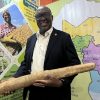
Farmers Need Science Solutions in Their Hands Sooner Than Later
Climate change is outpacing science and farmers are paying the price. Agricultural research innovations need to reach farmers before it is too late.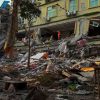
Myanmar Reels From Its Strongest Earthquake in Over a Century
The 7.7 magnitude earthquake that struck central Myanmar on March 28, marked the strongest earthquake the nation has experienced in over a century and the second deadliest in it’s history. The earthquake caused extensive damage in Myanmar and Thailand, with infrastructures in southern China and Vietnam also having been affected.
A Make-or-Break Moment for Global Development Finance—& the Role Philanthropy Must Play
This June, world leaders will gather in Seville for the Fourth International Conference on Financing for Development (FfD4), a milestone opportunity to reimagine how the global economy delivers for people and the planet. But the real question isn’t whether this historic convening will happen. It’s whether it will matter.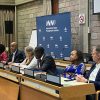
Science-Backed Solutions Buoying Water Security in East Africa
In East Africa, climate change has made water a lifeline and threat. In a region highly dependent on rainfall for growing crops, climate change is threatening water security but science-backed solutions are helping turn the tide.
Growing Legacy: Raising Ambition in Agriculture Scientific Research as CGIAR Unveil New Portfolio
Global food and nutrition insecurity levels are hurtling towards a catastrophe. To counter these problems, leading world experts say science is the 'silver bullet.' That science will build climate-resilient agri-food systems, improve livelihoods across the value chain, and ensure more affordable, nutritious food while safeguarding the environment.
Behind the Feeding of the 5,000 (or Should That Be 10,000) at CGIAR Science Week
Good Food for All is the motto of The Chef's Manifesto, a project that brings together more than 1,500 chefs from around the world to explore how to ensure the food they prepare is planet-friendly and sustainable.
Welcoming Science: CGIAR Week-Long Focus on Innovation for Food, Climate-Secure Future
The world’s leading scientists and decision-makers in agriculture, climate, and health are meeting in Nairobi this week to promote innovation and partnerships towards a food, nutrition, and climate-secure future. As current agrifood systems buckle under multiple challenges, nearly one in 11 people globally and one in five people in Africa go hungry every day.
CGIAR Science Week Seeks Solutions for a Food-Secure, Climate Resilient Future
CGIAR and the Kenyan Agricultural and Livestock Research Organization (KALRO) are bringing together the world’s leading scientists and decision-makers in agriculture, climate, and health for the first CGIAR Science Week. This gathering will be a key moment to advance research and innovation, inspire action, and establish critical partnerships that can secure investment in sustainable food systems for people and the planet.
‘Energy Transfer’s Lawsuit Against Greenpeace Is an Attempt to Drain Our Resources and Silence Dissent’
CIVICUS speaks with Daniel Simons, Senior Legal Counsel Strategic Defence for Greenpeace International, about the lawsuit brought by an oil and gas company against Greenpeace and its broader implications for civil society. Greenpeace is a global network of environmental organisations campaigning on issues such as climate change, disarmament, forests, organic farming and peace.

Hunger and Heightened Insecurity Pushes Sudan to the Brink of Collapse
After nearly two years of extended warfare and protracted crises as a result of the Sudanese Civil War, Sudan remains the world’s biggest internal displacement crisis. According to the United Nations High Commissioner for Refugees (UNHCR), heightened insecurity, widespread famine, economic strife, and climate shocks threaten the lives of approximately 25.6 million people.
Civil Society’s Reform Vision Gains Urgency as the USA Abandons UN Institutions
Today’s multiple and connected crises – including conflicts, climate breakdown and democratic regression – are overwhelming the capabilities of the international institutions designed to address problems states can’t or won’t solve. Now US withdrawal from global bodies threatens to worsen a crisis in international cooperation.
Global Climate Action Progressing, but Speed and Scale Still Lacking
2025 marks the tenth anniversary of the Paris Climate Agreement. One of its chief architects, Christiana Figueres, says the world is heading in the right direction but warns that urgent action is needed to close critical gaps. The pact, adopted in 2015 by 195 nations, set out to limit global warming to "well below 2°C" above pre-industrial levels, striving for 1.5°C. But in 2024, the world shattered records as the hottest year ever, surpassing that crucial threshold.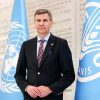
Water and Food Security in Europe and Central Asia: A Shared Challenge for a Sustainable and Just Future
Degrading soil, air pollution, vanishing biodiversity, emerging plant and animal health issues and more are coming together in the current situation of multiple crisis. Ensuring water security is just one, among the many challenges individuals, countries, and the world faces. Yet, we shouldn’t forget that water makes up the largest percentage of our bodies and the same applies to animals, plants and the planet’s surface. The threat of water insecurity is, as we all see, not a petty problem, but one of the greatest challenges of our century.
Latin America & the Caribbean in 2024: Renewable Energy and Early Warning Systems Offer Hope Amid Climate Extremes
Hope in the face of climate extremes. That is the overarching message about the State of the Climate in Latin America and the Caribbean in 2024.
The Giant Plastic Tap: How art fights plastic pollution
"The size of the faucet highlights the magnitude of the problem. It makes the problem impossible to ignore. We're used to throwing things 'away'—but when we're confronted with what happens when 'away' is not an option, I think it creates an emotional wake-up call," says Benjamin Von Wong.
UNICEF Report Warns of Rising Rates of Child Mortality without Proper Funding
Despite levels of child mortality and stillbirths having significantly decreased since 2000, increasingly unequal and limited access to basic services around the world endangers millions of children around the world, a new report finds.
Building Resilience in Least Developed Countries – A Pathway to Sustainable Transformation
As the world grapples with overlapping crises—climate change, economic instability, and food insecurity—the 44 Least Developed Countries (LDCs) face existential threats that demand urgent, collective action.
Strengthening Indigenous Peoples and Local Communities’ Knowledge and Access Opens up Opportunities for Climate, Biodiversity and Desertification Action
The central role Indigenous Peoples and local communities in addressing climate change, biodiversity loss and desertification has gained widespread recognition over the past decade. Indigenous Peoples’ close dependence on resources and ecosystems, exceptional tradition, and ancestral knowledge are invaluable assets for the sustainable management of our planet’s natural resources.
The Ocean Creeps In: Tanzanian Coastal Communities Fight a Losing Battle
The first time Jumanne Waziri tasted salt in his morning tea, he thought his wife had made a mistake. “Why did you put salt instead of sugar?” he asked, setting his cup down in their home in Ununio, a quiet suburb north of Dar es Salaam.
A Test of Humanity: Migrants’ Rights in a World Turning Inward
The United Nations Refugee Agency faces devastating cuts that may eliminate 5,000 to 6,000 jobs, with potentially catastrophic consequences for millions of people fleeing war, repression, hunger and climate disasters. This 75-year-old institution, established to help Europeans displaced by the Second World War, now confronts an unprecedented financial crisis, primarily due to the US foreign aid freeze – and the timing couldn’t be worse.« Previous Page — Next Page »





As unsustainable human consumption and production systems are driving changes in average temperatures and weather patterns, "abnormal" is increasingly becoming the norm. So far, a lack of financing has been standing in the way of a comprehensive global plan for climate adaptation, and a global financial crisis has contributed to an increasing reliance on public-private partnerships. Our Climate Change page provides you with the latest news about international and local efforts to address what's frequently been called "the challenge of our time", the forces behind the climate change and the impact it has on the world's most vulnerable populations. Along the way, we bring you stories on growing citizen awareness, new scientific data, and emerging climate policies towards sustainable development.

The Week with IPS

Tracking global progress towards a sustainable world

