
Wednesday, November 11, 2026



News and Views from the Global South
Climate Change

UNEP’s 2024 Emissions Gap Report Warns: ‘No More Hot Air, Please’
The United Nations Environment Programme’s (UNEP) Emissions Gap Report 2024 delivered a stark reminder that the world is still far from meeting its climate commitments.
Unlocking Urban Climate Finance: Key insights from Indonesia
Over half of Asia-Pacific's population now live in cities. While urbanization brings people closer to opportunities and better services, many urban dwellers are also experiencing the adverse impacts of climate change such as floods, urban heat and infectious diseases. Urban activities are among the major contributors to greenhouse gas (GHG) emissions.
COP16 – Is This Our Last Chance to Save Nature?
As COP16 approaches, we have been reflecting on the state of our planet in 2024; the word "crisis" feels insufficient to describe the devastation we're witnessing.
Salt: Bangladesh Communities On the Frontline of Climate Change
Global warming has far-reaching effects, and certain countries, particularly those with low lying coastal regions, are more vulnerable than others. Bangladesh, the largest delta in the world, is at the forefront of the global warming crisis. Its coastal areas are increasingly exposed to rising sea levels, natural disasters, and salinization, all of which have devastating effects on its population.
The Future of Food Security Lies Beyond COP29’s Negotiation Tables
Climate change has thrown our food systems into chaos. Extreme weather events and dramatic climate variations are hammering food production and supply chains across the world. As global leaders gear up for COP29, there’s plenty of buzz about climate action. But can we really expect these slow-moving, bureaucratic negotiations to deliver tangible and swift results to decarbonize and insulate our agri-food systems? Most likely not. But do not despair. While the COP29 talks unfold, crucial climate solutions for transforming food systems are already taking root on the ground.
Biodiversity Goal Can Be Achieved in the Southern Ocean
COP16, the much-anticipated follow-up talks to the 2022 Kunming-Montreal Global Biodiversity Framework (GBF) agreement, which aims to reverse an alarming loss of nature on land and sea, opens in Cali, Colombia.
Transparency and Inclusion: The Keys to Successful 30×30 Conservation
Two years ago world leaders from nearly 200 countries made a landmark commitment to protect and conserve at least 30% of the planet's land, ocean, and freshwater by 2030 - an initiative known as "30x30".
Race to Close Global Climate Finance Gaps Amid Escalating Climate Risks
The impact of climate change continues to devastate economies worldwide, creating a pressing need for all countries to significantly increase international climate finance. To drive critical action towards reduced climate risks and sustainable economic growth calls for expanded access to affordable, predictable finance at scale.
Kenya’s Mung Bean Legislation Debate Underscores Farmers’ Vulnerability
Kenyan farmers have faced a turbulent year, caught between legislative changes and a devastating scandal. While the country's Mung Bean Bill, aiming to regulate the lucrative mung bean industry, has moved to mediation, farmers are battling the fallout from the widespread distribution of counterfeit fertilizers that have jeopardized their crop yields and livelihoods.
Civil Society Fights Against Budget Cuts Amid Calls for “Aid” Reform
Multiple conflicts, the climate emergency and other crises are destabilising many parts of the world and intensifying the strain on the resources needed to finance the global sustainable development agenda. Amid these challenges, data from 2023, shows that Official Development Assistance (ODA) reached a record-breaking US$223.7 billion, up from US$211 billion the previous year, according to Eurodad.
World Told Act Now or Face 136 Years of Hunger, Report Warns
High levels of hunger will continue for another 136 years in many developing countries, according to a new report assessing global hunger.
Climate Justice Needs Recognition of Common, but Differentiated Responsibilities
Climate justice recognizes differential impacts of climate crisis between rich and poor, women and men, and older and younger generations. The UN Secretary-General António Guterres emphasized, “as is always the case, the poor and vulnerable are the first to suffer and the worst hit.” However, all people should have the agency to live life with dignity. Thus, climate justice looks at the climate crisis through a human rights lens.
WORLD FOOD DAY – 2024

The world's farmers produce enough food to feed more than the global population. Yet around 733 million people are facing hunger in the world.

UN Goal to End World-Wide Hunger by 2030 is Destined to Miss the Target
A landmark report released last July by five UN agencies— the World Health Organization (WHO), the Food and Agriculture Organization (FAO), the International Fund for Agricultural Development (IFAD), the World Food Programme (WFP) and the UN children’s agency UNICEF—outlined the setbacks in fighting global hunger and warned that the world has fallen behind by more than 15 years in its relentless battle against food scarcities, with levels of undernourishment comparable to those in 2008-2009.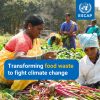
Building Resilience Against Climate Risks: The Transformative Role of Social Protection
While the impact of COVID-19 and the war in Ukraine on food system disruptions was widely covered, underlying food system vulnerabilities across Asia and the Pacific had been steadily growing long before these crises unfolded.
When Will World Food Day be a Day to Actually Celebrate?
World Food Day seems like it should be a time to celebrate. A day to eat delicious meals and enjoy the rich traditions and cultures of food around the globe.
Building Water Security for the Next Generation in the Pacific Territories
The Pacific Islands region is both the frontline of the wrath that climate change is lashing on the environment and human life and the drive for innovation and solutions to stem the destruction and strengthen island environments for the future. The survival of life, even nations, in the Pacific depends on it.
IPBES Calls for Holistic Solutions, Transformative Change in Tackling Biodiversity Loss
A holistic approach and transformative change of systems are needed to tackle biodiversity loss and to put the world on a sustainable path, an assessment by the Intergovernmental Science-Policy Platform on Biodiversity and Ecosystem Services (IPBES) has recommended. The world is facing an interconnected crisis of unprecedented biodiversity loss, food insecurity, and environmental degradation that can no longer be tackled through fragmented and piecemeal solutions, a forthcoming assessment by IPBES will show, calling for holistic approaches instead.
It’s High Time to Turn the “Right to Foods” for a Healthy, Nutritious & Affordable Diet into Reality
This year the theme for World Food Day is “Right to Foods for a Better Life and a Better Future.” It’s a timely reminder that all people have the right to adequate foods. But how do we get from a right to a reality? And why is it so important to think about not just having sufficient food, but also the diversity of diets?
Azerbaijan Turns into a “Massive Open-Air Prison” before UN Climate Change Conference
On November 20, 2023, Ulvi Hasanli, director of AbzasMedia —an independent media outlet in Azerbaijan—was arrested when he was about to board a taxi to Baku airport. Meanwhile, uniformed officers raided AbzasMedia's headquarters in the Azerbaijani capital, claiming to have found 40,000 euros in cash, which was used as evidence to accuse Hasanli of currency smuggling.
With Climate Change, Government Apathy, Who Should Kerala’s Fishworkers Turn To?
Every morning before dawn, fishworkers along the shores of Kochi, Kerala, head out to sea, casting their nets in the shadow of the iconic Cheenavala—the Chinese fishing nets that have become a symbol of their community. I witnessed this time-honored tradition, once a reliable means of survival, now a daily gamble, a fight against unpredictable seas and shrinking fish populations.« Previous Page — Next Page »





As unsustainable human consumption and production systems are driving changes in average temperatures and weather patterns, "abnormal" is increasingly becoming the norm. So far, a lack of financing has been standing in the way of a comprehensive global plan for climate adaptation, and a global financial crisis has contributed to an increasing reliance on public-private partnerships. Our Climate Change page provides you with the latest news about international and local efforts to address what's frequently been called "the challenge of our time", the forces behind the climate change and the impact it has on the world's most vulnerable populations. Along the way, we bring you stories on growing citizen awareness, new scientific data, and emerging climate policies towards sustainable development.

The Week with IPS

Tracking global progress towards a sustainable world

