
Monday, October 19, 2026



News and Views from the Global South
Environment

Trachoma: What It Takes to Eliminate a Disease in the Pacific Islands
Two Pacific Island nations have been applauded for their successes in the global health campaign to eliminate the infectious eye disease, Trachoma.
As Biodiversity Loss Grows, Rome Talks Urge Nations to Step Up Action
Governments meeting in Rome last week acknowledged that global efforts to protect nature are still not moving fast enough, even as biodiversity loss continues to affect ecosystems, livelihoods, and economies worldwide.
Turning the Tide: How West Africa Is Reasserting Its Food Sovereignty Through Aquaculture
It is an indictment on the global food system that, despite having some of the richest and most endowed natural resources in the world and a burgeoning youth population, West Africa spends more than $2 billion a year importing aquatic foods to feed its people, almost half of which is spent by Côte d’Ivoire alone.
Brazil Can Boost Growth by Bringing More Women into the Labor Force
When Brazil’s unemployment rate dropped to 5.2 percent in November 2025—the lowest in a quarter century—it punctuated an impressive turnaround from the pandemic. Yet, while men’s participation in the labor market has returned to its pre-COVID trend, women have fallen behind significantly.
From Pledges to Proof: UN Biodiversity Meeting Begins First Global Review of Nature Action
Governments convened in Rome on Monday (February 16) for a critical round of UN biodiversity negotiations, launching the world’s first global review of how countries are acting to protect nature.
Regional Trade in Transition: Digitalization, Servicing and De-risking
Trade in the Asia-Pacific region has moved into a new strategic reality. The latest Asia-Pacific Trade and Investment Trends (APTIT) highlights that rapid technological change and a strategic reconfiguration of supply chains are reshaping how economies in the region trade and compete.
Extreme Heat Undermines Decent Work in North Eastern Kenya
By 9 a.m. on a Wednesday, Hawa Hussein Farah is already watching the temperature climb. Awake since 6 a.m., she has prepared her three children for school before walking them to class and heading to Suuq Mugdi, an open-air market in Garissa town, to buy the fruit she will sell.
Africa at the Epicenter of Child Labour Crisis as Migration Fuels Exploitation
Although global rates of child labour have declined since 2020, the practice remains a serious and persistent violation of children’s rights, undermining their safety, social development, and long-term economic stability. These risks are intensified by structural pressures— poverty, climate shocks, protracted conflict, and unsafe migration— that continue to push vulnerable children into crisis, and in some cases, trafficking and exploitation. The United Nations Children’s Fund (UNICEF) warns that African countries remain among the most affected regions, underscoring the urgent need for coordinated policy action, cross-border cooperation, and sustained investment to protect children on the move and those at risk of labour exploitation.
As Glaciers Melt, the World’s Hidden Water Banks Are at Risk
Glaciers – the world’s hidden water banks - are a source of life for billions. The seasonal melt from mountains and glaciers sustains some of the world’s most important rivers, such as the Indus, the Nile, the Ganges and the Colorado. Those and other mountain-fed rivers irrigate crops, provide drinking water for nearly two billion people, and power electricity generation.
Africa’s Food Systems Will Not Transform Without Parliamentary Accountability
Africa has never lacked agricultural strategies. Since the launch of the Comprehensive Africa Agriculture Development Programme (CAADP) in 2003, governments have pledged repeatedly to spend at least 10 per cent of public budgets on agriculture and to raise productivity through better investment and coordination. The African Union reaffirmed this target in subsequent declarations, such as Malabo in 2014 and the Kampala CAADP Strategy (2026-2035).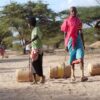
When Drought Steals Childhood: How Climate Shocks in Northern Kenya Are Testing the SDGs
Every morning before sunrise, 10-year-old Amina Adan walks away from school and toward a shrinking water pan on the outskirts of Rhamu, Mandera County. By the time her classmates would be opening exercise books, Amina was already balancing a yellow jerrycan almost half her size.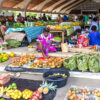
Local Resilience Can Mitigate Climate Conflicts in the Pacific
The Pacific Island countries are at the frontline of climate change. Their territories mostly consist of small, low-lying islands, with long coastlines and vast ocean spaces between them. Many livelihoods are based on agriculture or fishing, and importing water or food is often infeasible or expensive. This makes those large ocean nations highly vulnerable to the impacts of climate change, such as storms, droughts, and rising sea levels. Analysts have expressed concerns that this can result in various forms of socio-political conflict.

A Business Necessity: Align With Nature or Risk Collapse, IPBES Report Warns
Business can still remain profitable while protecting the environment but invest in nature-positive operations, says a landmark report by the Intergovernmental Platform on Biodiversity and Ecosystem Services (IPBES), which finds that global companies have contributed to the escalating loss of biodiversity.
Goal 1: End Poverty in all its Forms –Everywhere
Eradicating extreme poverty for all people everywhere by 2030 is a pivotal aim of the Sustainable Development Goals. Extreme poverty, defined as surviving on less than US$3.00 per person per day at 2021 purchasing power parity, has witnessed remarkable declines over recent decades.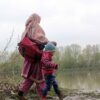
‘When Rains Come, Our Hearts Beat Faster’
When the rain begins in Kashmir's capital Srinagar, Ghulam Nabi Bhat does not watch the clouds with relief anymore. He watches them with calculation. How much can the gutters take? How fast will the river rise? Which corner of the house will leak first? Where should the children sleep if the floor turns damp?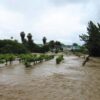
Floods and Food Security: The Hidden Cost to Crops and Soil
South Africa, Mozambique, and Zimbabwe are currently experiencing severe flooding. According to the World Health Organization, 1.3 million people have been affected. In addition, hundreds of people have died , infrastructure has been destroyed, access to health services has been disrupted, and the risks of water- and mosquito-borne diseases are rising.
WHO Launches $1 Billion Appeal Amid Funding Shortfalls and Widening Gaps in Healthcare Access
On February 3, the World Health Organization (WHO) launched its 2026 global appeal to help millions of people living in protracted conflicts and humanitarian crises access lifesaving healthcare. Following a trend of sharply declining international funding, the agency warns that it is becoming increasingly difficult to respond to emerging health threats, including pandemics and drug-resistant infections.
When Protection Meets the Sea: Rethinking Marine Protected Areas with Fishing Communities
Melanie Brown has been fishing salmon in Bristol Bay, Alaska, for more than 30 years. An Indigenous fisherwoman and a coordinating committee member of the World Forum of Fisher Peoples, she speaks about the sea with deep care and lived knowledge.
Protecting Africa’s Ocean Future and Why a Precautionary Pause on Deep-sea Mining Matters
The world is entering a decisive period for the future of the ocean. With the High Seas Treaty coming into force and meaningful progress being made on the World Trade Organization Agreement on Fisheries Subsidies, global momentum for stronger marine governance is building. Yet, new pressures linked to the push for deep-sea mining — the extraction of minerals from seabed thousands of meters below the ocean surface — threaten to undermine these gains. To safeguard progress, global decision-making will have to keep pace with such emerging risks. In this context, Africa will host several global discussions in 2026, including those that will shape the ocean's future, with a series of opportunities for leadership starting with the African Union Summit in February to the Our Ocean Conference in Mombasa, Kenya in June.
Support Science in Halting Global Biodiversity Crisis—King Charles
British Monarch King Charles says science is the solution to protecting nature and halting global biodiversity loss, which is threatening humanity’s survival.
Explainer: Why Nature Is Everyone’s Business
Our food, fuel, and fortunes come from nature, but as these resources are turned into profits, the balance between exploiting and replenishing the planet is ever more precarious. Global businesses impact nature through mining, manufacturing, processing and retail operations. At the same time, nature impacts business operations because there is a loss of biodiversity and extreme weather events such as droughts, floods, and high temperatures.« Previous Page — Next Page »





Through our global network of local writers, we are continuing our award-winning coverage of global and local environmental challenges, with a focus on the people for whom the ecosphere matters in a direct way: rural dwellers who have little means to protect themselves against adverse conditions; communities that need to switch to sustainable development in order to survive; poor women and children, who are the most vulnerable in natural disasters. Sponsored by the United Nations Environment Program (UNEP), the United Nations Development Program (UNDP) and The World Bank (WB), IPS also maintains the award-winning Tierramérica, a specialised information service on environment and development.

The Week with IPS

Tracking global progress towards a sustainable world


