
Friday, November 27, 2026



News and Views from the Global South
Environment
Ecobreves – HONDURAS: Renewable Energy Classes
The Honduran government has organized training sessions about the production and use of renewable energy, ahead of implementing a series of energy projects in the country's interior over the next sixENERGY: Africa Will Have to Feed EU’s Artificial Biofuels Demand
Earlier in the decade, biofuels were hailed as the energy panacea, the silver bullet to solve oil shortages and abide by environmental concerns. The European Union recently took the lead in imposing the use of these liquid or gaseous fuels made from plants.
PERU: Water Isn’t for Everyone
The melting of glaciers resulting from climate change and the lack of adequate water management policies seem to be the main causes behind the water shortages that are fuelling conflicts in Peru.U.S.: Greens Hail Obama’s OK to Regulate Greenhouse Emissions
U.S. green groups hailed Friday's formal finding by the Environmental Protection Agency (EPA) that carbon dioxide and several other greenhouse gases "endanger" public health and welfare as a landmark – if long overdue – step toward slowing global warming.ENVIRONMENT-BRAZIL: Protecting the Jungle Has a Price
Government officials, business leaders and non-governmental organisations agreed in Brazil on the need for rich countries and companies to "pay" the people of the Amazon jungle as "providers of environmental services" for contributing to the fight against climate change by not deforesting.HEALTH-ARGENTINA: Scientists Reveal Effects of Glyphosate
Glyphosate, the herbicide used on soybeans in Argentina, causes malformations in amphibian embryos, say scientists here who revealed the findings of a study that has not yet been published.
ENVIRONMENT-AFGHANISTAN: Smog Adds to Kabul’s Hazards
On any given day, a pall of smog and dust hangs over Kabul's streets. It clings to the face, burns the eyes, and stains the hands. It bathes the cars, often stuck bumper-to-bumper in traffic, and occludes the view of the distant mountains.DEVELOPMENT: Making Sanitation Sexy
Though the issue of human excreta is often taboo in polite company, human waste and sanitation are starting to take their rightful place in debates about development and human health.ENVIRONMENT: Paper and Fuel Wood Biggest Stresses on Forests
Protecting the earth's nearly 4 billion hectares of remaining forests and replanting those already lost are both essential for restoring the earth's health, an important foundation for the new economy.
SCIENCE: Littering the Cosmos
Tonnes of space garbage is orbiting the Earth and posing serious threats to active satellites and manned space missions, and to astronauts when they conduct space walks outside of their ships.
TRADE-AFRICA: Flip-flops Transformed Into Toys to Save Turtles
Art and fashion, environmental conservation, poverty alleviation and fair trade come together at UniqEco’s Marula Studios in an upscale suburb of Nairobi. A visit to its workshop and display centre is a delight to the eyes as well as an occasion to learn about the problem of marine pollution and its eco-friendly, community-based and business-savvy solutions.
In Peru, Water Isn't For Everyone
The frozen treasure of Peru's glaciers is melting away, leaving the population facing a dry future.
Littering the Cosmos
European scientists are proposing the controlled removal of thousands of dangerous pieces of space debris in the Earth's orbit by sending up robotized missions.Ecobreves – CLIMATE CHANGE: Cold Debate in Bonn
The first of the five special meeting this year towards achieving a new climate change agreement failed to advance in terms of commitments for reducing emissions that cause global warming.Ecobreves – BRAZIL: Fire for Cooking Also Generates Electricity
A Brazilian company is selling an efficient wood-burning stove that, in addition to cooking, generates electricity, which could be a boon to Brazilian families living in isolated areas, especially in the Amazon.Ecobreves – HONDURAS: Mapping Vulnerable Zones
The Honduran government presented the first risk and vulnerability map of the country, distributed to local and environmental authorities. The map will serve in making decisions about measures for preventing damage during the rainy season, which begins in May.Ecobreves – ARGENTINA: Phone-In Complaints about River Polluters
The environmental group Greenpeace of Argentina set up a phone number for anonymous denunciations of illegal runoff into the basin of the Riachuelo, Argentina's most polluted river, which runs through the south of the city of Buenos Aires.Ecobreves – MEXICO: Lawsuits Against Obligatory School Busing
Parents of schoolchildren in the Mexican capital are using legal action to fight obligatory school busing, ordered by the city government as a means to clear up traffic and scheduled to begin in September.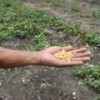
AGRICULTURE: GM Maize Finds Its Way to Cuba’s Fields
With little fanfare, genetically modified maize produced by Cuba's genetic and biotechnology engineering centre, CIGB, is being grown on test plots as part of a new project involving five of the Caribbean island nation's provinces.ENVIRONMENT: Earth’s Arctic Freezer Turning Into Hothouse
The world is losing its northern freezer as Arctic winter ice is in sharp decline, NASA scientists reported this week. Even with below average winter temperatures, Arctic ice is thinner and covers less area than it did a decade ago.
PERU: Where the Poor Pay More for Water
In Lomas de Manchay, an area of slum-covered hills outside of the Peruvian capital that is home to 50,000 people, mainly poor indigenous migrants from the highlands, clean water is worth gold – almost literally.« Previous Page — Next Page »


Through our global network of local writers, we are continuing our award-winning coverage of global and local environmental challenges, with a focus on the people for whom the ecosphere matters in a direct way: rural dwellers who have little means to protect themselves against adverse conditions; communities that need to switch to sustainable development in order to survive; poor women and children, who are the most vulnerable in natural disasters. Sponsored by the United Nations Environment Program (UNEP), the United Nations Development Program (UNDP) and The World Bank (WB), IPS also maintains the award-winning Tierramérica, a specialised information service on environment and development.

The Week with IPS

Tracking global progress towards a sustainable world


