
Saturday, November 28, 2026



News and Views from the Global South
Environment
CLIMATE CHANGE: Insubstantial Shadows
Amidst the cacophony of discussions and negotiations within the international climate change caucus, one particular group, the G8, had held out hope for effective implementation - more than the United Nations Kyoto Protocol (KP), which remains bogged down in various degrees of non-compliance.
ENVIRONMENT-US: New Push to Clean Toxic Hotspot
Two New York City Congressional representatives are calling for Newtown Creek, one of the country's most polluted waterways, to be tested for the high levels of toxic chemicals that would qualify it for Superfund clean-up.
LATIN AMERICA: Ingenuity at the Service of Sustainable Business
A company will extract silver from the same contaminants it proposes to clean up; a cooperative of the formerly unemployed will export designer clothing; some small farmers are planting new varieties of manioc that double the yield with fewer agro-toxins; others are linking agriculture in the Amazon with protection of the forest.
The Climate Costs of a Glass of Milk
Pastures with plants that produce less methane and substances that inhibit the nitrogen-fixing of soils are among the solutions the livestock industry is testing in an effort to reduce emissions that contribute to climate change.
“Cancún’s White Sands Wouldn’t Exist Without Coral”
Coral reefs are in trouble, but they could buy some time with good management and protection, while we work to find ways to reduce the impacts of climate change, says Mexican scientist Roberto Iglesias-Prieto in this exclusive Tierramérica interview.Ecobreves – LATIN AMERICA: Tierramérica Launches International Center
IPS news agency, the United Nations Development Program, United Nations Environment Program and the World Bank on July 31 will celebrate the founding assembly of the Tierramérica International Center for Sustainable Development and Environmental Defense, in the Brazilian Amazon city of Manaus.Ecobreves – MEXICO: A Green Guide to Businesses and Services
An ecological guide will promote eco-friendly providers of goods and services in Mexico beginning in September.Ecobreves – ARGENTINA: More Grassfires
The burning of weeds this month set off a new rash of fires in eight provinces of northeastern Argentina, the environmental group Fundación Proteger has charged.Ecobreves – BRAZIL: Uruguayan Thermoelectric Plant Faces Criticism
Environmentalists are fighting Uruguay’s plans to build a coal-fired electrical plant to generate 350 megawatts in Candiota, a town in southern Brazil near the Uruguayan border.ENVIRONMENT: EU Backs Away From Agrofuels
EU ministers for energy and the environment have revised their targets for renewable energy in the face of abundant new evidence that increased production of agrofuels is partly responsible for the worldwide increase of food prices.BURMA: Females Hit Worst by Cyclone Nargis – Report
Nearly three months after the powerful Cyclone Nargis tore through Burma’s Irrawaddy Delta, it has emerged that the majority of those who died in the devastated area were women.ENVIRONMENT-BURKINA FASO: Winning People Over to Fight Deforestation
In the West African nation of Burkina Faso, millions of trees are planted every year to reverse desertification. However the growing socio-economic needs of local populations pose a constant threat to these efforts.Q&A: 'We Need Policies That Address Climate Change'
Last year, Zimbabwe's second largest city of Bulawayo faced a crippling water crisis, after three of its five supply dams went dry. Some high density suburbs went for over three months without water.
CHILE: Declaring War on Pigeons
The cities of the world are ideal habitat for the proliferation of the pigeon, or rock dove, a picturesque species that actually poses health and environmental risks.FINANCE: U.S. Accuses Trading Firm of Manipulating Oil Market
U.S. regulators are pressing charges against a global trading firm they accuse of manipulating the oil market, in a move that dovetails with heightened political agitation over rising energy and food prices.POLITICS-BOLIVIA: It’s All about the Gas Revenues
Revenues from Bolivia’s sales of natural gas, which have ballooned in the last few years, are now at the centre of the tense political polarisation threatening to tear the country apart and are a main motivation in the opposition’s attempt to undermine the leftwing government of Evo Morales.MEXICO: Putting a Price Tag on Destruction of Mangroves
The destruction of the rich mangroves along the coasts of northwestern Mexico has had a heavy impact on fisheries in that area, according to a new study that attempts to put a price tag on these fragile ecosystems.AFRICA: Link Between Crop Failure and Climate Change Often Missed
Climate change has a profound effect on food security in Africa, as increasing temperatures and shifting rain patterns reduce access to food across the continent.
BRAZIL: Livelihoods Vs. Environment – Afro-Descendants Caught in the Middle
"They won’t let us plant our crops," says Leonila Costa Pontes, referring to the laws that require an environmental permit for her to cultivate her small plot of land.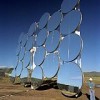
ENERGY: Solar Thermal Power Coming to a Boil
After emerging in 2006 from 15 years of hibernation, the solar thermal power industry experienced a surge in 2007, with 100 megawatts of new capacity coming online worldwide.Q&A: 'Guam Matters, Not Guamanian Rights'
In this second of a two-part interview, IPS spoke with Julian Aguon - whose homeland of Guam is soon to receive thousands more U.S. troops - regarding the island’s economic problems, why Guam matters to Washington and the value of solidarity links between activists who are divided by oceans, yet united in a cause.« Previous Page — Next Page »


Through our global network of local writers, we are continuing our award-winning coverage of global and local environmental challenges, with a focus on the people for whom the ecosphere matters in a direct way: rural dwellers who have little means to protect themselves against adverse conditions; communities that need to switch to sustainable development in order to survive; poor women and children, who are the most vulnerable in natural disasters. Sponsored by the United Nations Environment Program (UNEP), the United Nations Development Program (UNDP) and The World Bank (WB), IPS also maintains the award-winning Tierramérica, a specialised information service on environment and development.

The Week with IPS

Tracking global progress towards a sustainable world


