Languages
Saturday, November 14, 2026



News and Views from the Global South
Featured
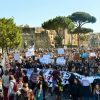
How Coronavirus Makes us Rethink Youth Protests
As social distancing, quarantines and lockdowns have spread across the globe to slow the spread of coronavirus, they have imposed some of the greatest worldwide restrictions on public gatherings in living memory. These restrictions may be necessary for public health, but they require the most anxious scrutiny to prevent them being misused to quash legitimate political expression and discriminate against protesters, including children and young people who mobilise.
Financial Scams Rise as Coronavirus Hits Developing Countries
In the Philippines, Peru, India, Kenya, South Africa and many other developing countries, poor people who are already struggling with the health impact of the coronavirus pandemic have been targeted by online fraudsters trying to take unfair advantage of them.
Has COVID-19 Reversed Progress for India’s Small Tea Growers?
As the sun sets over the hills, Prafulla Debbarma, a small tea grower in Dhanbilash village in north eastern India, walks along the labyrinth path of his farm and past a thick blanket of well-grown tea plants. In the fading light, the farmer appears deeply worried. This tea farm, the sole source of his livelihood, remains unharvested thanks to the ongoing COVID-19 crisis.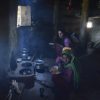
The Unseen Link Between Clean Cooking and the COVID-19 Pandemic
The COVID-19 pandemic has exacerbated inequalities and revealed to what extent current economic models are not sustainable. It has also shown that most countries are not equipped to cope with a health crisis.
COVID-19 Deaths Before A Vaccine?
How many COVID-19 deaths will occur before a vaccine becomes available worldwide? As with many seemingly simple questions about an uncertain future, the proper answer to that important query is: “it depends”.
Impact of COVID-19 on Tourism in Small Island Developing States
The COVID-19 pandemic and the measures put in place to contain its diffusion are taking a heavy toll on the tourism sector. According to the United Nations World Tourism Organization (UNWTO), the COVID-19 pandemic will result in a contraction of the tourism sector by 20% to 30% in 2020.
Protect Journalists’ Rights so We can Stop the COVID-19 Disinfodemic
Andrew Sam Raja Pandian, a digital journalist and founder of a news portal in the southern state of Tamil Nadu, was arrested for running two news articles related to COVID-19.
Africa’s Youth Scholars Harvest Ideas on the Business of Agriculture
In Rwanda, Benimana Uwera Gilberthe, a scholar and pepper producer, experienced first-hand the challenges of breaking into agribusiness. While in Nigeria, Ayoola Adewale is trying to understand if poultry egg farming will prove a profitable and viable business opportunity to the youth of the continent’s most populous nation. Also in Nigeria, Esther Alleluyanatha is understanding the link between young people leaving their villages for larger cities, the remittances they send home, and the implications on rural livelihoods and agriculture productivity.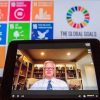
Only Sustainable Investment & Global Cooperation Can Counter COVID’s Blow to SDGs
We are today in a time of crisis—a time when our shared choices will shape the way history tells our story and the paradigm shift it has so forcefully provoked.
Press Freedom Needs Protection from Pandemic too
Wearing an orange jacket and face mask, Li Zehua, a Chinese freelance journalist, can be seen filming himself in a car. He is sure that state security agents have been pursuing him since he began documenting events in Hubei’s capital Wuhan, the first epicentre of the COVID-19 pandemic. A second YouTube video, circulating widely since he launched his appeal, ends abruptly when two men knock at his apartment. He has just reappeared online after two months, saying police interrogated him and put him in quarantine and that he was well looked after during this period.
Amid Covid-19 Hunger Fear Mounts in Bangladesh
 The world is at risk of widespread famines resulting from lockdowns to contain the spread of the coronavirus pandemic. The devastating economic impact of Covid-19 is seeing a huge rise in the number of hungry people.

The Crises of 2020 Will Delay the Transition to Clean Energy
The oil slump, global recession and uncertainty about the magnitude of the COVID-19 pandemic will fuel the appetite for cheaper fossil fuel energy and delay investments in renewables, affecting the targets of the Paris Agreement on climate change and the Sustainable Development Goals (SDGs).
Governments Cautioned Not to Use COVID-19 Lockdown to Cause Harm
The United Nations High Commissioner for Human Rights is calling on governments and leaders around the world to ensure that their respective lockdown measurements don’t end up causing harm to people by those enforcing the lockdowns. 
Pandemic Lays Bare Africa’s Deficits, but Youth Will Grow the Future
Africa’s frailties have been brutally exposed by the coronavirus pandemic. The virus has reached nearly every country on this continent of 1.3 billion people and the World Health Organization warns there could be 10 million cases within six months. Ten countries have no ventilators at all.
China & India Ranked World’s Biggest Military Spenders Trailing US
China and India, which went to war back in 1962 largely over a disputed Himalayan border-- and continue a longstanding battle for military supremacy in Asia-- have set a new record in arms spending.
World Press Freedom Day: The Assault on Media Freedom in Asia Worsens During COVID-19 Pandemic
May 3rd marks World Press Freedom Day around the world. During this COVID-19 pandemic, a robust media environment is critical: access to life-saving information is key in the fight against the virus. As governments impose a range of restrictions in attempts to curb the pandemic, journalists help hold authorities to account by providing analysis, engaging in debate about government actions, and creating a space for dialogue about the future we all hope to see.
Electricity Demand During Lockdown: Evidence from Argentina
Electricity demand normally depends on such variables as retail electricity rates, daytime temperature, time and day of the week, economic activity and consumer type (i.e. residential, commercial, industrial, etc.).
COVID-19 – How Eswatini’s Garden Farmers are Keeping the Vegetable Supply Flowing
Nobukhosi Cebekhulu (68) and Khetsiwe Tofile (64) are small-scale vegetable farmers who are producing from their permaculture home gardens in Malkerns, Eswatini.
All-of-Government, Whole-of-Society Involvement Needed to Fight Virus
The Covid-19 pandemic is now widely considered more threatening than any other recent viral epidemic. Most believe that many more have been infected or even died than officially confirmed.
As Coronavirus Spreads, No Journalist Should be Sidelined in Prison
In 2014 my husband and I were arrested in my native country, Iran, for the crime of working as journalists. I spent 72 days in Tehran’s notorious Evin prison, all of them in solitary confinement.
COVID-19 Stimulus Measures Must Save Lives, Protect Livelihoods, and Safeguard Nature to Reduce the Risk of Future Pandemics
There is a single species that is responsible for the COVID-19 pandemic - us. As with the climate and biodiversity crises, recent pandemics are a direct consequence of human activity – particularly our global financial and economic systems, based on a limited paradigm that prizes economic growth at any cost. We have a small window of opportunity, in overcoming the challenges of the current crisis, to avoid sowing the seeds of future ones.« Previous Page — Next Page »


The Week with IPS

NEXT STOP - SDGs
Tracking global progress towards a sustainable world
Tracking global progress towards a sustainable world
