Languages
Saturday, November 21, 2026



News and Views from the Global South
Featured

Africa’s Senior Citizens Cornered By Poverty
Kenya has made tremendous steps towards ensuring that the elderly population does not slide into extreme poverty, hunger and, consequently, premature death.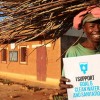
Water Remains Largely Marginalized in Climate Talks
U.S. Secretary of State John Kerry last week turned the spotlight on the “record number” of extreme weather-related events the world is witnessing these days.
Toasting to a More Sustainable Planet with Argentine Wine
The region of Cuyo in west-central Argentina is famous for its vineyards. But it is one of the areas in the country hit hardest by the effects of climate change, such as desertification and the melting of mountain top snow. And local winegrowers have come up with their own way to fight global warming.
Before Renewable Power Plant is Completed, Geothermal Overtakes Hydro in Kenya
In its quest to generate more reliable, climate-friendly electric energy, Kenya has become the first country in the world to make use of temporary geothermal wellheads, which are currently injecting an extra 56 megawatts into the national grid.
Opinion: Demography and Destiny
The demographic revolutions the world is experiencing are profound and far-reaching, affecting virtually every aspect of human society. Whether in politics, business, international relations, environmental affairs or even personal matters, understanding the fundamental demographic changes underway and anticipating their juggernaut consequences can contribute considerably to the setting of meaningful goals, designing effective strategies and achieving genuine progress.
Opinion: From European Union to Just a Common Market
The success in the recent Swiss elections of the UDC-SVP, a xenophobic, anti European Union, right wing party, opens a number of reflections.
OPINION: Time to Reform the Global Casino
The year 2015 highlights the global shift from traditional money-based, gross domestic product (GDP)-measured economic growth to the new models of sustainable, inclusive human development embodied in the United Nations Sustainable Development Goals (SDGs) ratified by its 193 member nations.
Kenya: Transforming Mandera County’s Deadly Reputation for Maternal Health
For many women in Mandera County – a hard to reach, insecure and arid part of North Eastern Kenya – the story of life from childhood to adulthood is one about sheer pain and struggle for survival.
Native Women Green the Outskirts of the City, Feed Their Families
The hands of women who have migrated from rural areas carefully tend to their ecological vegetable gardens in the yards of their humble homes on the outskirts of Sucre, the official capital of Bolivia, in an effort to improve their families’ diets and incomes.
In Hawaii, Concern Rises about Use of Farm Pesticides
Tammy Brehio stood on the back balcony of her home in Kihei on the island of Maui and pointed to a brown field a few hundred yards away.
Opinion: Will the SDGs Serve to Bridge the Gender Gap?
Increasingly gender equality, rooted in human rights, is recognized both as a key development goal on its own and as a vital means to helping accelerate sustainable development. And while the field of gender has expanded exponentially over the years, with programmes focused exclusively on women and girls and greater mainstreaming of gender into many development activities, a range of challenges remain.
A Younger Generation Cannot March on an Empty Stomach
U.N. Secretary-General Ban Ki-moon insists there is a special role for the world’s younger generation in the U.N.’s post-2015 development agenda.Opinion: Africa’s Agricultural Potential Begins on the Ground
My friend Kofi Boa is a Ghanaian agronomist who is probably the biggest advocate for conservation farming in Africa. For decades, Kofi has taught farmers how to increase their yields using no-till, cover crops and other techniques.Trans-Pacific partnership raise the barriers for the access to affordable medicines
The pharmaceutical industry from the US and Europe scored a major victory with the adoption, in 1994, of a binding agreement on intellectual property (Agreement on Trade Related Aspects of Intellectual Property Rights - TRIPS) in the context of the nascent World Trade Organization (WTO).
Opinion: Having to Choose, A Nation’s Agonizing Immigration Duty
It’s auniversally acknowledged truth that no nation can sustain open borders. Even the wealthiest, most popular “nations of immigrants” like the US cannot possibly accept everyone who wants to immigrate here or even qualifies to do so.
Youngster Uses Technology to Fight Teen Pregnancy in Honduran Village
Four years ago, Cinthia Padilla, who is now 16, learned how to use a computer in order to teach children, adolescents and adults in this isolated fishing village in northern Honduras how to use technology to better their lives.
Women Seek Permanent Seat at Peace Negotiations
When the U.N. Security Council (UNSC) adopted a landmark resolution on women, peace and security 15 years ago, that resolution was best known by its numerals: 1325.
If the World Trade Organisation did not Exist, it Would Have to be Invented
The World Trade Organisation (WTO) is a relative newcomer on the international stage. This year we are marking our 20th anniversary.
Only 1325 National Plans will trigger the Resolutions Implementation
This week, the United Nations Security Council is holding an open debate to undertake its High Level Review of the 15 years of implementation of the landmark Resolution 1325 on “Women and Peace and Security.”
Nobel Prize for Economics Reflects Issues on U.N. Development Agenda
When the Royal Swedish Academy of Sciences awarded the 2015 Nobel Prize in Economics to Professor Angus Deaton of Princeton University, the accolade had a significant relevance to the United Nations.
U.N. Staffers Protest Proposed Pay Cuts For Some, Increases for Others
The United Nations, which is battling a negative fallout from a corruption scandal tainting the office of a former President of the General Assembly, is facing criticisms on another front: a proposed compensation package that calls for a reduction in the salaries of staffers, mostly at bottom and mid-levels and not senior hierarchy.« Previous Page — Next Page »


The Week with IPS

NEXT STOP - SDGs
Tracking global progress towards a sustainable world
Tracking global progress towards a sustainable world
