Languages
Wednesday, November 18, 2026



News and Views from the Global South
Health

Early Detection is the Solution for Hansen’s Disease
 On Jun. 27, Faustino Pinto was in Geneva, Switzerland, where he spoke to people at the United Nations about the fight against Hansen's Disease and the stigma surrounding it, at a meeting during the 41st session of the Human Rights Council.

Prejudice and Discrimination, the Uncured Ills of Leprosy
“The ambulance team refused to take my sick friend to the hospital because he had had Hanseniasis years before," said Yohei Sasakawa, president of the Nippon Foundation, at one of the meetings held during his Jul. 1-10 visit to Brazil.
A Lifelong Battle Against the “Disease of Silence”
Yohei Sasakawa has dedicated half of his 80 years of life to combating the "disease of silence" and is still fighting the battle, as president of the Nippon Foundation and World Health Organisation (WHO) goodwill ambassador for elimination of leprosy, formally known as Hansen's Disease.
The Libyan Disaster: Little Bits of History Repeating
The Libyan catastrophe and the suffering of ”illegal” migrants are generally depicted as fairly recent events, though they are actually the results of a long history of greed, contempt for others and fatal shortsightedness. Like former Yugoslavia, Libya was created from a mosaic of tribal entities, subdued by colonial powers and then ruled by an iron-fisted dictator. Now, Libya is a quagmire where local and international stakeholders battle to control its natural resources. The country holds the largest oil reserves in Africa, oil and gas account for 60 percent of GDP and more than 90 percent of exports.1 This is one reason why Egypt, France, Russia, Saudi Arabia, the U.S., and many other nations are enmeshed in Libya. Furthermore, European nations try to stop mainly sub-Saharan refugees and migrants from reaching their coasts from Libya. An attempt to understand Italy´s essential role in the struggle over Libya´s oil and attempts to control unwanted immigration may help to clarify some issues related to the current situation.
Japan Boosts Complex Fight to Eliminate Leprosy in Brazil
When cases of Hansen's disease, better known as leprosy, increase in Brazil, it is not due to a lack of medical assistance but to the growing efficacy of the health system in detecting infections, contrary to the situation in other countries.
Kenya’s March Towards Demographic Dividend with Investments in Health Sector Partnering with The Netherlands
Demographic dividend is a term which is increasingly preoccupying discussions among development economists and the donor community in general in Kenya. The term refers to countries with the greatest demographic opportunity for development and those that are ushering in a period in which the working-age population has good health, quality education, decent employment and a lower proportion of young dependents. Smaller numbers of children per household generally lead to larger investments per child, more freedom for women to enter the formal workforce and more household savings for old age. When this happens, the national economic payoff can be substantial, and this is the demographic dividend.
Partnering for Youth in Central Asia
Young people around the world are facing increasingly insurmountable, persistent barriers as they try to achieve their full potential and secure a prosperous future. However, Central Asia and the Asia-Pacific have already begun working to ensure that no one is left behind.
Are Hotels Dangerous? Putting in Context Dominican Republic Tourist Deaths
Being a frequent visitor to the Dominican Republic, where I occasionally have enjoyed the high standard, security and excellent service of its resorts, I became puzzled by recent, quiet excessive media reactions to statistically insignificant cases of deaths in these resorts. The number of demises in Dominican resorts have been more or less the same over the years and do not at all differ from those of most other tourist destinations. People die in hotels all over the world. There may even be specific reasons for this and they are far from being unique to the Dominican Republic.
Low-Income Countries Pay Over 20 Times More for Generic Drugs
A recently-released report by the Washington-based Center for Global Development (CGD) shows that generic drugs, like omeprazole (used to treat heartburn), can cost 20-30 times more in low and middle-income countries than in high-income countries.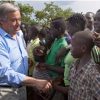
Sharing the Burden of Refugees; the World Can Do Better
As the world marks World Refugee Day on June 20th to celebrate the strength, courage and perseverance of refugees, a glaring concern remains just how inadequate the global response to the refugee crisis has been.
Poor Outlook for HIV-positive Children in Pakistan
Over 785 people have been diagnosed with HIV in Larkana, Pakistan. 82% of those individuals are children, and only half are receiving the treatment they need.
U. S. Backing for Heated Tobacco Products Triggers Misrepresentation
The U.S. Food and Drug Administration’s (FDA) decision authorizing the sale of Philip Morris International (PMI)’s heated tobacco system, IQOS, in the United States inadvertently puts a foot in the door to increase sales of new tobacco products in the developing world.
Dignity & Strength for Venezuelan Refugees & Migrants in Colombia
Not long ago, 15-year-old Nelsmar attended a middle-class school in central Venezuela. That was before her family was uprooted by the economic and humanitarian crisis in her country, which has pushed nearly 3.9 million persons to migrate or flee, according to recent estimates of the Coordination Platform for Refugees and Migrants from Venezuela.
Mothers in the US Are Dying: What Are We Doing to Save Them?
The maternal mortality rate in the United States is the highest of any developed country – and the rate is rising. The US is currently the most dangerous place to give birth in the developed world.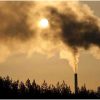
We Must do More to Speed up Ending Fossil Fuel Subsidies
Fossil fuels—oil, gas, coal and their derivatives—pollute the atmosphere and emit the greenhouse gases that are ramping up global heating to dangerous levels. But did you know that governments around the world are subsidizing this pollution?
An Escalating War on Reproductive Rights
Abortion has long been a contentious issue across the world, and the debate is only heating up, prompting women to stand up and speak out for their reproductive rights.
Exploitation and Acculturation
There are several means to make profitable use of other human beings, an endeavour that tends to turn others into tools by depriving them of their roots and self-respect. This happened in concentration - and work camps, where individuals were reduced to mere numbers.
The World Made Promises to Women and Girls, We Must Fulfil Them
In 1994 the International Conference and Population and Development (ICPD) was hosted in Cairo by the Government of Egypt. Twenty-five years later, Kenya is ready to convene the ICPD “Nairobi Summit” in November 2019.
Preventing Antibiotic Resistance: Look to the Livestock Industry
Antimicrobial resistance is quickly becoming a global crisis and risks reversing a century of progress in health. Some organisations have already geared up and are tackling the issue from its roots.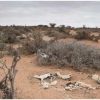
Global Hunger Is Threatening Families Because of Climate Change
There is barely a corner of human life that will not be affected by climate change, and some of its impacts are already being felt. Consider this, 821 million people are now hungry and over 150 million children stunted, putting the hunger eradication goal, SDG 2, at risk. Today 15 May, is the United Nations International Day of Families and the theme for this year is, ‘Families and Climate Action’.
Opting In: The Value of Vaccines
Since the introduction of vaccines, diseases such as measles and polio were quickly becoming a thing of the past. However, the world’s progress on immunisation is now being threatened.« Previous Page — Next Page »


 Bangladesh: Sarid, born one month early, receives specialized newborn care and grows stronger every day. Credit: UNICEF/UNI944397/Mojumder
Since the onset of the 2000s, global life expectancy has seen an overall rise, attributed to significant technological and scientific innovations in healthcare. Due to an increased understanding of different conditions as well as a rise in cooperation among healthcare experts around the world, there have been major strides made in ensuring that as few people die from chronic illnesses as possible. Despite the belief that healthcare is a fundamental human right, people from low- or middle-class backgrounds, marginalized groups, and underdeveloped countries have far more limited access to basic healthcare services.
The COVID-19 pandemic showed how marginalized communities are disproportionately affected by health crises, proving that we have much work to do in ensuring that no one dies of terminal conditions. While the global response to the coronavirus saw significant strides in immunization and vaccine development, the global outbreak of mpox in 2022 and its upsurge in parts of Africa in 2024 must remind us to remain vigilant.
Other major disease outbreaks in recent years have been linked to the destruction of infrastructure during warfare. Notably, in 2024, the Gaza Strip witnessed a return of the poliovirus since its eradication in the region 25 years ago. Israel’s blockade on Gaza has resulted in the collapse of the region’s sewage plants and desalination plants, and also destroyed healthcare capacities. The UN stated that this lack of clean water and sanitation would lead to an outbreak of cholera and other deadly infectious diseases. The 2026 OCHA Humanitarian Situation Report confirmed that the over two years of conflict in Gaza has produced a catastrophic health emergency, with millions remaining dependent on relief aid amid tight restrictions and no functioning public health system.
IPS is committed to providing full and comprehensive coverage on healthcare challenges around the world. IPS seeks to address the multifaceted causes of such challenges, including unprecedented pandemics, conflict-driven disease outbreaks, as well as socioeconomic barriers to equal healthcare access. IPS is also dedicated to reporting on innovations in the healthcare industry.

The Week with IPS

NEXT STOP - SDGs
Tracking global progress towards a sustainable world
Tracking global progress towards a sustainable world
