
Thursday, November 12, 2026



News and Views from the Global South
Indigenous Rights
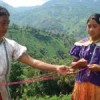
CLIMATE CHANGE: Latin American Women Want Modified Trade Rules
"We don't need to change the climate, we need to change trade," said Brazilian activist Marta Lago at Klimaforum, the civil society meeting held in parallel with the climate change summit in the Danish capital.
CLIMATE CHANGE: No Closed Doors at Parallel Summit
Two blocks from the Metro station on the busy M-1 Line, the first indication that pedestrians are slipping into the space-time continuum known as the "Free City" is the ubiquitous graffiti and occasional "boom!" of small explosive devices like M-80s echoing through the cobbled streets.
RIGHTS-TURKEY: Jailing Kurdish Children to Undermine Dissent
Turkey is signatory to the United Nations Convention on the Rights of the Child, but that does not stop minors in the country's Kurdish dominated eastern and southeastern regions from ending up with stiff jail sentences.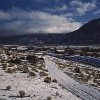
U.S.: “We All Breathe the Same Air and Drink the Same Water”
Some 8,000 kilometres from the Climate Change Conference in Copenhagen, Native American environmental experts from 66 tribes came together at a summit here this week to address the most pressing needs in their communities - problems, all emphasised, that know no geographic boundaries.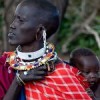
CLIMATE CHANGE: “We Are a Harbinger of What Is to Come”
A small group of indigenous people have travelled here to the historic Copenhagen climate talks to show negotiators dramatic documentary videos they made about the immediate impacts of climate change on their homelands and way of life.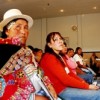
BOLIVIA: Women Clamour for Right to Land
Despite major advances in land distribution in Bolivia, single, widowed and undocumented women in this South American country have little chance of owning rural land due to the patriarchal traditions and customary practices of indigenous peoples, in violation of international instruments and conventions protecting women’s rights.BALKANS: Apologising to Sterilised Roma Women – Slovakia’s Turn
Rights activists are hoping a landmark announcement by the Czech government regretting forced sterilisation of Roma women in the past will push politicians in neighbouring Slovakia to follow suit.
SRI LANKA: The Long Road to Normalcy in War-Ravaged Zones
Despite the recent accelerated return of tens of thousands of war-displaced civilians to their former villages in northern Sri Lanka and the impending relaxation of further restrictions, aid agencies say far more efforts are needed to help the civilian population regain normalcy lost to decades of conflict.TURKEY: NGOs Unite to Demand Say in Human Rights Bill
Turkey’s new human rights bill has a flaw – not a single rights group was consulted in the drafting.Q&A: ‘MDGs Don’t Recognise Role of Human Rights in Poverty Fight’
As the number of people living in poverty swell to over two billion, Amnesty International Secretary-General Irene Khan makes a strong argument for human rights to be made central to development and eradication of poverty.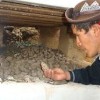
PERU: Fighting Hunger with Native Crops
As if he were showing off a treasure, Dionicio Sarmiento holds up his seed potatoes with a smile. "Look how nice they are, all ready to plant. It'll be a good harvest," says the peasant farmer from Huancavelica, Peru's poorest province, where most of the population depends on subsistence farming.CHILE: Mapuche Detainees Say They Were Framed
"This lie has got to end," said a sobbing Luisa Marilef, a 55-year-old Mapuche woman who says her son's arrest and prosecution under Chile's anti-terrorism law was part of a set-up by the police and prosecutors.
ENVIRONMENT: Listen to the Earth, Say Indigenous Peoples
The idea of wilderness is "an interesting concept; it is a Western concept. Our people have always lived and interacted in the environment," said Illion Merculieff, an environmental activist from the Aleut community in the north-western U.S. state of Alaska.SRI LANKA: Plans to Release Tamils ‘Nothing But a Political Ploy’
By January 2010 they will be returning to their homes in war-torn areas.CLIMATE CHANGE: Small Islands Fear Going the Way of Atlantis
The world's small island states, most of which are painfully vulnerable to the ravages of climate change, have put the United Nations on notice.PHILIPPINES: Storm-Hit City under Constant Threat of Landslides
The storm has long subsided, and the torrential rains—which battered this city known for its pristine charm and stately pine trees last month—have been gone for weeks.U.S.: Supreme Court Punts on “Redskins” Case
The ongoing drive to purge derogatory American Indian nicknames and mascots from U.S. sports and schools took a minor hit Monday when the U.S. Supreme Court declined, without comment, to hear an appeal challenging the trademark protecting the name of the National Football League's Washington Redskins.
CHILE: Mapuche Voices from Prison
"If the government says let's sit down and try to reach a solution, we'll be there," Héctor Llaitul, a leader of the radical Mapuche organisation Coordinadora Arauco Malleco (CAM), who is in prison in the southern Chilean region of Bío-Bío, told a group of foreign correspondents.CLIMATE CHANGE: Signs and Portents of a Hostile New World
Lawrence Amos travelled from the Arctic at the top of the world to the tropical middle to recite in a soft voice the ongoing destruction of his home by climate change.
PARAGUAY: Indigenous Women Leaders Buck Discrimination
More and more indigenous women in Paraguay are overcoming sexist resistance in their communities and emerging as leaders within and outside of their villages, fighting for the rights of their people and against discrimination.
INDIA/CHINA: Dalai Lama’s Border State Visit: Purely Spiritual?
It is hard to say whether the Dalai Lama’s sojourn this week in India’s Arunachal Pradesh state—which China claims as southern Tibet—is a purely spiritual exercise or a trip with a deep political mission.« Previous Page — Next Page »


The planet's roughly 350 million indigenous peoples took notable steps on the international stage in the last decade. They got the world's governments to agree to create a body to represent them at the United Nations, the Permanent Forum on Indigenous Issues, and to appoint a special rapporteur responsible for their human rights. In 2007 a Universal Declaration on the Rights of Indigenous Peoples was approved by the UN. Yet the living conditions of most "tribal", "aboriginal", "native" or "first" peoples remain precarious. IPS, with its network of contributors at the UN and linked to indigenous communities worldwide, is committed to tracking the world community's efforts to do justice to the rights and aspirations of these peoples, with a special current focus on Latin America's 40 million rural indigenous peoples.

The Week with IPS

Tracking global progress towards a sustainable world
