Languages
Wednesday, August 19, 2026



News and Views from the Global South
Natural Resources
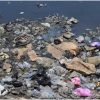
Plastic: The Largest Predator in Our Oceans
Plastic pollution is currently the largest global threat to marine life. Each year, 10-20 million tonnes of plastic ends up in our oceans, killing approximately 100,000 marine mammals and over a million seabirds.
Lithium and Clean Energy in Argentina: Development or Mirage?
The intense white brightness of the salt flats interrupts the arid monotony of the Puna in northwest Argentina, resembling postcards from the moon. Beneath its surface are concealed the world's largest reserves of lithium, the key mineral in the transition to clean energy, the mining of which has triggered controversy.
Fostering Sustainable Urbanization and Rural-Urban Linkages
As urbanization continues apace, coupled with rapid population growth and rural to urban migration, the challenges for inclusive rural transformation continue, and the importance of fostering improved rural-urban linkages for better food systems becomes increasingly important.. According to the UN, by 2050 some 66% of the world’s population of 9 billion is expected to live in urban areas. Such rapid urbanization is increasingly shaping the rural space and rural livelihoods (through markets, demand for agricultural goods and labour, migration, and through the provision of services to rural areas). It is therefore critical for the increasing emphasis on urban development to take into account the importance of rural development.
The Adaptive Age: No Institution or Individual can Stand on the Sidelines in the Fight Against Climate Change
When I think of the incredible challenges we must confront in the face of a changing climate, my mind focuses on young people. Eventually, they will be the ones either to enjoy the fruits or bear the burdens resulting from actions taken today.
What Do We Want from Our Oceans?
This is a question we need to ask ourselves but before answering we need to acknowledge the diversity of expectations and aspirations that we all have for oceans, which cover more than two-thirds of the planet’s surface.
World’s Crisis-Stricken Oceans Doomed to Destruction Without a Global Treaty
The greatest single climate-induced threat facing the world’s 44 small island developing states (SIDS) is rising sea waters which could obliterate some of the low-lying states, including Maldives, Marshall Islands, Kiribati, Nauru, Solomon Islands, Tuvalu, Palau and Micronesia.
Under Pressure. Can COP25 Deliver?
Mass public pressure backed by the weight of scientific reports is starting to bring governments to their senses as the annual UN climate summit kicks off in Madrid today.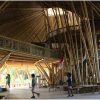
Green Steel
How Indonesian craftsmanship is undergoing a revival at the world’s first ‘bamboo university’. It’s fast-growing, flexible and strong. Standing underneath a bamboo canopy, it is easy to understand why people have been using this grass plant for years, in the construction of houses, bridges and scaffolding.
Winning the ‘No Food Loss’ Battle: The Case of Japan
Humankind since almost the time that there is recorded history has grappled with the question of ‘how many is too many?’ The response is expectedly complex as it varies across time and space. The pace of population growth was slow till about approximately 250 years or so. It is only since the middle of the eighteenth century that there has been a palpable acceleration in population growth.
The Ocean in Us: Ocean Action for Climate Ambition
In just under a month, countries around the world will gather for UNFCCC COP 25. The hashtag for this year’s “Blue COP” is yet another reminder to us all that it is “Time For Action”. We can no longer afford to wait as the effects of the climate crisis become ever more present. Vulnerable populations, whether from Small Island States, the rural heartland or the world’s megacities, are becoming ever more vulnerable, and the wellbeing of people and planet continues to face its most existential threat.
Los Angeles Joins a Global Movement to Protect Human Right to Water
On November 6, Los Angeles became the first major city in the United States to earn the designation of “Blue Community” – a bold move that will keep water protected from privatization.
Climate Change to Further Escalate Violence in Western Africa
Nearly 50 million people in west Africa rely on agriculture and livestock for their livelihood but the land available for pastoral use has been rapidly shrinking.
Free Trade is Dead
In recent years, global trade and trade policy have become central socio-political issues. The planned EU-US trade agreement TTIP triggered an unprecedented storm of indignation and resistance.
Africa’s Mineral Wealth May Just have to Stay in the Ground to Protect a Changing Climate
As a result of climate change, resource extraction industries in Africa will be impacted by asset stranding, researchers say.
Nature’s Solution to Climate Change
When it comes to saving the planet, one whale is worth thousands of trees.
Africa’s Industrial Development: Turning Challenges into Opportunities
When world leaders gathered in New York for the 70th session of the General Assembly back in 2016, and proclaimed the period 2016-2025 as the Third Industrial Development Decade for Africa (IDDA III), it reaffirmed the importance of industrialization in supporting Africa’s own efforts towards sustained, inclusive and sustainable economic growth and accelerated development.
World’s Whale Population Struggles to Recover from Carnage Amid Serious Concerns
Sri Lanka is endowed with an impressive and large concentration of whales off its shores and it is believed they are not a population that migrates seasonally. 26 species have been spotted in Sri Lankan waters, including the massive blue whales.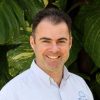
Translating Ambition to Action: High Hopes for United Nations Action Week
In less than 10 days, countries from around the planet will come together in New York for the United Nations Secretary General’s Climate Action Summit. I look forward to representing the Pacific Community (SPC) at this important event, and throughout “Action Week” during the upcoming UN General Assembly.
Exclusive: Winnie Byanyima Speaks about Inequality in Africa and Next Steps at UNAIDS
 While the 28th World Economic Forum (WEF) on Africa is being held in Cape Town, South Africa this week, the international aid and development charity Oxfam released its latest report: A tale of two continents: fighting inequality in Africa.
Is the UN’s High Seas Treaty Heading Towards Troubled Waters?
The world’s high seas, which extend beyond 200 nautical miles, are deemed “international waters” to be shared globally-- but they remain largely ungoverned.
Ugandan Students Turn Waste to Wealth
Namugongo is a lush, forested community in central Uganda where tall trees are home to colourful birds and noisy monkeys. The community has a tragic place in history: on 3 June 1886, 22 Ugandan Christian converts were publicly executed, on the orders of King Mwanga II of the Buganda Kingdom, in an attempt to ward off the influence of colonial powers with whom the Christians were associated.« Previous Page — Next Page »


Large reserves of oil, gas and minerals in poor countries generate opulent revenues. They could be used to stimulate economic growth and reduce poverty, but often result in environmental destruction and conflict, benefiting large companies and corrupt governments. IPS covers news about major oil, gas and mining projects, their effects on the environment and local communities, and the ideas and actions of the interest groups involved.

The Week with IPS

NEXT STOP - SDGs
Tracking global progress towards a sustainable world
Tracking global progress towards a sustainable world
