Languages
Thursday, November 19, 2026



News and Views from the Global South
Human Rights

Why the Flooding in Grenada is a Clear Reminder of its Vulnerability to Climate Change
Grenada is still tallying the damage after heavy rainfall last week resulted in “wide and extensive” flooding that once again highlights the vulnerability of Small Island Developing States (SIDS) to climate change.
IOM: USD 45 Million Needed for 2018-2020 Migrant Response in Horn of Africa, Yemen
IOM, the UN Migration Agency, and its partners launched, on 6 August, a Regional Migrant Response Plan (RMRP) for the Horn of Africa and Yemen through which they are appealing to the international community for USD 45 million. The plan details support to migrants on the move in the Horn of Africa and Yemen from 2018 to 2020.
World Day for Indigenous Peoples
 370 million self-identified indigenous peoples are spread across the world, but continue to face discrimination and marginalization.
Dispossessed of their lands, territories and ancestral resources, these people have increasingly been forced to give up their way of life, and have been pushed into unfamiliar worlds to survive.

How the Yanadi, an Oppressed Indigenous People in India, are Reclaiming Their Rights One Village At a Time
Under the blazing midday sun, a tractor moves slowly along a dirt trail in Nacharwari Pallem, a village of the Yanadi indigenous people located some three hours from Chennai city in South India. Atop the tractor, women of the village – 36 in all – sit expectantly, ignoring the heat. Squeals of excitement fill the air as the tractor slowly halts near a stretch of rice fields.
Dispatch from Ghardaïa: Meeting Bintu at the ‘Door to the Desert’
The buses left Algiers almost a day ago. Although the buses are comfortable, it has been a long day on the road for everyone.
Farmer-Herder Conflicts on the Rise in Africa
Violent clashes between farmers and herders in Nigeria’s Middle Belt in June reminded me of a smelting hot afternoon a year ago. I was sitting in my living room watching a herder grazing his cows in my yard in the small town in southwestern Cameroon where I live.
Winds of Change on Kenya’s Northern Borders
Previously characterised by belligerence, based on competition for resources, the border regions of Eastern Africa can sense the blissful wind of peace approaching.
“Outrage is Appropriate, Surprise is Not”: Tackling Sex Abuse in the Aid Sector
A new report on the scale and extent of sexual abuse and exploitation in the aid sector should come as no surprise. It is now time for international agencies, including the UN, to step up and show some much-needed leadership to tackle this issue once and for all.
Helping Indigenous Peoples Live Equal Lives
Although indigenous peoples are being increasingly recognised by both rights activists and governmental organisations, they are still being neglected in legal documents and declarations. Indigenous peoples are only mentioned in two of the 17 United Nations’ Sustainable Development Goals (SDGs) and only seen in two of the 230 SDG indicators, says indigenous rights expert Chris Chapman.
Protecting the Rights of Indigenous Peoples as They are Forced to Move into Cities
On Aug. 9 the observance of the International Day of the World’s Indigenous Peoples will take place in the Economic and Social Council Chamber at the United Nations Headquarters in New York, bringing together U.N. agencies and member states, civil society and indigenous peoples’ organisations.
Laws and Threats Undermine Freedom of Expression in Honduras
A series of laws that came into force in the last five years and the petition for amparo by 35 journalists and 22 social communicators against the government's "Secrecy Law" give an idea of the atmosphere in Honduras with regard to freedom of expression.
Trump’s Attacks on Media Violate Basic Norms of Press Freedom, Human Rights Experts say
U.S. President Donald Trump’s repeated attacks on the free press are strategic, designed to undermine confidence in reporting and raise doubts about verifiable facts. The President has labelled the media as being the “enemy of the American people” “very dishonest” or “fake news,” and accused the press of “distorting democracy” or spreading “conspiracy theories and blind hatred”.
Social Cohesion Through Filmmaking
"I want to talk about my journey. Three years ago, I came alone all the way from Darfur, Sudan. I left my family who still live in a refugee camp in Chad." Abas, 23, a participant from our filmmaking workshop in Geneva, Switzerland.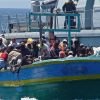
Save the Children Warns Untraceable Minors in Italy May be Trafficked
Thousands of migrant minors placed in reception facilities upon arrival in Italy, as a first step in identification and later relocation into other structures for asylum seekers, are untraceable and feared trafficked.
Jalalabad Attack Claims Life of IOM, IRC Colleagues Among Civilians
It is with profound sadness that the United Nations family in Afghanistan confirms that an employee of the International Organization for Migration (IOM) was killed in yesterday’s attack on the Department of Refugees and Returnees in Jalalabad.
Zimbabwe’s Election of Great Expectations
Counting is underway today across Zimbabwe as the country voted in an historic election on Jul. 30, which many expect will bring political and economic transformation. It is a long-awaited change for many after autocratic leader, Robert Mugabe, was ousted in a soft coup in November 2017 after 37 years in power.
“I never planned to migrate, but it was my destiny.” Victims of Trafficking Start Over in Mauritania
Since 2015 IOM, the UN Migration Agency, has been assisting victims of human trafficking in Mauritania. Sahel populations have always been very mobile, but in recent years a complex economic situation and the difficulty of finding jobs has pushed more and more people to seek jobs abroad. Unscrupulous traffickers seize on this desperation by promising men and women well-paid stable jobs away from home. Instead, these migrants wind up working under inhumane conditions for families who cannot protect their interests and do not care about their well-being. Deprivation, humiliation, hardship, restricted movement and limited communication with their families become the new norm for those who excitedly embarked on an adventure, with hopes of a brighter future.
IOM: Most Victims Trafficked Internationally Cross Official Border Points
On the occasion of World Day against Trafficking in Persons (30/07), new data released by IOM, the UN Migration Agency, show that in the last ten years, almost 80 per cent of journeys undertaken by victims trafficked internationally cross through official border points, such as airports and land border control points.
Global Compact & the Art of Cherry-Picking Refugees
When Secretary-General Antonio Guterres was asked about the legality of the UN’s much-ballyhooed Global Compact for Migration, he was initially evasive in his response. “I’m not a lawyer”, he told reporters July 12, “and I presume that this question might be better asked from a lawyer”.
Pakistan’s Vote – a Loud and Clear Message that People Want Democracy at Any Cost
Voters in Pakistan’s general election outrightly rejected political parties with extremism records and candidates linked to banned terrorist groups, opting instead to back liberal forces in a support for peace.
States Must Treat Refugees & Migrants as Rights Holders & Prevent Trafficking & Exploitation
States around the world must act now to strengthen their efforts to prevent and combat trafficking in human beings, including by ensuring that victims and potential victims are considered and treated as rights holders. Many people who fall prey to traffickers are migrants, including refugees and asylum seekers, who have decided to leave their country for various reasons, such as conflict, natural disaster, persecution or extreme poverty.« Previous Page — Next Page »


One world, one humanity, now one court to defend its rights. Another step towards universal human rights, but not remotely a step far enough. The United Nations adopted the Universal Declaration of Human Rights more than half a century ago, but that has done little to stop violations the world over, just as the Geneva Convention has not protected prisoners of war enough. Democracy itself and the freedom it presupposes has not been protective enough. This is the century to move from politicisation of human rights towards humanising political ways. IPS keeps an eye on that difficult path.

The Week with IPS

NEXT STOP - SDGs
Tracking global progress towards a sustainable world
Tracking global progress towards a sustainable world
