Languages
Monday, September 21, 2026



News and Views from the Global South
Poverty & SDGs
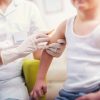
Preventing a Measles Outbreak—the Shared Responsibility of Vaccination
Measles infections are surging right now, with epidemiologists reporting that the number of large or disruptive outbreaks has tripled over the past three years. It is one of the most infectious diseases that we know. The virus spreads through respiratory droplets; when an infected person coughs or sneezes, it can linger in the air for up to two hours and infect 10 others who are not immune.
Food Security in Latin America and the Caribbean: Progress, Challenges and the Commitment to Move Forward
The latest publication of the State of Food Security and Nutrition in the World 2024 (SOFI) report launched last July in the framework of the G20 meeting in Rio de Janeiro provides a detailed overview of progress and setbacks in the fight against hunger.
Tackling Climate Change Will Be a Pyrrhic Victory If We Lose Sight of the Poor
Last July, we were confronted with alarming statistics: 733 million people experienced hunger in 2023, equivalent to one in eleven people globally. In Africa it was even higher, with one in five people going hungry. Climate change is a significant driver of this crisis.
Global Poverty Grows as Super-Rich Get Richer Faster
Oxfam expects the world’s first trillionaire within a decade and poverty to end in 229 years! The wealth of the world’s five richest men has more than doubled from 2020, as 4.8 billion people became poorer.
Fast-Acting Interventions Needed for Sudanese Refugee Children as Needs Outpace Response
As peace eludes war-torn Sudan, thousands of displaced people fleeing the deadly battle between the Sudanese Armed Forces (SAF) and Rapid Support Forces (RSF) have found refuge in neighboring countries, including Egypt.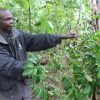
Uganda Coffee Smallholders Grapple With EU Regulations on Imports
In Kubewo village in eastern Uganda, children often go to work with their parents in the coffee gardens. Earnings from Arabica coffee are used, their parents and grandparents say, to pay for children’s education and other expenses for the family.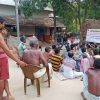
Transforming India’s Villages Through Innovative Water Harvesting Techniques
Brij Mohan, a 37-year-old farmer from Deoria, a modest village in India’s northern state of Uttar Pradesh, has a story of resilience and transformation. Mohan, the lone breadwinner for his family, has two children, the eldest just 10 years old.
Gender Equality Has Everything To Do with Climate Change
After years of reporting on the frontlines of climate change, I have witnessed the devastating impact extreme weather events have on women and girls. In Kenya’s pastoralist communities in far-flung areas of Northern Kenya, West Pokot, Samburu and Narok counties, droughts mean a resurgence in harmful cultural practices such as outlawed female genital mutilation (FGM), beading and child marriages.
UN’s Summit of the Future
Preparations are ongoing for the upcoming Summit of the Future, probably the most consequential initiative of UN Secretary General Antonio Guterres so far.
More Poverty for the Poor
Many low-income countries (LICs) continue to slip further behind the rest of the world. Meanwhile, people in extreme poverty have been increasing again after decades of decline.
Women & Girls Find their Sexual & Reproductive Health on the Frontlines of a Battle they Didn’t Start
Droughts, cyclones, floods and extreme temperatures – these are the ‘new abnormal’ of a world in which weather-related events are becoming increasingly prolonged, intense and frequent.
Adding Life to Years – Demographic Change in Asia and the Pacific
World Population Day on 11 July provides an excellent opportunity to take stock and look ahead regarding population issues that are affecting all aspects of society in Asia and the Pacific.
While Global Population is Rising, East Asia is Shrinking
Across East Asia, birthrates are plummeting. Japan’s has been falling for eight straight years and recently hit a record low of 1.2 children per woman, the lowest since record keeping began in 1899.
Justice, not Impunity, for Sexually Assaulted Indigenous Girls in Peru
The main fear facing women leaders who have denounced the systematic rape of girls from the Awajún indigenous people in the northeastern Peruvian department of Amazonas is that, despite the media coverage and sanctions announced by the authorities, it will all come to nothing.
A Tax on the Super-Rich to Fight Hunger Gains Ground
A global agreement could levy a small tax on the world's 3,000 richest people, with fortunes in excess of US$ 1 billion, and use the money to fight world hunger, a study by the Brazilian government and the European Union's Tax Observatory has shown.
Fiscal Reform Can Help Dominican Republic Attract Greater Investment
The Dominican Republic leads Latin America in GDP growth, with an average annual rate of around 5 percent per year since the 1970s. The Caribbean nation has made great strides in reducing poverty and improving living standards.
Bangladesh Can Boost Growth & Climate Resilience by Investing in Women
Bangladesh has made major gains for its population, the world’s eighth largest with more than 170 million people. Per capita incomes, one of the best measures of broad economic well-being, have risen seven-fold in the past three decades while poverty has been reduced to a fraction of former levels.
Youth Speak Out Against Big Tobacco
Each year, millions of children worldwide fall prey to the targeted tactics of the tobacco industry in its attempts to lure new customers. This year’s World No Tobacco Day (May 31), aptly themed “Protecting children from tobacco industry interference”, saw global youth unite to confront the pervasive influence of Big Tobacco.
Bringing Drought and Floods, El Niño Hits the Most Fragile in Southern Africa
Kaponde Likando does not know how his family will survive until the next farming season. “We are not going to have anything (to harvest),” said the 60-year-old from Chingobe village in southern Zambia after his maize, sorghum, groundnut and sweet potato crops failed. “This has been the very opposite of what we expected.”
Commonwealth Secretary-General Calls for Concrete Finance Commitments for Small Island Developing States
Commonwealth Secretary-General Baroness Patricia Scotland is calling for concrete commitments to climate finance that will acknowledge the multi-dimensional vulnerability faced by the world’s small island developing states (SIDS).
Reclaiming the Narrative in African Philanthropy: A Community-Based Organization’s Perspective
In recent years, the African philanthropy landscape has been undergoing a profound transformation. Or has it? Historically, the narrative of aid and development in Africa has been dominated by external donors and International Non-governmental Organisations (NGOs).« Previous Page — Next Page »


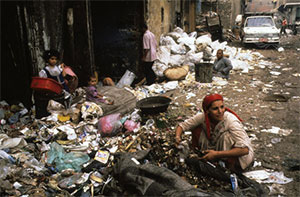 Romani people in Cairo, Egypt, forage through trash. Credit: UN Photo/Armineh Johannes
In 2015, the United Nations adopted the Sustainable Development Goals (SDGs) in an effort to promote “peace and prosperity for people and the planet.” To achieve that goal, it is essential to provide equal opportunities and access to basic services to all people. The 2025 UN SDG Report found that 35% of the 169 SDG targets are on track or making moderate progress, while 18% have reversed compared to the 2025 baseline. One in ten people still live in extreme poverty, one in eleven experience food insecurity, and over 1.1 billion people live in slums without access to clean water and sanitation. It is imperative to acknowledge the societal, technological, economic, and political issues that sustain poverty in countries around the world. Eradicating poverty will require significant frameworks in policy and governance on a national and international scale to ensure that all people will have equal access to basic services and economic opportunities by 2030. Furthermore, a dramatic reduction of United States foreign aid in 2025, including the termination of 83% of USAID programmes, threatens to erode years of fragile development gains.
Throughout the world, violent conflict and natural disasters also contribute to extreme poverty. The complete destruction of infrastructure and blockage of aid has significantly impoverished Palestine since October 7th. The destructive impact of Hurricane Maria in Puerto Rico left $91 billion in damage. An inadequate US government response also revealed significant and enduring questions within the issue of mitigating poverty: how do we rebuild infrastructure after its destruction? How do we restimulate economic development and bring in financial aid after disasters? Similar questions have been raised in the realm of regional cooperation, as devastating floods have wrecked hundreds of thousands of homes across multiple Southeast Asian nations in the past few years. Furthermore, the COVID-19 pandemic has greatly exacerbated the global poverty crisis, particularly in developing countries, setting back the United Nations goal of eradicating poverty by 2030.
IPS is committed to providing comprehensive features that focus on the persisting environmental, sociopolitical, and systemic issues that sustain poverty, and the steps taken worldwide towards poverty eradication.

The Week with IPS

NEXT STOP - SDGs
Tracking global progress towards a sustainable world
Tracking global progress towards a sustainable world

