
Tuesday, September 1, 2026



News and Views from the Global South
South-South
Questions Abound Over Whether IBSA and BRICS Can be Complementary
The IBSA Dialogue Forum, a South-South alliance of India, Brazil and South Africa, could be better suited to the needs of Southern Africa for South-South cooperation than the BRICS (Brazil-Russia-India-China-South Africa) loose alliance of emerging economies. But Southern Africa will have to beef up its markets to truly benefit.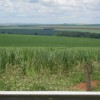
Sugar Cane and Ethanol Boom Drives Development in Southern Brazil
The roads are exceptionally good and numerous here, in contrast with other parts of Brazil, but the monotony of the landscape is not inviting to tourists. Sugar cane fields stretch to the horizon along a 400-km stretch of highway to the north of São Paulo.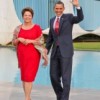
BRAZIL-US: Libya Attack Sours Obama-Rousseff Meeting
The first black president of the United States visited the first woman president of Brazil: their meeting resulted in modest progress in bilateral relations, but a bitter taste could not be avoided over the announcement, in Brazil, of the U.S.-led air attack on Libya.
INDIA: Engaging Africa With Software and Soft Power
India cannot match China’s massive investments in Africa, but it is using its information technology capabilities and its affordable university courses to stay relevant on the continent.Malawi Donor Funding Threatened by Rights, Governance Issues
Malawi is bracing itself for difficult economic times following a decision by the country’s main donors to withhold financial aid amounting to $400 million. Donors say they are responding to a range of governance and human rights issues in the country.
TRADE: Chic Carpets Link Mozambique, Denmark and, Soon, Brazil
In two rooms in a small Mozambican coastal town, 70 women are cutting, weaving and packaging fabric carpets destined for eclectic design and homeware stores in Denmark and, soon, Brazil and South Africa.
SOUTHERN AFRICA: Non-Tariff Trade Barriers Springing Up
Despite regional initiatives that even include the eventual possibility of a ‘‘Cape- to-Cairo’’ free trade area, protectionist impulses have caused non-tariff barriers to spring up across Southern Africa.IBSA Together in Resisting No-fly Zone
India has found backing at this week's India-Brazil-South Africa (IBSA) ministers meeting for its stance that a no-fly zone over Libya must follow multilateral consultations.Brazil Opposed to Military Options in Libya Crisis
Brazil, firmly opposed to a militarisation of the crisis in Libya and in favour of negotiated solutions without foreign intervention, is heading to a Mar. 7-8 ministerial meeting with India and South Africa.BRAZIL: Rural Women Protest Use of Toxic Agrochemicals
Thousands of women farmers in Brazil demonstrated this week against the use of toxic weedkillers and pesticides on crops and in favour of agricultural techniques that protect their families' health.ECONOMY: Size Is Key Factor in Emerging Powers
Two decades ago, Japan was the main threat to U.S. global economic dominance, but this challenge waned before the advent of the 21st century. Now China and India are the new champions of growth, with the clear implication that population size is a decisive factor in their rise to power.UGANDA: Kato Murder Re-ignites Gay Rights Debate
For the government of Uganda, the timing of David Kato's death couldn't have been more unfortunate. Kato was killed on Jan. 26, a national holiday to commemorate the ascent to power of the ruling National Resistance Movement party.ARGENTINA: Progress in the Fight for Gender Identity
"In my family, they always saw me as a girl, but at school they called me by my boy's name, which is why I dropped out," Paula Sosa, a transvestite who recently managed to change her name on her identity document, told IPS.ECONOMY-LATIN AMERICA: The Downside of Strong Currencies
Latin America returned in 2010 to the strong economic growth it enjoyed over the past decade, after only a minimal slowdown during the global crisis that broke out in 2008. But the weakness of the dollar relative to local currencies is a cause for concern among governments and sectors that produce goods for export.ARGENTINA: Boom in Gay-Friendly Theatre
The nearly 200 theatres in the Argentine capital have been staging an increasing number of plays exploring gender identity or specifically gay issues in recent years, in mainstream, fringe and state-run productions.BRAZIL: Lending a Hand to Less Developed Countries
Mothers' milk banks that are helping reduce infant mortality in Guatemala and are starting to be set up in Africa as well form part of the numerous social technologies developed by Brazil that are driving the fast growth of its international development cooperation.MALAYSIA: Muslim Gay Faces Govt Wrath
Muslim engineer Azman Ismail has sparked a huge storm of criticism, invited official censure and even death threats by going on YouTube.com and confessing that he is a gay.
HUMAN RIGHTS: Mauritian Sex Workers Demand Rights
"Sex workers rights are human rights", close to a hundred people shouted during a recent march in Rose-Hill, a major town in Mauritius. Their aim was to sensitise the population, particularly the parliamentarians, to the state of sex workers on the island.“Don’t Ask, Don’t Tell” Repeal Marks Rare Victory for Obama
The U.S. Senate's repeal of the military's "Don't Ask, Don't Tell" policy Saturday ended what had become for many an embarrassing and awkward policy - and marked a rare victory for the agenda of President Barack Obama in the U.S. Congress.ZIMBABWE: Sixteen Days of Activism Not For All, Say Police
Hundreds of residents from civil society organisations marched in the streets of Bulawayo on Dec. 1 to mark the 16 days of Activism Against Violence Against Women and Girls . But sex workers and members of gay groups were barred by police from joining the demonstration.
CUBA: Drag Queens and Volunteers Promote Safe Sex
Margot Parapar gets plenty of laughs from the audience with this joke: "Now the human body is divided into five parts: head, trunk, upper and lower limbs, and condom." Using his female stage name, Cuban drag queen, comedian and health promoter Oliver Alarcón includes HIV/AIDS prevention messages in his shows.« Previous Page — Next Page »


South-South cooperation – collaboration between developing countries - is a growing and dynamic phenomenon, an important process that is vital in confronting shared challenges. Led by emerging giants India, Brazil and South Africa (IBSA) the South is a tremendous source of tested solutions to development challenges including the Millennium Development Goals (MDGs). The Nairobi Outcome of the 2009 High Level United Nations Conference on South-South Cooperation in Nairobi, Kenya highlights growing political and economic ties within the developing world, as countries from the South assume leading roles in decision-making on hot global issues ranging from economic recovery to food security and climate change.

The Week with IPS

Tracking global progress towards a sustainable world
