Languages
Wednesday, October 28, 2026



News and Views from the Global South
Sustainable Development Goals
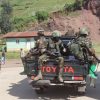
Civilians Face Humanitarian Disaster in Great Lakes, Horn of Africa Conflicts
Political instability and conflicts in the Great Lakes, the Horn of Africa, Sudan, and South Sudan have led to massive displacements and civilian suffering, and because the whole region is in crisis, the civilian population has few places to find refuge.
UN Ocean Conference Must Inspire Global Ambition
The United Nations Ocean Conference (UNOC) takes place every three years and in just a few weeks, the international community will gather in Nice, France, at a time when the International Science Council has called for the world to address the new reality of a disrupted Earth system.
Explainer: How Germs Outsmart Antimicrobials and Why It’s Making Us Sicker
More people are dying from once treatable infections because the medicines we rely on are no longer working as they should. The culprit? A growing health threat called antimicrobial resistance (AMR).
Seafood Without Transparency is a Recipe for Disaster
Seafood is a staple in my house – fish tacos, paella, sushi. But no matter how good it tastes, I can’t help but wonder: was my fish caught responsibly? Or did something go horribly wrong before it ever reached my plate?
Explainer: What Rural Communities in Tanzania Need to Know about Carbon Trading and Land Rights
As global demand for carbon credits rises, Tanzania has become a magnet for carbon offset projects. From Loliondo in Arusha to Kiteto in Manyara, foreign firms and conservation groups are looking for land to capture carbon and sell credits to polluting industries in the Global North. The growing interest in carbon trading has sparked hope, confusion, and concern— putting millions of hectares of village land and the livelihoods of people who depend on it at risk.
Health Workers in Conflict Zones Experience an Epidemic of Violence
The international community must take action to uphold international humanitarian law, say healthcare and rights advocates, as attacks on healthcare in war zones reached a record high last year.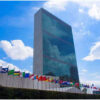
How Should the United Nations Respond to Its Funding Crisis?
The United Nations has been called many things in its time:
A Shift in the Sands: The Reshaping of Global Influence in the Gulf
The Gulf's most powerful weapon isn't a military, a United Nations (UN) Security Council seat, or a legacy of global diplomacy. Choosing multilateralism and mega-projects over militaries and old-world diplomacy, they are tipping the scale without firing a single shot. Their approach is more modern, where money, alliances, and an active vision for the future are the weapon of choice.
How Mangroves Save Lives, Livelihoods of Bangladesh Coastal Communities
Golenur Begum has faced 12 cyclones in her life. As a child, she witnessed her father’s house destroyed, and as an adult, she watched her home smashed. Saltwater brought by the tidal surges that accompanied the cyclones wrecked their farms and livelihoods. And with climate change, these impacts are becoming more intense and frequent.
U.S. Deported Bhutanese Refugees Cry–‘No Country To Call Home’
Sitting in his small hut in the Beldangi refugee camp in Jhapa district, Nepal, Narayan Kumar Subedi feels relieved that his son, Aasis Subedi, is safe. Aasis is one of four United States deportees who were the subject of Nepal's Supreme Court landmark ruling on April 24, which directed the government not to deport four Bhutanese refugees who entered Nepal in March of this year after being disowned by Bhutan. U.S. Immigration and Customs Enforcement (ICE) deported the four after they had lived in various parts of the United States for nearly a decade.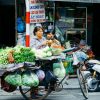
Asia-Pacific Region Moves into a Resilient Future with International Cooperation
As the United Nations celebrates its 80th anniversary, one message from the UN Charter remains particularly relevant: promoting cooperative solutions to international economic, social, health, and related problems.
Young Africans Priced Out of Cities as Urban Housing Crisis Deepens
After graduating in 2019, Jeremiah Achimugu left Sokoto State in northwestern Nigeria for Abuja, the nation’s capital, in search of better opportunities. But life in the city brought unexpected challenges, especially the high cost of housing.
Mask Off – Recapping the 2025 World Bank Land Conference
Last week, at its annual Land Conference in Washington D.C., (May 5-8), the World Bank showed allegiance to the new US administration by dropping the pretense of promoting land reform for climate action and confirming that its land agenda is about boosting corporate profits.
Amidst Choking Garbage, Locals Join Hands to Build a Zero-Waste Bali
It was Christmas Eve last year when visitors across several tourism hotspots in Bali woke up to a ghastly scene they hadn’t expected: layers of cans, bags, bottles, and driftwood covering their favorite sandy beaches, washed up by hours of rain and high tide. So bad was the situation that from Kuta to Legian and Seminyak to Jimbaran—none of the island’s picturesque beaches was clean enough to attract the visitors for a swim.
A Natural Disaster that Has Affected More People Worldwide Than Any Other
Here’s a question: Over the past 40 years, what natural disaster has affected more people around the globe than any other?
Hungary’s LGBTQI Amendment an Affront to Human Rights, Say Activists
A controversial amendment to Hungary’s constitution has left the country’s LGBTQI community both defiant and fearful, rights groups have said.
Former Energy Ministers from Saint Lucia and Uruguay Named REN21 Renewable Energy Champions
The Renewable Energy Policy Network for the 21st Century (REN21), a global network that advances renewable energy through collaboration and knowledge sharing, has named Dr James Fletcher of Saint Lucia and Dr Ramón Méndez Galain of Uruguay as its first Renewable Energy Champions.
Transitioning to a Circular Economy: The Future We Cannot Afford to Delay
From environmental degradation to biodiversity loss and mounting waste, we are facing the dire consequences of a reckless economic model that extracts, consumes, and discards. But there is an urgent alternative—one that is not just possible, but essential.
In Zimbabwe, Farmers Are Leading Scientific Research on Conservation Agriculture
Migren Matanga grew up shying away from small and traditional grains in Rushinga, in northern Zimbabwe. The 58-year-old mother of four from Toruzumba village relied on maize and cotton, one of the major cash crops in the area at the time.
From Pledges to Action: EU Ocean Leadership on the Line
If one so wished, it would be entirely possible to spend a lifetime travelling from one international environmental conference to the next, without ever returning home. But the relentless pace of these meetings does not always translate into equally rapid action.
World Press Freedom Day 2025
Call to Protect Elections from AI ‘Information Pollution’
The prevalence of artificial intelligence (AI) is changing the flow and access of information, which has a wider influence on how freedom of expression is affected. National and local elections can demonstrate the particular strengths and vulnerabilities that can be exploited as AI is used to influence voters and political campaigns. As people grow more critical of institutions and the information they receive, governments and tech companies must exercise their responsibility to protect freedom of expression during elections. « Previous Page — Next Page »





The Week with IPS

NEXT STOP - SDGs
Tracking global progress towards a sustainable world
Tracking global progress towards a sustainable world
