Languages
Saturday, August 15, 2026



News and Views from the Global South


UN Staff Put on Alert — as US Visa Holders Face Threats and Deportation
The Trump administration’s ground-rules are dangerously clear—and devastating. If you are a pro-Palestinian demonstrator, denouncing Israeli atrocities in Gaza, you are either a supporter of the “terrorist organization” Hamas or you are described as anti-Semitic veering on hate crimes liable for prosecution.
Forest Guards Risking Their Lives To Keep Malawi’s Forests Standing
In Malawi, being a forest guard isn’t a glamorous, sought-after job. And it has often been quiet, enjoying almost no publicity – until recently amid the worsening crashing down of the country’s forests, which is making the occupation increasingly perilous. In 2024 alone, a total of eight forest rangers got killed in separate incidents while in the line of duty, according to the Ministry of Natural Resources, which is responsible for the management of 88 forest reserves and 11 plantations across the country.
Global Climate Action Progressing, but Speed and Scale Still Lacking
2025 marks the tenth anniversary of the Paris Climate Agreement. One of its chief architects, Christiana Figueres, says the world is heading in the right direction but warns that urgent action is needed to close critical gaps. The pact, adopted in 2015 by 195 nations, set out to limit global warming to "well below 2°C" above pre-industrial levels, striving for 1.5°C. But in 2024, the world shattered records as the hottest year ever, surpassing that crucial threshold.
‘Student Protests Have Sparked Solidarity, Empathy and a Renewed Belief in Collective Action’
CIVICUS discusses recent protests in Serbia with Alma Mustajbašić, researcher at Civic Initiatives, a Serbian civil society organisation that advocates for democracy, human rights and citizen engagement.

Southeast Asia’s Economies Can Gain Most by Packaging Ambitious Reforms
Southeast Asia’s major economies have made major strides over the last couple of decades. The largest have seen income per capita grow at least three-fold over the past 20 years amid global integration and prudent policymaking.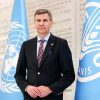
Water and Food Security in Europe and Central Asia: A Shared Challenge for a Sustainable and Just Future
Degrading soil, air pollution, vanishing biodiversity, emerging plant and animal health issues and more are coming together in the current situation of multiple crisis. Ensuring water security is just one, among the many challenges individuals, countries, and the world faces. Yet, we shouldn’t forget that water makes up the largest percentage of our bodies and the same applies to animals, plants and the planet’s surface. The threat of water insecurity is, as we all see, not a petty problem, but one of the greatest challenges of our century.
Latin America & the Caribbean in 2024: Renewable Energy and Early Warning Systems Offer Hope Amid Climate Extremes
Hope in the face of climate extremes. That is the overarching message about the State of the Climate in Latin America and the Caribbean in 2024.
Marley, Music, Morris, Life: A Photo Voyage in Paris
Reggae fans may be initially drawn just by the iconic image of Bob Marley on the Music + Life poster, but once inside this exhibition, they will find themselves immersed in a world of extraordinary photographs.
The Giant Plastic Tap: How art fights plastic pollution
"The size of the faucet highlights the magnitude of the problem. It makes the problem impossible to ignore. We're used to throwing things 'away'—but when we're confronted with what happens when 'away' is not an option, I think it creates an emotional wake-up call," says Benjamin Von Wong.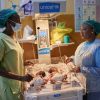
UNICEF Report Warns of Rising Rates of Child Mortality without Proper Funding
Despite levels of child mortality and stillbirths having significantly decreased since 2000, increasingly unequal and limited access to basic services around the world endangers millions of children around the world, a new report finds.
Building Resilience in Least Developed Countries – A Pathway to Sustainable Transformation
As the world grapples with overlapping crises—climate change, economic instability, and food insecurity—the 44 Least Developed Countries (LDCs) face existential threats that demand urgent, collective action.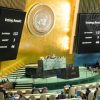
Indian Colonialism in Sri Lanka
Following independence from Britain, both India and Sri Lanka emerged as leaders of the Non-Aligned Movement, which sought to advance developing nations' interests during the Cold War. Indeed, the term "non-alignment" was itself coined by Indian Prime Minister Jawaharlal Nehru during his 1954 speech in Colombo.
Organic Fertilizers Prove Effective on Tea as Farmers Abandon Synthetic Inputs
On the outskirts of Kericho town within Kenya’s Rift Valley region, Kaptepeswet tea farm, an organic tea estate sprawling on a 50-acre piece of land, is a testament that organic fertilizers can be used on mature tea bushes and still produce the desired quantity and quality of premium leaves.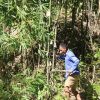
Bangladesh’s Ethnic People Safeguarding Forests and Wildlife
Kishore Kumar Chakma, a young man from an ethnic community in Rangamati district, voluntarily guards a village common forest (VCF) so that none can hunt wild animals and fell trees from it.
How to Turn the Tide: Resisting the Global Assault on Gender Rights
This year’s session of the United Nations Commission on the Status of Women (CSW69), the world’s leading forum for advancing gender equality, confronted unprecedented challenges. With Saudi Arabia in the chair and anti-rights voices growing increasingly influential in the forum, the struggle to hold onto international commitments on gender equality intensified dramatically. On 8 March, International Women’s Day mobilisations also took on added urgency, with demonstrations from Istanbul to Buenos Aires focusing on resisting the multiple manifestations of gender rights regression being felt in communities worldwide.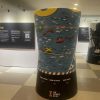
African Diaspora Exhibition Showcases Transformative Solidarity and the Legacy of Slavery
Ahead of the International Day of Remembrance of the Victims of Slavery and the Transatlantic Slave Trade on March 24, the United Nations (UN) unveiled a new exhibition examining the themes of equality and transformative solidarity in the context of the African diaspora.
A Chance for Sisi to Follow Sadat’s Vision and Courage
On March 26, Israel and Egypt celebrated the 46th anniversary of their peace treaty, which has upended the very nature of the Arab-Israeli conflict. Egypt remains pivotal in the search for Israeli-Palestinian peace, especially now in the wake of the Israel-Hamas war.
Will UN be a Possible Target as US Goes on a Rampage?
The Trump administration, spearheaded by senior adviser Elon Musk, has been on a wild rampage: mass layoffs of government employees, gutting federal agencies, dismantling the Department of Education and USAID, defying a federal judge and threatening universities with drastic cuts in grants and contracts—decisions mostly engineered by the newly-created Department of Government Efficiency (DOGE).
Malnutrition Not Due to Cash Poverty Alone
The World Bank set its US ‘dollar-a-day’ poverty line using its 1990 data. Despite many doubts and criticisms, its poverty numbers fell until the COVID-19 pandemic began in 2020.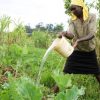
Empowering Women in Agriculture: Breaking Barriers for a Thriving Future
On March the 8th, the world celebrated International Women’s Day. This year’s theme was “For ALL Women and Girls: Rights. Equality. Empowerment” and called for actions that aim to unlock power and opportunities for women around the world by leaders across governments, corporate and private sector, academic communities, and civil societies.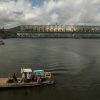
Royalties, a New Indigenous Right for Hydroelectric Damages in Brazil
Indigenous peoples in Brazil have won a new right: a share in the profits of hydroelectric plants that cause them harm when built on or near their lands.« Previous Page — Next Page »


Want to keep up with the latest news and views from the Global South? Sign up for IPS Daily News Report for daily emails with our top stories about international development, climate change, gender and more. (Formerly IPS TerraViva since 1993).

The Week with IPS

NEXT STOP - SDGs
Tracking global progress towards a sustainable world
Tracking global progress towards a sustainable world
