Languages
Saturday, August 15, 2026



News and Views from the Global South

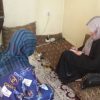
Young Women in Afghanistan Driven to Suicide Amid Widespread Frustration
Azar Shaimaa sits in grief, her voice trembling with sorrow as she recounts the devastating loss of her daughter, Benazir. A bright ninth-grade student, Benazir took her own life. Just three years earlier, Shaimaa lost her husband in a car accident.
Strengthening Indigenous Peoples and Local Communities’ Knowledge and Access Opens up Opportunities for Climate, Biodiversity and Desertification Action
The central role Indigenous Peoples and local communities in addressing climate change, biodiversity loss and desertification has gained widespread recognition over the past decade. Indigenous Peoples’ close dependence on resources and ecosystems, exceptional tradition, and ancestral knowledge are invaluable assets for the sustainable management of our planet’s natural resources.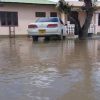
The Ocean Creeps In: Tanzanian Coastal Communities Fight a Losing Battle
The first time Jumanne Waziri tasted salt in his morning tea, he thought his wife had made a mistake. “Why did you put salt instead of sugar?” he asked, setting his cup down in their home in Ununio, a quiet suburb north of Dar es Salaam.
The Profound Rise of the Elderly
The 20th century ushered in the profound rise of the elderly. During the 21st century, the elderly as a result of their rising numbers and growing proportions of country populations will be increasingly impacting government policies, programs and expenditures.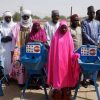
A Path Towards Ending Child Marriage
As the sun rises over coastal Gopalpur, Odisha, in eastern India, dozens of children prepare for school. Unfortunately, for many girls in the state, the arrival of their first period can mean the end of their school years as they face societal pressures to become brides.
A Test of Humanity: Migrants’ Rights in a World Turning Inward
The United Nations Refugee Agency faces devastating cuts that may eliminate 5,000 to 6,000 jobs, with potentially catastrophic consequences for millions of people fleeing war, repression, hunger and climate disasters. This 75-year-old institution, established to help Europeans displaced by the Second World War, now confronts an unprecedented financial crisis, primarily due to the US foreign aid freeze – and the timing couldn’t be worse.
Seeds of Survival, Amid Conflict Sudan Is Saving Its Agricultural Future
Sudan’s diverse crops and agricultural heritage are at risk of being lost. The ongoing conflict in Sudan is claiming lives and threatening livelihoods and food security. In the chaos of conflict, scientists like Ali Babiker are fighting to protect Sudan’s future food security—not with weapons, but with seeds.
‘What’s Next?’ Women-led Movements Fear for the Future
Women rights advocates who gathered at UN Headquarters for the world’s biggest meeting (10 -21 March) on gender equality have been sharing their concerns about the growing backlash against feminism, and how major funding cuts from donor countries could threaten programmes aimed at improving the lives of women and girls.
World Meteorological Day
Closing the Early Warning Gap to Save Lives
The World Meteorological Organization (WMO) is urging nations to increase investments in their meteorological and hydrological services and build robust early warning systems (EWS) to safeguard communities from the mounting threats posed by climate-related disasters. 
Funding Crunch Puts Years of Progress at Risk in Fight Against Tuberculosis
Governments and donors must ensure funding is sustained to fight tuberculosis (TB), organizations working to stop the disease have said, as they warn the recent US pullback on foreign aid is already having a devastating effect on their operations. NGOs and other groups that play a critical role in national efforts to stop what is the world’s deadliest infectious disease say the US administration’s recent decisions to first freeze and then cancel huge swathes of foreign aid funding have put countless lives at risk around the world.
World Day for Glaciers
Glaciers Are in Threat, May Not Survive the 21st Century
Many glaciers in the world will not survive the 21st century, according to reports published by the United Nations. Five of the past six years have experienced the most rapid glacier retreat on record; 2022-24 was the largest three-year loss of glacier mass. 
The Toll of Mental Health in Conflict Areas
Over the past two decades, conversations surrounding mental wellness have entered the cultural consciousness in the western world. Despite this, these topics receive far less media exposure in the Global South, particularly in areas that have been entrenched in warfare, where the onset of harmful mental health conditions are prevalent.
Food Security and Water, a Priority for Border Towns in Central America
The hope of Salvadoran Cristian Castillo to harvest tomatoes in a municipality of the Central American Dry Corridor hung by a thread when his well, which he used to irrigate his crops, dried up. However, his enthusiasm returned when a regional project taught him how to harvest rainwater for when the rains begin in May.
A Weapon in the Fight for Water Security: Preserving the Glaciers
World Water Day, celebrated on March 22 every year, raises awareness about the importance of water and advocates for the sustainable management of freshwater resources. The theme for 2025 focuses on glaciers — those grandiose ice masses that are a crucial part of the world's water resources.
Glaciers Of The SADC Region – A Wake-Up Call For Climate Action
World Water Day calls us all to promote the essential element of life: water. But we must also look this year at the rapidly vanishing sources of freshwater that we depend on, especially glaciers. Although glaciers may be remote for many of us, they are an essential component of the water cycle, nourishing rivers and lakes that are important for millions of people around the world. As precious resources with sources under threat, glaciers in the Southern African Development Community (SADC) region are an area of focus.
How Rare Rhino, Tiger Conservation Has Locked Out Indigenous Communities
While a local community prides itself on caring for a sensitive biodiverse region, and despite centuries-long stewardship of the Kaziranga, a UNESCO World Heritage Site, the authorities rebuff—sometimes aggressively—their attempts to remain involved.
Award Winning Women Goat Herders in Chile Confront Climate Change
Women goat herders in the municipality of Ovalle, in northern Chile, are confronting climate change by defending their heritage through improvements in the quality and variety of their products, which has led some to win international awards for their cheeses.
How Aid Cuts Will Shatter Global Water and Sanitation Progress
The principle of leaving no one behind is central to the UN Sustainable Development Goals (SDGs). The progress toward achieving SDG 6, which aims to ensure universal access to water, sanitation, and hygiene by 2030 is increasingly under threat with recent development funding cuts posing a significant barrier.
Civil Society: The Last Line of Defence in a World of Cascading Crises
In a world of overlapping crises, from brutal conflicts and democratic regression to climate breakdown and astronomic levels of economic inequality, one vital force stands as a shield and solution: civil society. This is the sobering but ultimately hopeful message of CIVICUS’s 14th annual State of Civil Society Report, which provides a wide-ranging civil society perspective on the state of the world as it stands in early 2025.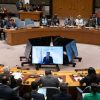
Israel Ends Ceasefire in Gaza as Strikes Resume
On March 18, the Israeli Defense Forces (IDF) launched an attack on the Gaza Strip, effectively terminating the Israel-Hamas ceasefire agreement. This comes after a pause in ceasefire operations when Israel continued its blockade on humanitarian aid in the enclave and demanded the release of additional hostages.
Why “Pro-Israel, Pro-Peace” Advocates Cling to Genocide Denial
Israel’s renewed assault on Gaza comes several months after both Amnesty International and Human Rights Watch issued reports concluding without equivocation that Israel was engaged in genocide. But very few members of Congress dare to acknowledge that reality, while their silence and denials scream out complicity.« Previous Page — Next Page »


Want to keep up with the latest news and views from the Global South? Sign up for IPS Daily News Report for daily emails with our top stories about international development, climate change, gender and more. (Formerly IPS TerraViva since 1993).

The Week with IPS

NEXT STOP - SDGs
Tracking global progress towards a sustainable world
Tracking global progress towards a sustainable world
