Languages
Saturday, September 19, 2026



News and Views from the Global South
Children on the Frontline

Q&A: National Study on Child Grant to Start
The department of social development hopes government will increase the child support grant based on the outcome of a rigorous nationwide study on the positive effects the grant has on South African society.
SOUTH AFRICA: Teenagers’ Health at Tremendous Risk
"I sometimes drink alcohol because it makes things funny," 15-year-old Senelo* giggles shyly. "I go to unlicensed taverns. They sell alcohol without asking questions."
Q&A: The State of HIV Prevention Vaccines
An HIV vaccine is possible if the world works together as a global community with the objective of finding one, but it will take some years to develop.
HEALTH-KENYA: Funding Threatens AIDS Prevention
Pregnant mothers who are HIV-positive could soon find it challenging to access life-saving HIV drugs because Kenya was denied 270 million dollars in funding from the Global Fund to Fight AIDS, Tuberculosis and Malaria.HEALTH-ZAMBIA: Government’s SMS System for HIV Test Results
HIV-positive Bupe Mwamba, 22, lies next to her newborn baby girl at the rural clinic she just gave birth in and wonders if her baby is HIV-positive too.EDUCATION-AFRICA: “Change the System to Fit the Child”
Teachers in Africa need to be trained to teach pupils from multiple grades simultaneously because although this is a common form of instruction on the continent, many teachers are not educated to do this.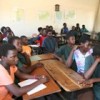
ZAMBIA: School Policy for Teen Mothers a Partial Success
Naomi Mulenga is determined to beat the odds by finishing her school education and becoming a nurse – despite being a teenage mother.WEST AFRICA: Stopping the Polio Virus
The World Health Organisation (WHO) and its partners hope to eliminate the circulation of the polio virus in West Africa as soon as June by launching the first round of national synchronised immunisation days against the debilitating disease.
NAMIBIA: “If You Kiss for Five Minutes You Get It”
"At home we have a bar," says grade seven learner David Bravo* (14). "When my mother puts on the music I cannot concentrate on (my) schoolwork anymore. Sometimes, in the middle of the night, I just sit there and watch the people."
MALAWI: Rural Communities Jointly Care for Orphans
At the age of 66, village headman Kamwala of Dedza district in central Malawi is starting to feel the effects of ageing. He gets tired easily and needs frequent naps but says he cannot afford this luxury. He and his wife are caregivers to a one-year-old orphan.SOUTH AFRICA: Gender Loses Out in Basic Education Crisis
With the 15th-year review of the 1995 Beijing World Conference on Women taking place at the ongoing Commission on the Status of Women in New York, South African teachers and education experts say they fear that a special focus on the advancement of girls is getting lost amidst the growing levels of poverty in the country.EDUCATION-TANZANIA: Pregnant Teens Forced Out of School
Pregnancy is the leading cause of dropouts for school girls in Tanzania. And a national law forbidding young mothers to return to school after giving birth did not make it any easier for them to continue their education.HEALTH-SOUTH AFRICA: More Funds Needed for HIV Prevention and Treatment
Decreasing or levelling HIV funding will destabilise developing countries’ health systems, a group of non-governmental organisations (NGOs) warned. They demand that governments worldwide own up to their promise of achieving universal access to HIV treatment.HEALTH-SOUTH AFRICA: Five Years to Children Born Free of HIV
A world where all children are born free of HIV infection is possible in only five years if donors continue to fund global efforts to combat the virus.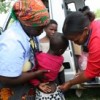
SWAZILAND: Long-distance Learning Certificate for Caregivers
Every Tuesday you will find 70-year-old Precious Dlamini under a tree, weighing children and babies from her local community as she monitors their health and nutrition.
SOUTH AFRICA: Increase in Social Grants Will Benefit Children
South Africa’s children, the country’s most vulnerable population group, will benefit through the increase in social grants recently outlined in the national budget.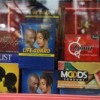
RWANDA: Efforts to Contain HIV/AIDS Among Teens Slacken
Eighteen-year-old David Kimenyi* is sure he infected his girlfriend with HIV. They had unprotected sex many times, even after he discovered he was HIV-positive.
SWAZILAND: Dating in a Time of HIV
Jabulile Dlamini* is sweet sixteen and has never been kissed. And she is not expecting to be kissed any time soon or to even receive any gifts this Valentine’s Day.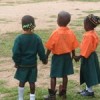
UGANDA: Early Diagnosis of HIV Still Elusive
HIV-positive Justine Kirumira* is a mother torn between doing what is right for her daughters and her own fear of HIV/AIDS. She suspects that her eight and 12-year-old daughters may also have the virus. But she may never know the truth of their status because she refuses have them tested.
ZIMBABWE: Training Teachers to Cope with HIV-positive Students
Eleven-year-old Memory’s grandmother wanted her to drop out of school because she is not going to live long enough to complete her studies. And the ridicule and stigma Memory endures at school because of her HIV status does not make her education seem worthwhile. Especially since this ridicule comes from her teacher.
MALAWI: Women Fight Harmful Cultural Practices
An experience which Belita Simpokolwe went through in December last year remains deeply etched in her memory. "Sometimes I fail to concentrate in class when these things come back to my mind," laments 13-year-old Simpokolwe, a grade six pupil at Kawale Primary School, in the northern Malawi district of Chitipa.« Previous Page — Next Page »


Children’s issues on the African continent remain on the margins of the news agenda. By raising the profile of children, the Children on the Frontline project seeks to help shape policies and inform Africa’s leadership on specific issues facing children across the region.

The Week with IPS

NEXT STOP - SDGs
Tracking global progress towards a sustainable world
Tracking global progress towards a sustainable world