Languages
Wednesday, October 14, 2026



News and Views from the Global South
The Southern Africa Water Wire
SOUTH AFRICA: Wastewater Is a Resource
South Africa faces chronic water shortages, yet billions of litres are flushed away every year. Being one of the driest countries in the world, the conservation of water resources and managing wastewater should be a top priority for government.
WATER-ANGOLA: Smart Relief Needed as Floodwaters Fall
The flood waters are starting to recede as the rainy season ends for another year, but while the emergency is over in southern Angola, the long term outlook is bleak.ZIMBABWE: Long Road to Water Sustainability
As funds begin trickling in for Zimbabwe’s reconstruction efforts, the rebuilding of infrastructure battered by years of neglect is set to gobble a huge chunk.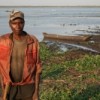
WATER-SOUTHERN AFRICA: Strengthening River Basin Management
Many of the adverse effects of floods which swamped northwest Botswana in early March could have been avoided if the Okavango River Basin Commission (OKACOM) had an early warning system in place.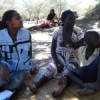
NAMIBIA: Tens of Thousands Displaced by Flooding
Namibia is experiencing flooding on a scale last seen nearly 50 years ago. The northern parts of the country are the worst hit.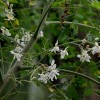
ZIMBABWE: Researchers Developing New Ways to Purify Water
Scientists at Bulawayo's National University of Science and Technology (NUST) have embarked on research to develop simple and affordable water purification methods, as more than a billion people live without safe drinking water in developing countries.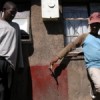
SOUTH AFRICA: Water Meters for the Poor: New Name, Old Problems
Many poor communities in South Africa continue to struggle for their constitutional right to clean, safe drinking water.
AGRICULTURE-MALAWI: Water Makes the Difference
Water has become the very essence of economic development for a rural community of Ngolowindo, in Malawi’s lake district of Salima, where households are reducing poverty thanks to irrigation.
WATER-NAMIBIA: ‘Decentralisation’: Code for Recovering Costs From the Poor
What if a well-intended programme to democratise water management is really a poverty trap? This is a question a soon to be published study on Namibian rural water supply poses to decision makers.
WATER-NAMIBIA: Policy to Create a Water Scarcity?
Several 20 litre buckets of water are crammed inside the small enclosure around the only tap in Epingiro, a small gathering of kraals in the Kavango woodlands in northern Namibia.SWAZILAND: Simple Solution – Save Rainwater
It's so early, the frogs are still croaking, as women push forward holding firmly onto their buckets while dodging cattle that are also scrambling for water in the pond at Gebeni. It has rained only a few times since the wet season began in October, and competition for water begins as early as 5:00 am.
HEALTH-MALAWI: Rains Expose Poor Sanitation
Zimbabwe - where cholera has claimed more than 2,700 lives so far according to the Red Cross - is not the only southern African country facing increased disease as rains set in across the region. Malawi is also battling a cholera outbreak which has killed 19 people since the onset of the rainy season, an unusually high death toll.
ZIMBABWE: Holy Water Is Serious Business
"I am making much more profit selling seawater than I used to get from selling groceries and small household goods," Carlos Marufu, a holy water dealer based in Harare told IPS.
SOUTHERN AFRICA: Climate Change Threatens Livelihoods
Climate change will affect the Zambezi River basin more severely than any other river system in the world, according to Kenneth Msibi, Water Policy and Strategy Expert for the Southern African Development Community (SADC). Increased floods, drought and increased levels of disease threaten lives and livelihoods all along the river’s length.
SOUTHERN AFRICA: Building Regional Water Management
As southern Africa braces for the negative effects of climate change, calls for integrated water resources management become more strident.
HEALTH-ZIMBABWE: Cholera Now a National Emergency
"Funerals of people dying of cholera are a common feature of our daily lives," said Tapiwa Hove, a resident Budiriro, a high-density suburb of Harare. "But it seems no one cares. Sewage is flowing all over. It's like living in hell."
DEVELOPMENT-SOUTHERN AFRICA: Harnessing the Zambezi
If the socio-economic development goals of the eight countries that share the Zambezi River basin are to be met, countries along the river should quickly implement plans towards managing water resources in an efficient, effective and sustainable manner.SOUTHERN AFRICA: Groundwater: How Much Is There?
A shortage of trained specialists who can assess and manage groundwater resources is a factor inhibiting its use in the Southern Africa region.DEVELOPMENT-AFRICA: Groundwater: Protecting a Hidden Resource
Groundwater - water located beneath the ground in soil or rock formations - is a secure source of water that if properly managed can last for centuries. The challenge is how to locate it and monitor the effects of its use.
DEVELOPMENT-AFRICA: Water and Improved Livelihoods
"Sanitation may hold the key to success or failure of the MDGs. It is really a time bomb in terms of health and the environment, waiting to be detonated," Professor Damas Mashauri told participants at a seminar on water and sustainable development taking place in Johannesburg, South Africa.
HEALTH-ZIMBABWE: Activists Say Cholera Due to Failed Leadership
"In my nine years as a nurse, I have never been so devastated. You know how discouraging it is to see people dying before your eyes. And you know very well there is nothing you can do to help them."« Previous Page — Next Page »





The Southern Africa Water Wire provides in-depth coverage of a diverse range of water-related issues in Africa, linking water to economic development, social well-being and environmental protection. Local journalists from across the continent explore the challenges, failures and successes of managing this vital resource.


Like the Southern Africa Water Wire to receive the latest water news and information from IPS and other top news agencies, as well as agencies in the field
Follow @africawaterwire

