Languages
Wednesday, November 11, 2026



News and Views from the Global South
Africa

African Governments Failing Survivors of Child Sexual Exploitation
In Malawi, Mary* was only 14 years old when she was recruited and trafficked to the city of Blantyre and sold for sex in a bar. A man had arrived in her village looking for girls to work as domestic helpers for families.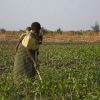
The Critical Role of Women in Avoiding a Covid-19 “Food Pandemic” in sub-Saharan Africa
As infections with Covid-19 appear to be intensifying in sub-Saharan Africa (SSA), fears of severe food shortages have prompted experts to warn that the region may be “on the brink of a hunger pandemic.” Efforts are intensifying to rally a major global response.
Senegalese Women’s Participation in Energy Sector equals Empowerment
Aïssata Ba, 45-year-old widow and mother of seven children, has been practising market gardening for the past 30 years in Lompoul Sur Mer village in the Niayes area of north-west Senegal. For many women in the village, endowed with fertile soil and favourable climate, it is the primary source of income throughout the year.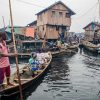
Lagos, Nigeria: Coronavirus is the least of concerns in the ‘Venice of Africa’
A riot of canoes bumping into each other in narrow waterways — paddlers yell a chorus of instructions to other boats: “Move! Shift! Stop!”
Racism, Shitholes and Re-election
Over the course of his presidency, US President Donald Trump’s racism has become more evident with more leaks of his private remarks, which he has been generally quick to deny, qualify and explain away.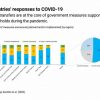
You’ve Got Money: Mobile Payments Help People During the Pandemic
The practical challenge of quickly getting financial support in the hands of people who lost jobs amid the COVID-19 economic crisis has baffled advanced and developing economies alike. Economic lockdowns, physical distancing measures, patchy social protection systems and, especially for low-income countries, the high level of informality, complicate the task. Many governments are leveraging mobile technology to help their citizens.
Sudan, Where Illegal Abortions remain Dangerous and Deadly
Omnia Nabil*, a Sudanese doctor, who worked in one of the largest hospitals in Khartoum, the country’s capital, was devastated to witness the deaths of 50 young women who had unsafe abortions during a space of just three months.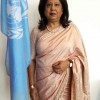
Q&A: Sexual Violence Survivors and their Access to Care Should not Be Forgotten
While the coronavirus does not discriminate, its impact does. And the needs of survivors of sexual violence in conflict "cannot be put on pause, and neither can the response” during the current COVID-19 pandemic.
Post-harvest Losses Becomes Tanzania’s Loss in Youth Farming
As she says goodbye to a group of her friends, Esther Ishabakaki asks whether any of them knows a good tailor who might be interested in joining her newly-opened clothing business. It’s a venture she started three months ago after quitting her farming venture.
Why Rwanda is a Great Green Growth Investment
In its effort to accelerate Rwanda's green growth development initiative, its local businesses encouraged their Italian counterparts to invest in the East Africa region.
African Development Bank COVID-19 response: moving from commitment to action
The African Development Bank has responded swiftly to the needs of its member countries during the ongoing COVID-19 pandemic.
Agroecology Strengthens Farmers’ Resilience But Highly Underfunded in Africa
With just a quarter of an acre of land in Kesses near Kenya’s Eldoret town in the Rift Valley region, Samson Tanui is practising agroecology and his permaculture unit has become the centre of attraction for farmers from near and afar amid food shortages during the current COVID-19 pandemic.
Malawi’s COVID-19 Cash Transfer Almost Ready But Election Fever may Prevent Lockdown
Malawi remains one of the few nations in the world that has not gone into a coronavirus lockdown as the government rushes to meet the conditions of a court order to implement a cash transfer scheme for the poor before doing so. But as some parts of the world are slowing coming out of their lockdowns, it could be likely this southern African nation won’t go into one as the rerun of the country’s presidential election nears.
The Sahel – ‘in Every Sense of the Word a Crisis’
The combination of rife insecurity, food insecurity and more than 7.5 million people in need of humanitarian assistance has left the Sahel a region in crisis, with the global coronavirus pandemic expected to exacerbate the situation.
Zimbabwe and US Diplomacy – this Time the Fight is About George Floyd
“As tall as he is, if he continues to do that I will kick him out of the country,” thundered Zimbabwe’s former President Robert Mugabe in 2008, his anger aimed at the then United States ambassador James McGee after the diplomat questioned the results of Zimbabwe’s 2008 general elections.
Safeguarding Africa’s Food Security in the Age of COVID-19
Food security in sub-Saharan Africa is under threat. The ability of many Africans to access sufficient, safe and nutritious food to meet their dietary needs has been disrupted by successive natural disasters and epidemics. Cyclones Idai and Kenneth, locust outbreaks in eastern Africa, and droughts in southern and eastern Africa are some examples. The COVID-19 pandemic is just the latest catastrophe to have swollen the ranks of 240 million people going hungry in the region. In some countries, over 70 percent of the population has problems accessing food.
The Curious Case of Covid-19 in Africa
With very weak health systems and overall capacity constraints to effectively respond to the deadly coronavirus disease, Africa’s fate against the invisible enemy, was going to be nothing short of catastrophic according to early predictions. Although Africa is yet to reach its peak, many countries are not seeing the exponential growth in case numbers, or in mortality rates as seen in other regions of the world. So far, the continent has the lowest mortality rates with higher recovery rates globally.
How to Transform UN’s Environmental Goals into a People’s Agenda for Africa
The COVID-19 insurgence has highlighted the need for multilateral cooperation among sustainability stakeholders. As the journey towards achieving Agenda 2030 and the Sustainable Development Goals (SDGs) is fraught with imminent global challenges, global environmental leaders agree that now is the time to act collectively for nature, leaving no one behind.
For Love or Land – The Debate about Kenyan Women’s Rights to Matrimonial Property
Ida Njeri was a civil servant with access to a Savings and Credit Cooperative Society (SACCO) through her employer, and her husband a private consultant in the information and communication sector, when she began taking low-interest loans from the cooperative so they could buy up land in Ruiru, Central Kenya. She’d willing done it. Part of their long-term plan together for having a family was that they would acquire land and eventually build their dream home. But little did Njeri realise that 12 years and three children later the law would stand against her right to owning the matrimonial property.
Triple Emergencies of COVID-19, Flooding & Locusts Makes Somalia Susceptible to Human Trafficking
While simultaneously suffering from the coronavirus pandemic, flooding and a locust crisis, Somalia, could well see a rise in the number of people who are susceptible to human trafficking.
Digital Agriculture Benefits Zimbabwe’s Farmers but Mobile Money is Costly
Shurugwi communal farmer, Elizabeth Siyapi (57) can no longer be scammed by unscrupulous middlemen to sell her crops cheaply. Nowadays, before she takes her produce to market she scours her mobile phone, which has become an essential digital agriculture data bank, for the best prices on the market.« Previous Page — Next Page » *#*

The Week with IPS

NEXT STOP - SDGs
Tracking global progress towards a sustainable world
Tracking global progress towards a sustainable world
