Languages
Friday, November 13, 2026



News and Views from the Global South
Asia-Pacific
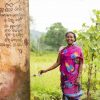
A Rural Sanitation Model That Works
Research and experience across more than two decades in rural Odisha, India, show that an effective rural sanitation model requires both financial assistance and an integrated water supply.
Free Speech and the Hong Kong Protests
Sometime in the summer of 1974, I was leaning against the gunwale of the ferry between Calais and Dover, watching the moonlight streaming dark waters. When I turned to the left I found that a Chinese lady also looked out over the calm sea. What she told me changed my world view.
Floods Havoc in North Bangladesh
 Floods are quite common in Bangladesh - blame it on climate change, the control and discharge of river waters at source or poor disaster management. The damage to property to livestock is colossal.

The Fight to End Violence Against Women in the Asia-Pacific Region
Parliamentarians met in Laos last week to discuss violence against women and girls. The meeting was organized by the Asian Population and Development Association (APDA) and hosted by the National Assembly of Laos.
Zero Population Growth vs Population Control
Knowledge is power, but with the caveat that said knowledge is based in fact. Otherwise, it’s misinformation.
Australia’s Forgotten Asylum Seekers
As the focus of Australian politics shifts away from refugee and asylum-seeker policies, the government avoids accountability for inhumane actions.
Sri Lanka on Security Alert Long After Easter Bombings
Sri Lanka continues to be on a security alert long after the devastation caused by a string of bombings on Easter Sunday this year. Raisa Wickrematunge, Editor of Groundviews, told IPS: “There has been a tightening of security. There are now security checks being carried out outside hotels and shopping malls - either through scanners or bag and body searches”.
We Are What We Watch
Consistent exposure to TV series with strong characters has the power to influence mental models in society and shift social norms.
Women’s Rights are Key in Slowing Down Population
The increase in world population by 2 billion in the next 30 years will present a serious global challenge especially if we do not find new paradigms of development thought and renewed global political leadership.
Partnering for Youth in Central Asia
Young people around the world are facing increasingly insurmountable, persistent barriers as they try to achieve their full potential and secure a prosperous future. However, Central Asia and the Asia-Pacific have already begun working to ensure that no one is left behind.
World’s Poorest Nations Weighed Down by Fastest Growing Populations
With a new report projecting a rise in population, specifically in Asia and Africa, the United Nations has warned that continued rapid population growth presents enormous challenges for sustainable development in the world’s 134 developing nations.
Poor Outlook for HIV-positive Children in Pakistan
Over 785 people have been diagnosed with HIV in Larkana, Pakistan. 82% of those individuals are children, and only half are receiving the treatment they need.
Rising Population Trends Threaten UN’s Development Goals in Asia & Africa
The world’s developing nations, currently fighting an uphill battle in their attempts to implement the UN’s Sustainable Development Goals (SDGs), are facing another stark demographic reality: a rise in world population by 2.0 billion people in the next 30 years: from 7.7 billion to 9.7 billion in 2050.
Asia-Pacific Region Falters on UN Development Goals
UN Deputy Secretary-General Amina Mohammed told a Chatham House meeting in London last week that the UN’s Millennium Development Goals (MDGs), one of the legacies of the late Secretary-General Kofi Annan, “spawned tremendous progress” in the battle against poverty worldwide.
UN Says Kyrgyz Journalist Should be Freed
On a recent morning in Bazar-Korgon, southern Kyrgyzstan, Khadicha Askarova was giving hasty instructions to her daughter about what needed to be packed.
Afghan Schools Left Unprotected by Government & International Community
Attacks on Afghan schools tripled between 2017 and 2018, according to a UNICEF report released last week: from 68 attacks to 192 in 2018. This figure seems unlikely to decrease as the Afghan government prepares to use schools once again for political activity in the upcoming election.
What Standardised Testing Doesn’t Tell Us About Learning
When we look at learning outcomes for children, we only look at standardised tests, ignoring any indigenous knowledge, language, or problem solving strategies they might have.
India’s Most Significant Innovations Have Roots in Civil Society
When we look at some of the things we take for granted in India today, there is a common thread to all of them. Every single one. They all originated from civil society.
Modi Cruises with Ease as Prime Minister of India for a Second Term
The boy who sold tea at railway platforms for a living has become the Prime Minister of world’s largest democracy for the second time. Narendra Dhamodaradas Modi, incumbent Prime Minister and leader of the BJP secured a second chance to be the Prime Minister at Indian elections which took place recently. The election was perhaps the largest held in any part of the world with 39 days of polling and involving as many as 900 million voters.
The New Face of Activism: Youth
Rather than waiting for adults to act, more young girls and boys are standing up and speaking out on the world’s pressing issues.
Asia-Pacific Region Viewed as Engine of the World Economy
Since this Commission first met in 1947, our countries have travelled a long journey. Our economies are expected to become larger than the rest of the world combined, measured by purchasing power parity. It is often said the Asia-Pacific region is the engine of the world economy.« Previous Page — Next Page »


The Week with IPS

NEXT STOP - SDGs
Tracking global progress towards a sustainable world
Tracking global progress towards a sustainable world
