Languages
Monday, November 16, 2026



News and Views from the Global South
Global

Helping Bangladesh Recover from COVID-19
One of the most densely populated countries in the world, Bangladesh exemplifies the triple blow that many emerging market countries have suffered from COVID-19: domestic slowdown caused by the disease and the efforts to contain its spread; a sharp decline in exports, particularly in the ready-made garment sector, and a drop in remittances. Its once robust economy has dramatically slowed in recent months.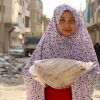
Sanctions, Amid COVID-19 Pandemic, Will Lead to Humanitarian Catastrophe
The Covid-19 pandemic has spread across the world. Although the numbers of infections and deaths vary between countries, they are increasing dramatically in some places, threatening people's health as well as the basis of their economic and social lives.
Scourge of Racism Violates UN Charter
I welcome this opportunity to speak to this urgent and necessary debate of the Human Rights Council. I bring you warm greetings from Secretary-General António Guterres, who shares your abhorrence of racism and is committed to fighting it with every tool we have.
We Should Not Aim to Return to Normal
The world before COVID-19 looks very attractive right now. In light of the disease, mass unemployment and social distancing, a return to pre-pandemic normality seems appealing. Yet we should remember what normal was.
Meritocracy Legitimizes, Deepens Inequality
How often have you heard someone lamenting or even condemning inequality in society, concluding with an appeal to meritocracy? We like to think that if only the deserving, the smart ones, those we deem competent or capable, often meaning the ones who are more like us, were in charge, things would be better, or just fine.
The Great Lockdown Through a Global Lens
The Great Lockdown is expected to play out in three phases, first as countries enter the lockdown, then as they exit, and finally as they escape the lockdown when there is a medical solution to the pandemic.
Women Leadership Is Key to Successful Post-COVID-19 Era, Says Cherie Blair
The impact of COVID-19 lockdowns falls heavily on the shoulders of women even in the global north. Women take the brunt of housework and caretaking duties, homes schooling, working from home and perhaps looking after elderly parents, says Cherie Blair.
When Old Age Catches Up, Even Nuclear Weapons Go into Retirement
The world’s stockpile of nuclear weapons—estimated at over 13,400 at the beginning of 2020 – have a least one thing in common with humans: they are “retired” when they reach old age.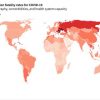
Predicting COVID-19 Infection Fatality Rates Around the World
The world saw more new confirmed COVID-19 cases last week than any week to date. And as the pandemic grows, its epicenter is moving from advanced economies to more developing countries, including Brazil, India, and South Africa.
Reviving the Economy, Creating the ‘new Normal’
The Covid-19 pandemic has significantly impacted most economies in the world. Its full impacts will not be felt, let alone measured, until it runs its course. Many countries are still struggling to contain contagion, while the costs on both lives and livelihoods will undoubtedly have long-term repercussions.
Delaying Death Amid the Coronavirus Pandemic
While the end of life remains the inescapable fate of every man, woman and child, death can be delayed as has been demonstrated repeatedly throughout human history. Amid the current coronavirus pandemic, a paramount objective is delaying death from Covid-19 for many millions of people across the globe.
A Single Seven Year Term for the UN Secretary General?
Many UN supporters expressed disappointment that Secretary General Antonio Guterres said almost nothing, until last week, about police violence against African-Americans in the United States, or about the massive protest movement that has erupted and the repressive response to the protests by US authorities and police forces.
Racism and Dominance
The #MeToo movement triggered worldwide protests that hopefully was instrumental in making people better aware of a continuous and often hidden mistreatment of women. Maybe can the current I can’t breathe movement make people realize that institutional racism is far from extinct.
Q&A: Global Poverty Expected to Move to Middle Income Developing Nations in Asia
Global poverty, which is increasing because of the economic impact of the coronavirus crisis and ensuing worldwide lockdowns, is shifting and a dramatic increase in middle-income developing countries in Asia is expected.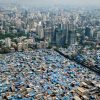
How Cities Can Turn COVID-19 Crisis into an Opportunity to Build Better
From shocking death tolls to widespread job losses, there is no understating the severity of the COVID-19 pandemic’s impact on the world’s cities. Health care systems, economies, and social lives have been upended by a virus for which the world was totally unprepared.
Strengthening Economic Institutions for a Resilient Recovery
Exceptional times call for exceptional action. In response to COVID-19, the IMF has moved with unprecedented speed and magnitude of financial assistance to help countries protect lives and livelihoods. Economic stabilization and a sustainable recovery, however, will require more than financial assistance. For recovery to be sustainable, policymakers will need to strengthen economic institutions that enable resilient, inclusive policies.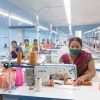
COVID-19 & its Impact on Textile & Garment Supply Chains in Developing Nations
In the first quarter of 2020, the coronavirus pandemic led to a 3% drop in global trade values. COVID-19 could trigger the biggest economic contraction since World War II, affecting all industries from finance to hospitality.
Unsung Heroines: Who Cares for the Carers?
Even before Covid-19, the world was facing a care crisis. The plight of often neglected, under-appreciated, under-protected and poorly equipped ‘frontline’ health personnel working to contain the pandemic has drawn attention to the tip of the care crisis iceberg.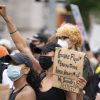
World Protests Show Rising Outrage and Mounting Discontent
After a period of forced silence because of the Covid-19 quarantines, citizens around the world are defying coronavirus restrictions and claiming the streets to fight for real democracy, jobs, living wages, public services, human rights and against corruption, inequality and injustice. We predict an increasing wave of protests all over the world led by different types of people defying the status quo. Unless policies change, clashes in the street are likely to become the new normal.
‘Universal Challenges’ Expose Layers of Inequalities
The effects of the COVID-19 pandemic have reminded us that ‘universal challenges’ are experienced differently, based on context. The varying demographics, systems, and administrative structures in each nation have resulted in distinctive experiences and challenges while grappling with the fallout from the crisis.
Eliminating Age Discrimination from Lockdown Curfews
During the Covid-19 pandemic governments around the world have introduced curfews as an exceptional, yet necessary, means of containing the spread of the virus. Yet while most countries have applied their curfews uniformly to all citizens, authorities across several regions have introduced them only for certain groups exclusively because of their age, including for under-18s.« Previous Page — Next Page »


The Week with IPS

NEXT STOP - SDGs
Tracking global progress towards a sustainable world
Tracking global progress towards a sustainable world
