Languages
Monday, November 16, 2026



News and Views from the Global South
Global

Eliminating Age Discrimination from Lockdown Curfews
During the Covid-19 pandemic governments around the world have introduced curfews as an exceptional, yet necessary, means of containing the spread of the virus. Yet while most countries have applied their curfews uniformly to all citizens, authorities across several regions have introduced them only for certain groups exclusively because of their age, including for under-18s.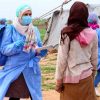
Global Solidarity & Effective Cooperation in the Face of COVID-19
The COVID-19 pandemic upended almost every aspects of life as we know it. Even those countries that are supposed to have the means to manage the spread and mitigate the effects are struggling.
UN Chiefs Silenced by Big Powers with Vetoes
The massive protests in more than 120 US cities over racial injustice and police brutality went global last week-- amidst presidential threats of military force on demonstrators in Washington DC.
Economic Ghosts Block Post-Lockdown Recovery
As governments the world over struggle to revive their economies after the debilitating lockdowns they imposed following their failure to undertake adequate precautionary containment measures to curb Covid-19 contagion, neoliberal naysayers are already warning against needed deficit financing for relief and recovery.
We Need to Slow down and Reconnect with Our Ocean for the Future of the Planet
 COVID19 has brought the world to a halt. The devastating impact of the global pandemic on people’s lives and the world’s economy is a jarring and historic turning point for all of us but it is also an opportunity to re-think many of our practices.

2nd World Food Safety Day
Few things are as natural and as necessary as eating food. However, if food producers, food processors, food handlers and consumers do not follow good food safety practices, food can become contaminated and rather than nourishing us and bringing us pleasure it can make us sick or even kill us.
COVID 19 – Conspiracy or Apocalypse? – Part II
As the COVID-19 virus spread rapidly around the globe, so did various theories about what caused the pandemic. According to the standard scientific theory, the virus originated in bats; crossed over to humans, probably via another intermediate host; and then spread rapidly across the globe.
Water, Climate, Conflict & Migration: Coping with 1 Billion People on the Move by 2050
Do migrants willingly choose to flee their homes, or is migration the only option available? There is no clear, one-size-fits-all explanation for a decision to migrate — a choice that will be made today by many people worldwide, and by an ever-rising number in years to come because of a lack of access to water, climate disasters, a health crisis and other problems.
The Bible, Donald Trump and Plastic
Another episode of the spectacular show that could be called The Greatest Story Ever Told: The Saga of the Trump Presidency, scripted and acted by Trump himself, took place on 1st of June.
Covid-19: Caring for Care Workers
COVID-19 has brought the world to a halt. Nations, businesses, and schools have closed, and billions are confined to their homes. Yet millions of care workers step out daily to keep the lights on and support those in need.
Migrant Women Exploited by Those They Trust
Maliha Masud (25), was promised an affluent life and opportunities for higher education. A bright student studying Biochemistry and Molecular Biology, she wanted to complete her studies and become someone her parents would be proud of. She was promised an opportunity to get her Master’s degree from a good university in the United States but, two years later, was left battered and wounded at the doorstep of a shelter.
COVID-19: Reset Food Systems Now for a Better Future
The COVID-19 pandemic has highlighted the inherent fragility of food systems, Marta Antonelli told an international video conference organised by the Barilla Center for Food Nutrition (BCFN).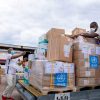
Beyond the COVID-19 Pandemic: What Now?
In the midst of the COVID 19 pandemic, the much-anticipated 73rd World Health Assembly (WHA) of the WHO concluded without any major controversies or disagreements.
Covid-19 Recessions: This Time It’s Really Different
The world economic contraction so far this year is largely due to measures, especially at the national or local level, to contain or prevent Covid-19 contagion, particularly those restricting business operations, thus reducing economic activity, output, incomes and spending.
Lifelines in Danger
The COVID-19 pandemic is crippling the economies of rich and poor countries alike. Yet for many low-income and fragile states, the economic shock will be magnified by the loss of remittances—money sent home by migrant and guest workers employed in foreign countries.
WORLD ENVIRONMENT DAY 2020
My name is Emma, I’m 10 years old, and I live in Canada. I am sharing this video with you, today, because I learned at school that my future – the future of all children – will be determined by what we do together today.
How the Great Lockdown Saved Lives
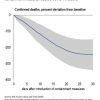
Since the COVID-19 outbreak was first reported in Wuhan, China in late December 2019, the disease has spread to more than 200 countries and territories. In the absence of a vaccine or effective treatment, governments worldwide have responded by implementing unprecedented containment and mitigation measures—the Great Lockdown. This in turn has resulted in large short-term economic losses, and a decline in global economic activity not seen since the Great Depression. Did it work?
Prioritising Life or the Economy Will Determine the Post-Pandemic Focus in Urban Areas
The first priority in the COVID-19 pandemic was to save lives, in an effort to avoid even more devastating economic losses if strict lockdown and isolation were not put in place.
The Pandemic Underlines America’s Ingrained Racism
The murder of George Floyd by a police officer in broad daylight came amid a high point in the continuing rampage of the coronavirus throughout the country, killing over 100,000 and infecting nearly 2 million while more than 45 million have lost their jobs.
This Year of Living Dangerously
Indonesia’s founding President Sukarno delivered his annual Independence or National Day address on 17 August 1964 anticipating the forthcoming year as Tahun vivere pericoloso, the ‘year of living dangerously’. 2020 may well be the world’s turn, and not only due to the obvious Covid-19 threat to the world.
Is the Fight for Human Rights & Racial Justice Overriding the Coronavirus Risk?
The deadly coronavirus pandemic, which has claimed the lives of over 372,000 people worldwide, has reinforced the concept of “social distancing” which bars any gathering of over 10 or 20 people – whether at a social event, a wedding, a political rally or even a funeral.« Previous Page — Next Page »


The Week with IPS

NEXT STOP - SDGs
Tracking global progress towards a sustainable world
Tracking global progress towards a sustainable world
