Languages
Wednesday, November 18, 2026



News and Views from the Global South
Global
Let’s Give Trade a Chance
Imagine going through the day without consuming or using some product, service, data, technology, personal contact, or payment which has not – at least in some part – crossed one or more national borders before reaching you.
Billionaires Beware
The latest November 2019 UBS/PwC Billionaires Report counted 2,101 billionaires globally, or 589 more than five years before. Earlier, Farhad Manjoo had seriously recommended, ‘Abolish Billionaires’, presenting a moral case against the super-rich as they have and get far, far more than what they might reasonably claim to deserve.
How Gender-based Violence Should be Reported in the Media
Sexual and gender-based violence terrorizes women and girls around the world, affecting as many as one in three women. Reporters play an essential role in bringing these cases to light so that authorities can take action and prevent further abuses. Yet reporting on gender-based violence comes with serious risks to survivors.
Not all Trade is Good – the Case of Plastics Waste
Currently, approximately 300 million tons of oil-based plastic waste are produced every year. A significant amount of plastic waste ends up in the oceans, having a detrimental effect on marine ecosystems and coastal communities. Most of this waste originates from the Asia-Pacific region.
India’s Citizenship Law Triggered by Rising Right-Wing Ideology
“Fire bullets at the traitors of the country,” chanted mobs of Bharatiya Janata Party, or BJP, supporters wrapped in Indian flags in Delhi last week.
2020: a Year Full of Danger
Let’s face what lies ahead with open eyes: 2020 is going to be a very tough year for the world, and developing countries in particular. The infant decade has already begun with the harbingers of climate disaster as thousands fled to beaches in Australia from raging bush fires, and the Middle East braced for more conflict after a U.S. air strike in Baghdad killed Iran’s top general.
Reflections for a New Year
In a world shaken by so many problems, it is difficult to look at 2020 and not make some kind of holistic analysis. While enormous progress has been made on many fronts, it is clear that the tide has turned, and we are now entering – or have already entered – a new low point in the history of humankind..
Child Marriages Unlikely to End by UN’s 2030 Deadline
“Right now, I don’t want to get married. I have a long life and a dream in front of me”, a 14-year-old young girl from Bangladesh told her parents as she was just not ready to get married.
In Mauritania, Imams take to Radio Waves to say Child Marriage is Against Islam
"I refused to marry off my daughter for a simple, good reason: I want my daughter to be empowered,” said Lemeima mint El Hadrami, 49. "I don't want her to go through the same difficulties I did when I was young." El Hadrami was married when she was only 13.
2020 Is the Decade of Action & It Has to Be a Sprint
Happy New Year, Kenya. 2020 marks a decade of action towards the realization of the Sustainable Development Goals by 2030. Peace and development are inextricably linked, with each making the achievement of the other far more likely. This puts the conflict-prevention and development work of the UN at the heart of the agenda in East Africa, but in a multi-agency and programme environment, making meaningful progress is challenging.
Plastic: The Largest Predator in Our Oceans
Plastic pollution is currently the largest global threat to marine life. Each year, 10-20 million tonnes of plastic ends up in our oceans, killing approximately 100,000 marine mammals and over a million seabirds.
More Women in Tech Will Lead to Peaceful Gender Equal World
It will take around 100 years for the world to reach gander parity according to the Global Gender Gap Report 2020 just published by World Economic Forum.
The Death of a Courageous Journalist Reveals Malta as a ”Mafia Island”
Around 3 pm on 16 October 2017, Daphne Caruana Aruna Galizia was returning home when her Peugeot suddenly exploded 80 metres from her house outside of Bidnjia, a small town 15 km from Malta´s capital Valletta. Her son Matthew heard the violent blast and rushed out to find the smoldering wreck of the car on a field by the road: “I looked down and there were my mother’s body parts all around me”. Her scattered body had hit the ground 10 metres from the demolished vehicle.1
UN Chief Warns of Rising Misogyny, Xenophobia, Discrimination, Racism & Hate Speech
As we prepare to bid farewell to 2019, we must take a clearsighted look at the global situation and the new challenges we face. Our world is undergoing a shift. It is no longer bipolar or unipolar. But it is not yet truly multipolar. Balances of power are changing, creating new and dangerous risks.
Food Security Is Priority of Russian Sustainable Development Assistance
Food security holds a special place among Russia’s priorities in its efforts to achieve sustainable development globally. We believe that this task, which is reflected in Sustainable Development Goal 1, requires a comprehensive and multidimensional approach.
Carbon Markets Can Provide a Crucial Part of the Solution to the Climate Crisis
One of the main discussions at the COP25 climate change talks was Article 6, which is designed to provide financial support to emerging economies and developing countries to help them reduce emissions by using global carbon markets. Carbon pricing is an essential piece of the puzzle to curb emissions. Without a value on carbon, there is less incentive to make positive changes, especially in the private sector. The most efficient way to carry this forward is to allow trading of carbon both nationally and internationally, which will ensure the lowest cost of mitigation for participants globally.
Education for Constructive Change
We saw a hugely diverse selection of world leaders - from civil society, politics and business - seeking positive change at the UN General Assembly in New York in September. But the global reality is a political and economic environment that is increasingly divided. Boycotts. Protests. Narratives of hate.
Billionaires’ Existential Threats to Humanity?
The social utility of billionaires’ existence has come under increased scrutiny, especially during the Democratic Party primaries for the 2020 US Presidential election. Leading newspapers, such as The New York Times, published opinion pieces arguing to abolish billionaires and reflecting on why billionaires engage in illegal insider trading.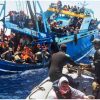
EU Policies Don’t Tackle Root Causes of Migration – They Risk Aggravating Them
According to political scientist Zaki Laïdi’s La tyrannie de l’urgence (The tyranny of emergency) from 1999, crisis and emergency situations leave no time for analysis, prevention or forecasting. As an immediate protective reflex, they prevent long-term solutions and pose a serious risk of jeopardising the future.
2019 – A Devastating Year in Review
By any measure this has been a devastating year: fires across the Amazon, the Arctic and beyond; floods and drought in Africa; rising temperatures, carbon emissions and sea levels; accelerating loss of species, and mass forced migrations of people.
Women in Climate Hot Spots Face Challenges Adapting
Women in Asia and Africa hardest hit by climate change have a tough time adapting to the climate emergency, even with support from family or the state, finds a new study. The results raise questions for global agreements designed to help people adapt to the climate emergency, it adds.« Previous Page — Next Page »


The Week with IPS

NEXT STOP - SDGs
Tracking global progress towards a sustainable world
Tracking global progress towards a sustainable world
