
Wednesday, August 26, 2026



News and Views from the Global South
South-South
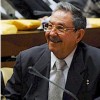
CARIBBEAN: Castro Comes Calling as U.S. Tries to Pull the Plug
Even the rains seemed to have joined forces against Cuban President Raul Castro.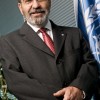
Q&A: “Investing in the Fight against Hunger Brings Extraordinary Returns”
The man who played a key role in the design of Brazil's successful food security policies believes it is possible to eradicate hunger in the world, and intends to try by promoting "a simple idea."Cuba Strengthens Regional Ties
With the recently-created Community of Latin American and Caribbean States (CELAC), Cuba is strengthening its regional reinsertion, while progress towards normal ties with the United States would appear to remain a distant prospect, and the return of the right-wing Popular Party to power in Spain could reopen tensions on that front.
Nigerian Bill Criminalises More Than Just Gay People
"The prospect of arriving home... being arrested at the airport - that's kind of scary," said Osazeme O., a dual citizen of Nigeria and the UK, in a wry understatement.
Q&A: South-South Cooperation Complements North-South Cooperation
South-South cooperation can play a key role in boosting the economies of developing countries, but it is not going to replace North-South cooperation, says Nassir Abdulaziz Al-Nasser, president of the 66th session of the U.N. General Assembly.
SOUTH AMERICA: To Beijing with Love
South America has managed to withstand the knock-on effects of recession in the EU and U.S. thanks to the protection offered by the soaring Asian demand for commodities. But many things could change in the medium term.
TRADE: Small Steps towards Emission Reduction Deal
Emerging economies China, South Africa and Brazil have indicated their openness to legally-binding carbon emission reduction targets from 2020 during the United Nations climate change summit in Durban, South Africa.
Q&A: ‘For Fragile States Aid is Life, Not Money’
The new deal for the ‘fragile states,’ from the g7+ – a group of 19 countries that struggle with poverty, instability and violent conflict - has been hailed as a major breakthrough at the Fourth High Level Forum on Aid Effectiveness here, earlier this week.
Workers Send More Money Home, Surpassing Development Aid
Despite a global economic crisis, worsening employment prospects for immigrants and hardening views on immigration in the U.S. and Europe, migrant workers are sending more money home, according to a World Bank report on global remittances released Wednesday.Inclusiveness Wins at Busan Aid Forum
Inclusiveness was the winner as donors, recipient governments, emerging economies, multilateral lenders and civil society representatives hammered out a consensual document at the close of a major meeting in this South Korean city to boost development aid effectiveness.
Not Everyone on Board with Mesoamerica Development Plan
Ten years after its launch under a different name, the Mesoamerica Project, which involves major investments in energy, telecommunications, housing, health and other areas, is moving ahead slowly and continues to face scepticism that it will have a real impact against poverty.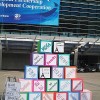
Lessons for Africa at Busan Aid Forum
There are many inspiring stories that delegates from Africa attending the ongoing Fourth High Level Forum on Aid Effectiveness can take home to provide insights to their respective countries on making the transformation to middle-income economies.
Brazil Cannot Swim Against the Climate Current
With no meaningful proposals, and in the face of internal setbacks and an adverse international context, Brazil is largely unprepared to assume the leadership role expected of an environmental power at the Durban climate change conference.
South-South Ties Reshape Aid Paradigm
When the G-8 countries, comprising the world’s largest industrialised nations, decided that improving Internet access to developing countries should be a priority, scores of leaders from developing world opposed the move.
The Aid From Women No One Counts
Gender responsive budgeting becomes important when seen in the background of unpaid but important care work done by women, say delegates to an international meet on aid effectiveness in this South Korean city.
CLIMATE CHANGE: Cuba Joins New South-South Alliances
Cuba will be attending the next round of climate change negotiations after a year that has seen a growing consensus in the developing South to put pressure on rich nations to take on firmer commitments within an international governance regime for climate stability.CARRIBEAN: Fresh Challenges Accompany Progress in AIDS Fight
Cracey Fernandes, the president of the Guyana Sex Work Coalition, does not hide the fact that he is homosexual.Global South Needs New Path of Development
The convergence of leading countries from the global South - China, India, Brazil and South Africa, among others - to assist the poorest countries in sub-Saharan Africa and elsewhere constitutes a new "dynamic" in the emerging global economic partnerships, says the United Nations Conference on Trade and Development.
SOUTH AFRICA: No Political Will to Support Generic Medication
South African health experts are calling on governments to use legally available mechanisms to promote the production or import of generic drugs in their countries.Can BRICS Make a Difference at Busan? – Part 2
While experts are hopeful that blocs of emerging market economies like BRICS – Brazil, Russia, India, China and South Africa – will play a major role in the upcoming aid effectiveness conference in Busan, South Korea, others fear that the new players do not yet have the fiscal power to make a serious intervention in fora generally dominated by rich donor states.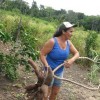
Brazil Commits to Quality Food for All
Representatives of the Brazilian federal and municipal governments and of indigenous, black and riverbank communities and other groups that make the population of this country so diverse assumed a commitment to fight for "the human right to an adequate diet."« Previous Page — Next Page »


South-South cooperation – collaboration between developing countries - is a growing and dynamic phenomenon, an important process that is vital in confronting shared challenges. Led by emerging giants India, Brazil and South Africa (IBSA) the South is a tremendous source of tested solutions to development challenges including the Millennium Development Goals (MDGs). The Nairobi Outcome of the 2009 High Level United Nations Conference on South-South Cooperation in Nairobi, Kenya highlights growing political and economic ties within the developing world, as countries from the South assume leading roles in decision-making on hot global issues ranging from economic recovery to food security and climate change.

The Week with IPS

Tracking global progress towards a sustainable world
