

Korchi a village of 3,256 people, most of whom are small and marginal farmers belonging to Gondi and Kawar indigenous communities, lies about 750 kilometres east of Mumbai, India. Here, women like Jam Bai, a 53-year-old indigenous farmer, have been leading a ground movement for years to own land.
Languages
Saturday, October 10, 2026


News and Views from the Global South
Sustainability

‘I Want my Kids to Know What a Rhino and Turtle Are’ – #ClimateStrike Kids Say
 From Nigeria, to Kenya to the Democratic Republic of Congo, to South Africa, thousands of African climate campaigners have taken to the streets joining millions around the world for the global Climate Strike ahead of the United Nations Climate Action Summit 2019, which starts in New York next week.
Not Enough Good Information About Africa’s Climate for Adaptation
 "We don't have a good appreciation of our local weather systems," says Dr James Kinyangi head of the African Development Bank's climate and development Africa special fund, which supports investments in climate and weather observations networks in Africa.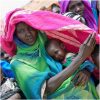
As Climate Crisis Worsens & Poverty Rises, UN Appears Off-Track on Development Agenda
The two key goals in the UN’s development agenda are the eradication of extreme poverty and hunger by 2030. But most of the world’s developing nations, currently fighting a losing battle against rising poverty and hunger –and suffering from the devastating impact of climate change-- are likely to miss the deadline for most of the 17 Sustainable Development Goals (SDGs), according to the latest report by Secretary-General Antonio Guterres.
Tana River Bears the Cost of Development
The damming of Kenya's River Tana and the environmental degradation upstream, has reduced the amount of silt and water reaching the Tana River Delta over time. Hence the sea has been pushing further and further inland unhindered, jeopardising livelihoods. 
African Development Bank Plans for a Self-sufficient, Integrated and Industrialised Continent
Arama Sire Camara, a fruit and vegetable seller in the province of Kindia, some 135 km from the Guinean capital of Conakry, feels safer trading well into the night thanks to the Rural Electrification Project, financed by 21-million-dollar investment by the African Development Bank. “With lighting on the road at night and illuminating our goods, it means we are safer, especially with all the cars on the road. You can work for longer after nightfall, and so we can make more of our products,” she says.
Dumping Fossil Fuels to Drive Green Development
Disinvestments in fossil fuels amounting to 11 trillion dollars – eight times the global GDP – have been recorded in the last six months of this year, according to a new report.
The Emergence of a Global Voice for Hansen’s Disease Affected Persons
The Global Forum of People’s Organisations on Hansen’s Disease, which was attended by members of people’s organisations from 23 different countries, wrapped up in Manila, Philippines, today Sept. 10 after four days of discussion and deliberation. The main outcome was a set of recommendations, which included participants stating that those affected by the disease should have more inclusive roles in the global campaign against leprosy.
Desertification Costs World Economy up to 15 trillion dollars – U.N.
Forest fires, droughts and other forms of land degradation cost the global economy as much as 15 trillion dollars every year and are deepening the climate change crisis, a top United Nations environment official said Friday.
Achieving Global Consensus on How to Slow Down Loss of Land
Expectations are high, perhaps too high, as the 14th Conference of the Parties (CoP 14) of the United Nations Convention to Combat Desertification (UNCCD), now into the third day of its two-week session, is being held outside the smog-filled Indian capital of New Delhi.
Eastern Caribbean Embarks on Strategy Towards a Blue-Green Economy
Micro, small and medium enterprises as well as niche markets and experiences such as bee tourism may well hold the key for the Organisation of Eastern Caribbean States as countries of that sub-region, known as the OECS, ramp up efforts to build economies that are resilient to the impacts of climate change. 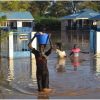
Let’s Walk the Talk to Defeat Climate Change – African Leaders Told
African leaders have been asked to walk the talk, and lead from the front, in order to build resilience and adaptation to the adverse impacts of climate change on the continent.
How Tibet Doubled its Life Expectancy
Tibet's complicated typography means that the terrain is not easy for its people. Whilst the country is breathtaking, one incredible story about Tibet is that of the dramatic socio-economic changes the region has undergone. 
Establishing a Science & Technology Park is No Walk in the Park
The success of Silicon Valley has been inspirational for many countries worldwide wishing to establish science and technology parks. In Asia, successful science and technology parks can be found in many economies, including China, Japan and Thailand.

Is India on Track to Beat the Perfect Storm?
“The Perfect Storm” was a dire prediction that by 2030 food shortages, scarce water and insufficient energy resources together with climate change would threaten to unleash public unrest, cross-border conflicts and mass migration from worst-affected regions.
How India’s Indigenous Female Forest Dwellers Feel about Owning Their Own Land
Kumaribai Jamkatan, 51, has been fighting for women’s land rights since 1987.
Though the constitution of India grants equal rights to men and women, women first started to stake their claim for formal ownership of land only after 2005–the year the government accorded legal rights to daughters to be co-owners of family-owned land. 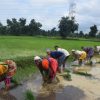
In the Midst of Conflict, India’s Indigenous Female Forest Dwellers Own their Land
Jam Bai, an Indigenous farmer from Korchi village in western India, is a woman in hurry. After two months of waiting, the rains have finally come and the rice saplings for her paddy fields must be sown this week while the land is still soft.
Burning Forests for Rain, and Other Climate Catastrophes
The villagers living on the foothills of Mount Kenya have a belief: If they burn the forest, the rains will come.
Land Degradation Jeopardizes Ability to Feed the World
We have known for over 25 years that poor land use and management are major drivers of climate change, but have never mustered the political will to act.
Desertification a Frontline Against Climate Change: IPCC
A new United Nations report has described farming, land degradation and desertification as critical frontlines in the battle to keep the global rise in temperatures below the benchmark figure of 2 degrees Celsius.
Extreme Floods, the Key to Climate Change Adaptation in Africa’s Drylands
Extreme rainfall and heavy flooding, often amplified by climate change, causes devastation among communities. But new research published on Aug. 7 in the scientific journal Nature reveals that these dangerous events are extremely significant in recharging groundwater aquifers in drylands across sub-Saharan Africa, making them important for climate change adaptation.« Previous Page — Next Page »





The Week with IPS

NEXT STOP - SDGs
Tracking global progress towards a sustainable world
Tracking global progress towards a sustainable world
