Languages
Monday, November 23, 2026



News and Views from the Global South

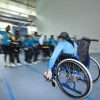
Hiring for Inclusion
As companies begin to focus on hiring people with disabilities, we need to shape how they think and act on this interest.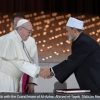
Why We Need Religion More than Ever in the Pursuit of Peace
The proliferation of political crises and armed conflicts in every corner of the world does not exclude religious groups, which unfortunately also contribute to animosities, intolerance and hatred. The Middle East has been on the hit-list of violet extremist groups for decades. One telling example is Syria where clashes have on occasion taken religious or denominational overtones, fracturing Syrian society for decades to come. They have given rise to sectarian divisions along ethnic and religious lines in a country where inter-religious harmony once prevailed. We observe a similar situation in Iraq. In Myanmar, government security forces unleased a brutal campaign of ethnic cleansing and hatred against the Muslim Rohingya population. The military crackdown on the Rohingya community has significantly aggravated inter-communal violence in the country. And in the Central African Republic, armed militant groups sloganizing misrepresentations of Islam and Christianity, commit abuses and human rights violations on each other on a daily basis.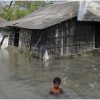
Rural Bangladesh Families Spend 2.0 Billion Dollars on Climate Change ― Dwarfing Government & International Finance
In an alarming imbalance struggling families in rural Bangladesh spend almost US$2 billion a year on preventing climate-related disasters or repairing damage caused by climate change ― far more than either the Bangladesh government or international bodies.
Biogas Makes Pig Farming More Sustainable in Southern Brazil
 Biogas has the potential to provide 36 percent of the electricity consumed in Brazil or replace 70 percent of diesel if purified as biomethane, according to the Brazilian Association of Biogas and Biomethane (Abiogas).

Not Enough Good Information About Africa’s Climate for Adaptation
 "We don't have a good appreciation of our local weather systems," says Dr James Kinyangi head of the African Development Bank's climate and development Africa special fund, which supports investments in climate and weather observations networks in Africa.

Boko Haram’s Youngest Victims
“Khadija” was just 8 years old when Boko Haram fighters attacked her village in northeast Nigeria and took her by force to their camp. Her abductors tried to marry her and other captives to members of the armed Islamist group, she told me. When the captives refused, they were locked in a room.
NYC Library Ditches Controversial Saudi Royal MBS’ Event
A New York library appeared to bow to pressure this week when it canceled an event that was being co-hosted by Saudi Arabia’s crown prince Mohammad bin Salman, who is accused of a range of human rights abuses.
Community Management, Outmigration Help Nepal Double Forest Area
New analysis of historical satellite imagery indicates that Nepal’s forest area has nearly doubled, from 26% of land area in 1992 to 45% in 2016. The midhills have experienced the strongest resurgence, although forests have also expanded in the Tarai and in the mountains. This makes Nepal an exception to the global trend of deforestation in developing countries.
Do Women Suffer Greater Loss of Employment than Men in Morbidity?
In a life peppered with tragedy, Mary Shelley wrote in 1818, “Have I not suffered enough, that you seek to increase my misery?” That this accurately sums up the fate of many women in South Asia who suffer a major health shock such as a serious illness or a disability or both, is hard to dispute.
International Cooperation Required to Solve World’s Severest Problems
In an interview with Dan Smith, Director of the renowned Stockholm International Peace Research Institute (SIPRI) and Professor of Peace and Conflict at the University of Manchester. The native Londoner, he has been researching conflicts and peace for decades and served in the UN Peacebuilding Fund Advisory Group, which he chaired for two years.
World is in Crisis– & Multilateral Approach is the Key
As the UN General Assembly begins, we are once again ringing the alarm on the urgent issues of climate and development that demand our global attention and action. And I worry yet again leaders will not heed the warnings and not act with the clarity and at the scale the issues we’re here to tackle demand.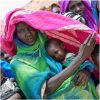
As Climate Crisis Worsens & Poverty Rises, UN Appears Off-Track on Development Agenda
The two key goals in the UN’s development agenda are the eradication of extreme poverty and hunger by 2030. But most of the world’s developing nations, currently fighting a losing battle against rising poverty and hunger –and suffering from the devastating impact of climate change-- are likely to miss the deadline for most of the 17 Sustainable Development Goals (SDGs), according to the latest report by Secretary-General Antonio Guterres.
Key Changes in International Agriculture and Rural Development Issues: Three Priority Areas in the Context of the 2030 Development Agenda
Transformations in international agricultural and rural development issues Some major changes in international agricultural and rural development over the last 30-40 years need to be taken into account in efforts to promote sustainable development and an inclusive rural transformation (IFAD 2016) as we approach the third decade of the millennium. This opinion piece, drawing on a longer article published in Agriculture for Development Journal (Summer 2019 Issue), seeks to stimulate reflection and debate on how work to support agricultural and rural development can evolve to address key challenges and opportunities related to migration, sustainable urbanization and youth in a changing global policy context.
Human trafficking: A Disorganised Response to an Organised Crime
Human trafficking is perhaps one of the most well-organised crimes being committed in India. How else do we explain the phenomenon of adolescent girls and young women from remote villages across India being found in brothels in our cities?
When the Search for Jobs Ends in Slavery
In 2017, Zubedah Nakitende’s electronics shop was robbed with thieves taking her entire stock. But she had heard from a colleague about lucrative jobs in Jordan and decided to take on work as a domestic helper, earning an income of 740 dollars a month.
How a Bangladesh Non Profit for Leprosy Made its Members Completely Self-Sufficient
The 20th International Leprosy Congress just wrapped up in Manila, Philippines last week. Alongside policy makers, diplomats, medical researchers, doctors, donors and academics, several Hansen's disease-affected people’s organisations also participated in the 3-day congress that was co-sponsored by The Nippon Foundation (TNF) and Sasakawa Health Foundation (SHF). 
Petition and Critics of Khashoggi Killing Heap Pressure on U.N.-Saudi Event
The United Nations faces growing public opposition to an event it is co-hosting with a Saudi Arabian charity only days before the anniversary of the murder of journalist Jamal Khashoggi.
Developing Economies’ Subordinate Financialization
Rapid financial globalization is due not only to financial innovations, but also to choices made by national policymakers, often with naïve expectations, trusting promoters’ promises of steady net inflows of financial resources.
Tana River Bears the Cost of Development
The damming of Kenya's River Tana and the environmental degradation upstream, has reduced the amount of silt and water reaching the Tana River Delta over time. Hence the sea has been pushing further and further inland unhindered, jeopardising livelihoods. 
UN Chief Calls for Action, Not “Beautiful Speeches”
UN Secretary-General Antonio Guterres has offered an unsolicited piece of advice to the 190-plus speakers, including heads of state and heads of government, who will address an unprecedented six high level plenary meetings during the General Assembly sessions September 23-27.
African Development Bank Plans for a Self-sufficient, Integrated and Industrialised Continent
Arama Sire Camara, a fruit and vegetable seller in the province of Kindia, some 135 km from the Guinean capital of Conakry, feels safer trading well into the night thanks to the Rural Electrification Project, financed by 21-million-dollar investment by the African Development Bank. “With lighting on the road at night and illuminating our goods, it means we are safer, especially with all the cars on the road. You can work for longer after nightfall, and so we can make more of our products,” she says.« Previous Page — Next Page »


Want to keep up with the latest news and views from the Global South? Sign up for IPS Daily News Report for daily emails with our top stories about international development, climate change, gender and more. (Formerly IPS TerraViva since 1993).

The Week with IPS

NEXT STOP - SDGs
Tracking global progress towards a sustainable world
