Languages
Saturday, August 8, 2026



News and Views from the Global South


India-Pakistan: On the Brink—But Is There a Way Back?
Just after the young couple arrived at Al-Sayyed Shabistan, a quaint guesthouse in Taobat, on April 30, soldiers showed up, urging them to leave—war, they warned, could break out any moment. Yahya Shah, guest-house owner and head of Taobat’s hotel association, told IPS over the phone, “Tourist season just began, but for two weeks the village feels like a ghost town—everyone’s hit: shopkeepers, eateries, drivers.”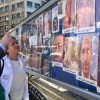
UN Needs to Protect its Vital, Yet Underfunded, Human Rights Work
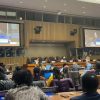
Major-power cutbacks and delayed payments amidst conflict and insecurity are testing the very principles and frameworks upon which the international human rights infrastructure was built nearly 80 years ago.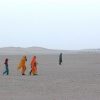
Underfunding Threatens Sahrawi Refugees in Algeria
Since the Western Sahara War in 1975, Sahrawi refugees have resided in a collection of refugee shelters in the Tindouf province of Algeria. For over 50 years, these communities have struggled to develop self-sufficiency and have been solely dependent on humanitarian aid for survival, marking one of the most protracted refugee crises in the world.
‘Trump Is Advancing a 21st-century US Variant of Fascism, Backed by a White Nationalist Ideology’
CIVICUS speaks about democratic decline in the USA with humanitarian and civil society activist Samuel Worthington, former president of the US civil society alliance InterAction and author of a new book, Prisoners of Hope: Global Action and the Evolving Roles of US NGOs.
Speaking Out for SRHR: Why Lived Experiences Must Shape Policy and Practice
Just a month ago, I found myself in a hospital, anxiously waiting for my son to be attended to. As we sat quietly in one of the waiting rooms, an emergency case was wheeled in — a young woman, barely out of her teens. Her face contorted in visible pain. Her dress was soaked with blood, which had begun to pool beneath the wheelchair and trickle onto the floor.
World Press Freedom Day 2025
Call to Protect Elections from AI ‘Information Pollution’
The prevalence of artificial intelligence (AI) is changing the flow and access of information, which has a wider influence on how freedom of expression is affected. National and local elections can demonstrate the particular strengths and vulnerabilities that can be exploited as AI is used to influence voters and political campaigns. As people grow more critical of institutions and the information they receive, governments and tech companies must exercise their responsibility to protect freedom of expression during elections. 
New Forms of Power-Sharing are Needed to Uphold Rights of Indigenous Peoples
A UN groundbreaking report published in 1982 laid the legal ground for defining the inalienable rights of Indigenous Peoples. The document, written by José Martínez Cobo, a United Nations Special Rapporteur, analyzed the complex discrimination patterns faced by Indigenous Peoples.
Does the UN’s Restructuring Negotiations Leave the Staff Union Out in the Cold?
The UN’s proposed plans for restructuring the world body, currently under discussion at the highest echelons of the Secretariat, have provoked a protest from the UN Staff Union (UNSU) in New York which claims it is being left out of the ongoing negotiations.
Life and Death in the United States: A Costly Anomaly
On the crucial matters of life and death, the United States is a costly anomaly. Simply stated, women and men in the US pay more for health but get less life.
Lawyer-Turned-Activist Bhuwan Ribhu Honored for Leading a Campaign to End Child Marriage
Bhuwan Ribhu didn’t plan to become a child rights activist. But when he saw how many children in India were being trafficked, abused, and forced into marriage, he knew he couldn’t stay silent.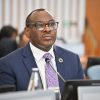
A Premium Is What Africa Pays for Poor Credit Perception
Many African countries are perceived as a credit and investment risk. As a result, they are paying higher borrowing costs than developed countries. African countries often fail to attract international investment and finance as a result of poor credit ratings by international agencies. Only Botswana and Mauritius, out of the 55 African countries, receive an investment grade rating. Lenders view the rest as having 'junk' status, indicating a high risk of loan default. As a result, lenders will demand a higher interest rate to compensate for the perceived increased risk of the borrower.
Third LDC Future Forum Concludes with Ambitious Plans to Build Resilience in Least Developed Countries
The 3rd LDC Future Forum, held from April 1-3, 2025, in Zambia, brought together global leaders, policymakers, and experts to address the urgent need for resilience in the world’s 44 Least Developed Countries (LDCs).
Trump Accord Sows Discord in US Empire
US President Donald Trump has deliberately sown discord worldwide in attempting to remake the world to serve supposed American interests better. He will not cede influence, let alone power and control, to other nations, let alone people.
Lives at Risk After Some States Withdraw From Landmine Treaty
As a string of European states announce withdrawals from a global treaty banning antipersonnel landmines, campaigners are warning countless lives could be put at risk as decades of progress fighting the weapons come under threat.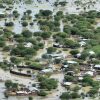
Uncertainty Looms for Kenya Following Tense IMF/World Bank Spring Meetings
Reflecting on this year’s IMF/World Bank Spring Meetings, one word lingers in my mind: uncertainty. The shifting global geopolitical landscape loomed large—none more so than the US administration’s initial threat to withdraw from the Bretton Woods institutions.
A Feminist Future for the UN: Why the Next Secretary-General Must Champion Civil Society
Climate change is threatening to engulf small island states such as Maldives and the Marshall Islands. Gender apartheid is still practiced in theocratic states such as Afghanistan and Saudi Arabia. War crimes and genocide are taking place in the Occupied Palestinian Territories and Sudan.
World Press Freedom Day 2025
Global Press Freedom Index Falls to Critical Low
Global press freedom across the world is at a “critical moment,” campaigners have warned, as a major index mapping the state of global press freedom hits an unprecedented low.
The Vietnam and Gaza Wars Shattered Young Illusions About US Leaders
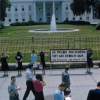
Eight years before the U.S.-backed regime in South Vietnam collapsed, I stood with high school friends at Manhattan’s Penn Station on the night of April 15, 1967, waiting for a train back to Washington after attending the era’s largest antiwar protest so far.
To Save Our Planet, We Must Protect Its Defenders
The most powerful court in Latin America and the Caribbean, the Inter-American Court of Human Rights, is preparing to clarify the obligations of States in relation to climate change. In its upcoming Advisory Opinion, the Court must articulate ambitious standards for respecting and protecting the human rights of environmental defenders in the context of the climate crisis.
World Press Freedom Day 2025

Freedom of the press is facing growing threats across the world. Authoritarian regimes still imprison, silence, and kill journalists.
Humanitarian Aid is Stretched Following Surges in Violence in Sudan
After over two years of extended warfare in Sudan, humanitarian organizations have expressed fears of an imminent collapse as widespread hunger, displacement, and insecurity ravages the population. With tensions between the Rapid Support Forces (RSF) and the Sudanese Armed Forces (SAF) having reached a new peak in 2025, it is imperative that Sudanese communities in the most crisis-affected areas have unfettered access to life-saving aid.« Previous Page — Next Page »


Want to keep up with the latest news and views from the Global South? Sign up for IPS Daily News Report for daily emails with our top stories about international development, climate change, gender and more. (Formerly IPS TerraViva since 1993).

The Week with IPS

NEXT STOP - SDGs
Tracking global progress towards a sustainable world
Tracking global progress towards a sustainable world
