Languages
Tuesday, October 20, 2026



News and Views from the Global South
Africa
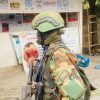
Goma: What Have We Done to God to Deserve All This?
Zawadi Delphine is a soldier's wife and mother of three. She and her family live in Camp Katindo, east of the city of Goma, the provincial capital of North Kivu. Recalling what happened on the night of Sunday, January 26, 2025, she says that her husband had come from the front, north of the city of Goma, visibly angry and in a hurry. Without telling her what was really going on, he had told her that they would only meet again by "divine grace."
‘Reconciliation Will Require Robust Transitional Justice and Accountability Mechanisms’
CIVICUS discusses the ongoing conflict in Ethiopia’s Amhara region with Hone Mandefro, advocacy director at the Amhara Association of America, and Henok Ashagray, PhD candidate and project officer at the Centre for Human Rights at the University of Pretoria.
Benin: An African Pioneer
Benin faced a number of negative spillovers in 2022: a deteriorating regional security situation at its northern border, the lingering scars of COVID-19, and higher living costs amid the war in Ukraine.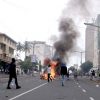
Mozambique: Two Presidents, One Divided Nation
No illusions: Mozambique remains in crisis, despite the inauguration of Daniel Chapo as president and the establishment of a new parliament. While the widespread allegations of massive electoral fraud during the elections on 9 October 2024 were the immediate trigger for the unrest, the protests revealed deeply entrenched socio-economic and political grievances.
‘Areas Essential to the Global Climate Are Being Threatened by Economic Projects’
CIVICUS discusses activism against oil auctions in the Democratic Republic of the Congo (DRC) with François Kamate, founder and coordinator of the young environmental volunteer movement Extinction Rebellion Rutshuru.

African Countries Called Upon to Improve Data Collection
Africa's lack of robust application of statistical research has been flagged as slowing the use of evidence-based data to drive development.
Greed and Cynicism Fuel Rwanda’s War in DRC
The fresh offensive by the M23 rebels and Rwanda forces in Eastern Democratic Republic of the Congo (DRC) coincides with the first anniversary of the Memorandum of Understanding (MOU) signed between the European Union (EU) and Rwanda to cooperate on the supply of “critical minerals.”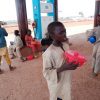
Malnutrition in Nigeria Rises Alarmingly, Urgent Action Needed
In June 2024, 26-year-old Zainab Abdul noticed her two-year-old daughter growing pale, losing weight, and battling diarrhea. She wasn’t surprised. Since jihadist-linked bandits had forced them out of their village in Kadadaba, Zamfara State, in northwestern Nigeria, her family had been living in a refugee camp with limited access to food.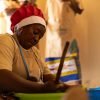
Cooking up Success: Solar Kitchen Initiative Aims to Expand Access to Clean Energy in Angola
Access to energy is essential for sustainable development, but for many rural communities, it’s still out of reach. In Angola, according to the 2019-2020 agricultural census, most rural villages lack access to electricity.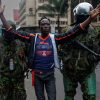
Kenya’s Shadow War on Activism
Kenya’s young protesters are paying a high price for speaking out. Last June, a protest movement led by first-time activists from Generation Z emerged in response to the government’s Finance Bill, which would have introduced sweeping tax increases. The government quickly withdrew its plans, but protests continued, articulating anger at economic strife, elite corruption and out-of-touch politicians. The government’s response has been violent. Police have used batons, teargas and water cannon against protesters. On the worst day of violence, 25 June, when some protesters attempted to storm parliament, police fired live ammunition. Over 60 people were reported killed during the protests. At least 1,200 were reportedly arrested.
Report Exposes Silent Global Emergency as More Crises-Affected Children Need Urgent Education Support
A report released today on the International Day of Education sounds alarm as the number of school-aged children in crisis worldwide requiring urgent support to access quality education reaches a staggering 234 million—an estimated increase of 35 million over the past three years fueled by intensifying armed conflict, forced displacements, more frequent and severe weather and climatic events, and other crises.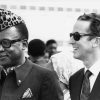
Should King Baudouin, DRC’s Last Sovereign, Be Beatified?
During his visit to the Kingdom of Belgium in September 2024, Pope Francis was full of praise for King Baudouin, who ruled Belgium for more than 40 years. The pontiff announced the start of the beatification process for the man who, on the Belgian side, ratified the Congo's act of independence on June 30, 1960.
A Dream Deferred: Why Is Traveling Across Africa So Hard for Africans?
Aliko Dangote, Africa’s richest man, carries his frustration as visibly as he carries his passport. To travel across the continent he calls home, he needs 35 visas—each a bureaucratic hurdle and a reminder of the barriers to free movement and trade in Africa.
Fallen Black South African Soldiers From World War I Finally Remembered
It was a solemn ceremony on a bright sunny day on the southern tip of Africa, in Cape Town’s company gardens, amid the grass wooden structures that stand out. The 1,700 carefully constructed brown wooden carvings are standing in a line. These structures represent a new Commonwealth War Graves Commission (CWGC) memorial, which honors the contribution of the hundreds of Black South African military laborers of the First World War. The CWGC remembers the fallen soldiers of both World Wars equally with this first permanent redress tribute.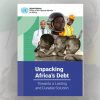
Rethinking Africa’s Debt: Debunking Myths and Identifying Sustainable Solutions
To achieve the Sustainable Development Goals (SDGs) and Agenda 2063 aspirations, Africa requires an additional $1.3 - 1.6 trillion in financing.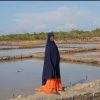
Pemba’s Woman Salt Farmers Forge Livelihoods Amid Climate Woes
As the cool morning breeze sweeps across the Indian Ocean beach in Tanzania’s Pemba archipelago, Salma Mahmoud Ali begins her day. With her brightly coloured Kikoi cinched tightly around her waist and a dark blue scarf framing her face, she walks barefoot toward her salt ponds. The humid air hangs, but Ali wades through ankle-deep water with courage.
Education Cannot Wait Interviews Adenike Oladosu, ECW Global Climate Champion and BBC 100 Women 2024
Adenike Oladosu is a leading Nigerian ecofeminist, climate justice leader and researcher. She was appointed as an ECW Global Climate Champion on World Environment Day in June 2024. In December of last year, Adenike was honored by #BBC100Women, selected as one of the BBC’s 100 most influential and inspiring women from around the world. She was also a finalist for the Pritzker Emerging Environmental Genius Award.

Ghana a Contender for BRICS+ Alliance
With heightening geopolitical interest in building a new Global South architecture, Ghana's administration is considering joining the 'partner states category' of BRICS+, an association of five major emerging economies (Brazil, Russia, India, China and South Africa).
African Countries Urged to Plug Wealth Loss, Stop Illicit Financial Flows
Africa loses billions of dollars annually through illicit financial flows, resulting in the continent failing to improve the lives of millions of people despite vast mineral wealth, according to experts. Agencies say more needs to be done to turn the continent's natural resources into prosperity at a time governments are struggling to address challenging economic conditions that have spawned high poverty levels.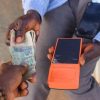
Remittances Vs Philanthropy – a Development Practitioner’s Perspective
Across Africa, economic transformation and development are being fuelled by two significant streams of funding: remittances and philanthropy. Both play vital roles, but as the situations evolve in many African countries, one truth becomes increasingly clear – remittances are emerging as a more sustainable, dignifying force compared to traditional philanthropy.
Laureates Call For Moonshot Innovation Effort to Avert Hunger Catastrophe
Neglected indigenous crops, rich in nutrition and resilient to climate change, are key to tackling global hunger only if governments invest in research and development (R&D) to tap the potential of such innovations. More than 150 Nobel and World Food Prize Laureates are calling for investment in moonshot technologies to realize the potential of innovative solutions such as these hardy crops, warning that without swift action, there is a "food insecure, unstable world.”« Previous Page — Next Page »





The Week with IPS

NEXT STOP - SDGs
Tracking global progress towards a sustainable world
Tracking global progress towards a sustainable world
