Languages
Sunday, October 18, 2026



News and Views from the Global South
Global
Immigrants Are What Made America Great
Trump’s immigration policy is destroying America’s greatness Immigrants are the backbone of America’s greatness— powering its economy, enriching its culture, and advancing its global leadership. Yet under the guise of making America great again, Trump's exclusionary, racist policies are dismantling that very foundation, stifling innovation and tarnishing the nation’s moral standing.
UN Report Details Grave Abuses Against those Trafficked into Scam Centres
A report published today by the UN Human Rights Office graphically details the lived experiences of some of the hundreds of thousands of people trafficked from dozens of countries around the world into working in entrenched scam operations mostly in Southeast Asia, as well as far beyond.
As Biodiversity Loss Grows, Rome Talks Urge Nations to Step Up Action
Governments meeting in Rome last week acknowledged that global efforts to protect nature are still not moving fast enough, even as biodiversity loss continues to affect ecosystems, livelihoods, and economies worldwide.
Ode to U.S. Civil Rights Icon Rev. Jesse Jackson Sr: A Life That Carried the Rainbow
When the Rev. Jesse Jackson Sr. declared, “Keep hope alive,” it was not a slogan. It was a discipline. It was a moral posture. It was a promise to those America had locked out of its prosperity and pushed to the margins of its democracy. And for more than five decades, Jackson kept that promise – organizing, marching, preaching, negotiating, and standing in solidarity with oppressed peoples at home and abroad.
‘Worrying’ War on Drugs Rhetoric Comes with Human, Financial Costs
Drug reform campaigners have called for an overhaul of global drug controls amid an increasingly complex and deadly drug situation in the world and as hardline anti-drug approaches are increasingly being used as cover for repression of civil society and human rights defenders.
International Humanitarian Law is at Breaking Point – but not Beyond Repair
International humanitarian law is at a breaking point, as rampant impunity for serious violations is enabling even greater abuses against civilians and detainees.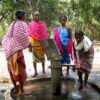
The Global Struggle for Equality for Women and Girls
The global struggle for equality for women and girls has been ongoing for centuries, with no single country having achieved full equality. In many countries, women and girls continue to face discrimination, harassment, unequal treatment, injustice, domestic violence, and a lack of security and safety.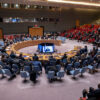
The Veto May be the Weapon of Elimination in the Election of Next UN Chief
As the campaign for the next Secretary-General gathers momentum – at a relatively slow pace – there is widespread speculation that any candidate running for the post of UN chief will have to abide by the dictates of a politically hostile White House or face a veto in the Security Council.
From Pledges to Proof: UN Biodiversity Meeting Begins First Global Review of Nature Action
Governments convened in Rome on Monday (February 16) for a critical round of UN biodiversity negotiations, launching the world’s first global review of how countries are acting to protect nature.
We Must Reject a World Governed by Raw Power
2026 has begun on a deeply troubling note. International law, long regarded as the backbone of global peace and security, is being challenged in ever more brazen ways. Core principles of sovereignty and restraint are being flagrantly breached.
Multilateralism Reaching Breaking Point
The latest World Economic Forum made clear the current crisis of multilateralism. Over 60 heads of state and 800 corporate executives assembled in Davos under a ‘Spirit of Dialogue’ theme aimed at strengthening global cooperation, but it was preceded by a series of events pointing to a further unravelling of the international system.
Next UN Secretary-General Should Champion Human Rights
United Nations member countries will select a new UN secretary-general this year to succeed António Guterres in January 2027. The change in leadership comes at a time when human rights and democracy, as well as the international organizations created to uphold those principles and provide lifesaving assistance, are under unprecedented attack.
As Glaciers Melt, the World’s Hidden Water Banks Are at Risk
Glaciers – the world’s hidden water banks - are a source of life for billions. The seasonal melt from mountains and glaciers sustains some of the world’s most important rivers, such as the Indus, the Nile, the Ganges and the Colorado. Those and other mountain-fed rivers irrigate crops, provide drinking water for nearly two billion people, and power electricity generation.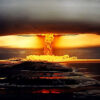
After New START, Accelerated Nuclear Arms Racing?
The most recent agreement limiting U.S. and Russian strategic nuclear arsenals, New START, expired on February 5, and prospects for any kind of follow-on agreement are very uncertain.
As Landmark Treaty Expires, No Binding Limits on US-Russia Nuclear Arsenals
When the nuclear Strategic Arms Reduction Treaty (START) between the US and Russia expired last week, it ended a historic era--- but triggered widespread speculation about the future. UN Secretary-General Antonio Guterres said “February 5 was a grave moment for international peace and security”.
Bridging the Capital Gap: Strategic Public-Private Partnerships Invest in Young Agri-entrepreneurs
The global aid system is crumbling amidst chronic underinvestment in rural areas, posing a systemic threat to food systems everywhere. With 1.3 billion young people in the world today – the largest generation in history, and nearly half of them living in rural areas – investing in their entrepreneurial potential is key.
“Deepfake Abuse Is Abuse”: UNICEF Sounds Alarm as AI Fuels a New Global Child-Exploitation Crisis
New findings from the United Nations Children’s Fund (UNICEF) reveal that millions of children are having their images manipulated into sexualized content through the use of generative artificial intelligence (AI), fueling a fast-growing and deeply harmful form of online abuse. The agency warns that without strong regulatory frameworks and meaningful cooperation between governments and tech platforms, this escalating threat could have devastating consequences for the next generation.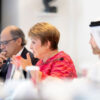
Leveraging Artificial Intelligence and Enhancing Countries’ Preparedness
It is a pleasure for me to join His Excellency, Minister Al Hussaini in welcoming you to this important dialogue here in the United Arab Emirates—a fast-growing global AI hub. A recent Microsoft study reports that 64 percent of the UAE’s working age population uses AI, which is the highest rate globally.
Trade Liberalisation Undermines Development
Despite lacking both evidence and theory, many economists claim trade liberalisation accelerates development. But only a few economies have gained many jobs from external market access.
A Business Necessity: Align With Nature or Risk Collapse, IPBES Report Warns
Business can still remain profitable while protecting the environment but invest in nature-positive operations, says a landmark report by the Intergovernmental Platform on Biodiversity and Ecosystem Services (IPBES), which finds that global companies have contributed to the escalating loss of biodiversity.
Goal 1: End Poverty in all its Forms –Everywhere
Eradicating extreme poverty for all people everywhere by 2030 is a pivotal aim of the Sustainable Development Goals. Extreme poverty, defined as surviving on less than US$3.00 per person per day at 2021 purchasing power parity, has witnessed remarkable declines over recent decades.« Previous Page — Next Page »





The Week with IPS

NEXT STOP - SDGs
Tracking global progress towards a sustainable world
Tracking global progress towards a sustainable world
