Languages
Tuesday, November 10, 2026



News and Views from the Global South
IPS UN Bureau
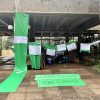
Biodiversity Meetings in Nairobi End, All Eyes Are Now on COP16
Regions struggling to revise and update their National Biodiversity Plans aligning them with the Global Biodiversity Framework adopted at COP15, will now be given the technical and scientific support to develop and submit their plans on time. This was one of the key decisions of the 4th meeting of the Subsidiary Body on Implementation (SBI)—the crucial pre-COP meetings of the United Nations Convention on Biodiversity (UNCBD)—to review the status and challenges of implementing the Global Biodiversity Framework (GBF), which started on May 22 and ended in Nairobi late in the evening of May 29, 2024.
Commonwealth Secretary-General Calls for Concrete Finance Commitments for Small Island Developing States
Commonwealth Secretary-General Baroness Patricia Scotland is calling for concrete commitments to climate finance that will acknowledge the multi-dimensional vulnerability faced by the world’s small island developing states (SIDS).
The Dilemma for Small Island Developing States: Recovery or Development?
“We are facing unenviable decisions, between the recovery of today or the development of tomorrow”. These were the words of Fiamē Naomi Mataʻafa, of Samoa at the opening of the 4th International Conference on Small Islands Developing States (SIDS4).
President Biden Needs to Do More than Propose a Ceasefire Plan That Israel Already Rejected a Month Ago
Throughout his long career, but especially these past heart-wrenching eight months, President Biden has consistently placed his ironclad loyalty to Israel over his fidelity and duty to the United States. The consequences this week have been catastrophic for the Palestinian people, made Israelis even less secure, and betrayed American national security and democratic integrity.
Chad: Dictatorship Continues by Other Means
On 6 May, people went to the polls in Chad, ostensibly to elect a president who’d usher in democratic civilian rule. Ten days later, the Constitutional Council confirmed there’d be no change: the elected president was the leader of the military-backed transitional government supposedly handing over power, Mahamat Idriss Déby.
Why Protection & Participation of Children Must be Elevated at the UN Summit of the Future
The United Nations will hold the Summit of the Future on September 22—23 this year, during its annual General Assembly. Heads of state and government and their representatives will gather at the UN headquarters in New York, to discuss, agree on, and endorse a multilateral, action-oriented “Pact for the Future” intended to “protect and enshrine the rights of future generations”.
Maggot Farming Creates Entrepreneurs, Saves Farming Costs in Zimbabwe
Three years ago, 43-year-old Benard Munondo was an "ordinary" Zimbabwean teacher at a local primary school, but now he has turned maggots into gold. Thanks to maggot farming, Munondo, who has never owned a home nor driven a car, now has both. In 2020, a week’s training on maggot farming changed his world.
Plastic Soup, Plastic Islands: How Small Island Developing States can end Plastic Pollution
Scattered over the vast area of our oceans, Small Island Developing States (SIDS) are often pictured as blue, serene and beautiful paradises. However, we are risk losing the beauty of these islands, due to the triple threats of climate change, loss of biodiversity, and pollution, especially marine plastic debris.
UN, International Partners Coordinate Aid to Papua New Guinea Landslide Disaster
As the communities of Enga province in Papua New Guinea contend with the landslide that has devastated the residents of Yambani, the United Nations and its partners have been active on the ground addressing the immediate humanitarian needs, according to agencies.Papua New Guinea’s prime minister, James Marape, says “extraordinary rainfall” and weather pattern changes were responsible for multiple disasters in the Pacific Island nation this year, including the landslide last Friday.
Explainer: Why Is It Important for Venezuela to Adopt Escazú Agreement in the Coming Year?
Venezuela is one of the few countries outside the Escazú Agreement, a treaty in Latin America and the Caribbean ratified by 16 member countries that guarantees access to environmental information, public participation in environmental decisions, and environmental justice.
South Suffering Due to Powerful Nations’ Policies
The World Bank expects the international economic slowdown to be at its worst in over four decades in 2024. This is mainly due to powerful Western nations’ contractionary macroeconomic and geopolitical policies.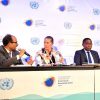
Uniting for Climate Action: UN, World Bank and UNDRR Leaders Push for Climate Finance, Justice and Nature-Based Solutions for SIDS
As leaders of Small Island Developing States (SIDS) meet for the 4th International Conference on SIDS in Antigua this week, top United Nations and World Bank officials are calling for urgent action to help SIDS tackle their unique challenges and plan for the next decade.
To Tackle Climate Crisis, the World Bank Must Stop Financing Industrial Livestock
Last week, the World Bank Group released a new report that highlights the urgent need to drastically reduce GHG emissions to address the climate crisis and calls on countries to act. However, while the World Bank’s acknowledgment of the damaging climate impacts of industrial agriculture is a crucial step forward, it’s simply not enough.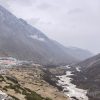
Explainer: Why GLOFs Are Growing Concern in the Himalaya
Phu Chhettar Sherpa, who worked as an icefall doctor (a Sherpa who fixes ropes for climbers) for seven years from 2015 to 2021 on Mt. Everest, vividly recalls his fear of possible flash floods after the huge earthquake in Nepal in 2015.
Let the Dead Speak: Forgotten Workers
Immigration policies are among the most hotly debated topics in Europe. Xenophobia, combined with curbing immigration, have become the main reason to why ever-increasing large crowds of voters are supporting populist parties.
‘There can be No Special Status for Public Officials’
The chief prosecutor of the International Criminal Court (ICC), Karim Khan, last week requested arrest warrants for three Hamas leaders as well as for Israeli Prime Minister Benjamin Netanyahu and his Defence Minister Yoav Galant. They are accused of various war crimes and crimes against humanity. But what does this mean and where do things go from here?
Small Island Nations Demand Urgent Global Action at SIDS4 Conference
“This year has been the hottest in history in practically every corner of the globe, foretelling severe impacts on our ecosystems and starkly underscoring the urgency of our predicament. We are gathered here not merely to reiterate our challenges, but to demand and enact solutions,” declared Antigua and Barbuda Prime Minister Gaston Brown at the opening of the Fourth International Conference on Small Island Developing States on May 27.
Explainer: Understanding Carbon Trading and its Rationale
Carbon trading has gained growing popularity on the African continent and is considered by many governments as a viable way to achieve their climate targets while building communities. IPS takes a look at what's behind the carbon market.
Veteran Human Rights Leader Has Seen Enough: Israel Perpetrating Genocide in Gaza
A widely respected humanitarian law expert who has resisted using the term "genocide" for Israel's killing of tens of thousands of Palestinians in Gaza—a word used "sparingly" in the international human rights movement, he noted—said he has concluded a genocide is indeed taking place, evidenced particularly by Israel's blocking of humanitarian aid.
Malawi Moves To Regulate Carbon Trading Amid Transparency Concerns in Global Market
Malawi is increasingly pitching carbon trading as a source of revenue it needs to bolster the economy, which is suffering from foreign exchange shortages caused by a large trade imbalance and being buffeted by several shocks, including the climate crisis.
Countdown to Critical Conference for Small Island Developing States
Delegates from small island developing states (SIDS) worldwide are meeting in Antigua and Barbuda to strategize for the next decade.« Previous Page — Next Page »





The Week with IPS

NEXT STOP - SDGs
Tracking global progress towards a sustainable world
Tracking global progress towards a sustainable world
