Languages
Monday, September 21, 2026



News and Views from the Global South
Children Under Siege
SOUTH AMERICA: Uneven Progress in Child Health
Argentina, Bolivia, Brazil, Chile, Paraguay and Uruguay have all made progress in the area of child health. But some are celebrating significant achievements while others are plodding slowly towards the goals adopted by the U.N. member countries in 2000.Companies Vow to Shun Child Labour in Uzbekistan
With Fashion Week under way in New York, Milan and London, more than 60 apparel companies from the United States and Europe this week publicly pledged to not knowingly buy cotton that has been harvested by children forced to labour in the cotton fields of Uzbekistan.
HAITI: U.N. Troops Accused of Exploiting Local Women
Seventeen-year-old Rose Mina Joseph says she is nine months pregnant. Her belly is swollen and she moves slowly, placing each step, as she walks around her family's dusty yard.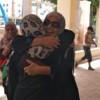
LIBYA: New Chapter Opens After Gaddafi
Libyan children will go back to school without Muammar Gaddafi’s ubiquitous presence, despite a lack of new books.MEXICO: Women Inmates Share Prison Conditions with Their Children
María S. lays her infant son down on one of the cold concrete slabs of her cell in the central penitentiary of Santa María Ixcotel, in the metropolitan area of this city in southwestern Mexico.ISRAEL: Children Facing Deportation Find Friends
After Israel’s Interior Ministry attempted to deport the first migrant workers’ child educated in the Israeli school system, human rights groups are calling on the Israeli government to develop a clear immigration policy and an official protocol that will minimise the psychological impact of detaining and deporting young children.ARGENTINA: Child Allowance Restores Families’ Ties with Schools
Conditional cash transfers to poor families with children in Argentina "have had a very positive impact," says an enthusiastic Graciela Dulcich, the principal of a primary school in a poor neighbourhood on the outskirts of Buenos Aires.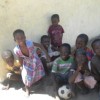
Neglected Diseases Group Seeking Child-Friendly AIDS Drugs
A scientific alliance in which developing countries are playing a key role has taken on the challenge of producing paediatric AIDS drugs, an area that is no longer a priority for pharmaceutical companies because mother-to-child transmission of HIV has virtually been eliminated in the industrialised world.
CHILE: “We Are Prepared to Give Our Lives for Education”
As students and teachers continue their massive protests in the streets of Chile's cities, one of the most extreme methods of demanding higher-quality, free public education is the hunger strike being undertaken by 28 youngsters at secondary schools across the country, four of whom have not taken food for nearly 40 days.ECUADOR: 40 Percent of Children Suffer Chronic Zinc Deficiency
The diets of people in Ecuador and other countries in South America's Andean region suffer from chronic deficiency of zinc, a mineral essential to childhood nutrition, as demonstrated by studies led by paediatrician Dr. Fernando Sempértegui.JAPAN: Divorced Men Lose Children Along With Visas
Shahdul Huq, a Bangladeshi national living in Japan for more than 20 years, last saw his daughter almost three years ago when he lost his ‘spouse visa’ following divorce from his Japanese wife.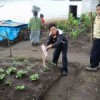
School Gardens Promote Learning While Fighting Hunger
"Yesterday I planted 20 broccoli plants at home. God willing, they will grow and we will be able to eat them," said 12-year-old Juan Francisco Ordóñez, a student at a school in San Cristóbal Totonicapán where a school garden has been established in an attempt to alleviate hunger.
MIDEAST: In Prison, and Denied Education
Access to education for Palestinian prisoners in Israeli jails is getting worse as international organisations remain unwilling or unable to intervene. Secondary- school students here completed their exams in June, and received their results by end of July. However, the 1,800 Palestinian prisoners who were supposed to complete their exams were not permitted to do so by the Israeli Prison Service.EL SALVADOR: New Child Protection Law Starved of Resources
Lack of budget resources and political will, according to activists, is preventing fulfilment of the provisions of El Salvador's long-awaited new law for the comprehensive protection of children and adolescents.JAMAICA: Impunity Cloaks Abuse of Young Girls
When a jury acquitted a Jamaican-born American pastor of carnal abuse charges in June, outraged islanders were forced to recognise that cultural norms seem to be promoting the sexual abuse of young girls.Film Revisits Abuses by U.N. Peacekeepers in Bosnia
"The Whistle Blower", a feature film inspired by actual events that occurred in 1999, follows the story of Kathy Bolkovac (Academy Award-winner Rachel Weisz), a U.S. police officer who takes a job working as a peacekeeper in post-war Bosnia.
U.N. Rights Committee Breaks 43-Year Israeli Taboo on Gaza
When the United Nations General Assembly created a three- member special committee to investigate Israeli human rights violations in occupied territories back in December 1968, the Jewish state reacted with obvious anger.
RIGHTS-INDIA: ‘Juveniles Get No Justice in Kashmir’
Kashmir’s juvenile justice system is sorely deficient for a state ridden with a long, and often violent, separatist conflict that attracts youth, say lawyers and rights activists.
EAST AFRICA: ‘It’s Not a Heartless Mother Leaving a Child Behind, Just One Who Wants to Survive’
On the road between the Kenyan and Somali border lie the dead bodies of children who have succumbed to the famine and the hardships of making the journey from their drought-stricken villages to Kenya.CENTRAL AMERICA: Families Downsizing
María José Aceituno, who works at a public relations firm in the Guatemalan capital, has two children and says she is not having any more, in order to safeguard the financial position and security of her family. "I would rather have two happy children than 10 who are dissatisfied," she said.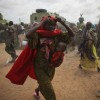
EAST AFRICA: Massive Aid Needed to Stave off Disaster
International donors have given more than one billion dollars to ease the famine in Somalia and elsewhere in the Horn of Africa, but U.N. officials say another billion will be needed to prevent the situation from deteriorating in other areas.« Previous Page — Next Page »


The Week with IPS

NEXT STOP - SDGs
Tracking global progress towards a sustainable world
Tracking global progress towards a sustainable world
