Languages
Monday, October 26, 2026



News and Views from the Global South
City Voices: The Word from the Street
MEXICO: "Who Will Help Us?"
Pilar identified seven drug traffickers who allegedly gunned down 12 young people and a baby on a street in the picturesque tourist town of Creel in August in the northern Mexican state of Chihuahua. The authorities also know who they are. But not one of the suspects has been arrested.
MEDIA-PERU: Women Outnumber, But Men Have the Power
At the start of the new academic year at Peruvian universities this month, women made up between 65 and 72 percent of students in first-year courses in communication and journalism departments, a phenomenon that is reflected in the growing presence of women reporters in newspapers all over the country.
FILM-US: Latino Fest in the Fray of Pop Culture’s Lucha Libre
The San Diego Latino Film Festival is perhaps the biggest little film festival most people outside of Southern California have never heard of.
ENVIRONMENT: Fresh Fruit for Rotting Vegetables
Brooklyn's historic Fort Greene Park lures locals each Saturday with a year-round vegetable and produce market. But it's not just a place for consumption. Locals come bearing plastic containers and buckets filled with squash skins, used tea bags and expired asparagus. It's all fodder for compost.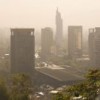
ENVIRONMENT-CHILE: Nobody Is Predicting Cleaner Air for Santiago
Olivia González has been a schoolteacher for 30 years in Cerro Navia, one of the districts in the Chilean capital with the highest concentration of air pollution between April and August. A first-hand witness to its effects on health, she is pessimistic about the air she'll breathe this coming southern hemisphere winter.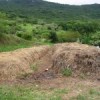
BRAZIL: Making Eco-History in a Southern Beach Town
In the city of Garopaba, a tourist destination on Brazil's southern coast, leftover food from restaurants will be turned into fertiliser to be used by farmers, who in turn will grow pesticide-free fruits and vegetables for snacks in the local schools.
RIGHTS-CUBA: Dissidents’ Wives Back in the Fray
The group of women known as the Ladies in White are holding six days of protests this week in the Cuban capital – one for each year their dissident husbands, fathers or sons have spent in prison.RIGHTS-BRAZIL: Law Still Not Saving Women’s Lives
Rosemary Fracasso, a 37-year-old mother of two teenagers, was murdered by her ex husband with a machete. During the attack he cut off her fingers and arms and left her heart visible through a gaping chest wound.TRANSPORT-CUBA: Nearly There
Cuba's transport crisis finally appears to be coming to an end, after three years of substantial investments and reforms, although future economic growth could pose new challenges.
ENVIRONMENT: Brazil's Concrete Jungle
For the residents of Recreio, an upscale district on the west side of Rio de Janeiro, it is hardly a surprise these days to find alligators holding up traffic along their streets or slipping in for a dip in their swimming pools.
BRAZIL: Happiness Is Promoting Health and Development in the Amazon
On his fourth trip to Brazil, Prince Charles plans to visit a project in the Amazon jungle that has cut infant mortality and illiteracy nearly in half by organising poor communities to get involved in their own development.VENEZUELA: Wound Still Gaping 20 Years after ‘Caracazo’
As José Luis reached the bus stop, he saw a crowd of furious local residents smashing shop fronts, cars and telephone booths. Without giving it much thought, he threw himself into the mob that broke into a small supermarket, triggering the worst social uprising and biggest massacre in the last 100 years in Venezuela.
CUBA: Raul Castro’s First Year – Whispers of Change
As Cuban President Raúl Castro completes his first year in office, although a few of the "structural and conceptual" changes he promised have materialised, the pace of reform remains slow, deflating expectations and contributing to pessimism among the people of this Caribbean island nation.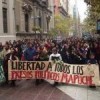
CHILE: Gov’t Unleashes Anti-Terror Law on Mapuche Activist
"They burst in aiming machine guns at us. They found him in the hallway, they grabbed him by the hair, they threw him on the floor and they beat him up," Ida Huenulef told IPS, describing the arrest of her son Miguel, the first indigenous Mapuche activist to be charged under the Anti-Terrorist Law by the government of Chilean President Michelle Bachelet.ECONOMY-US: Squatters See Silver Lining in Foreclosed Homes
With foreclosures skyrocketing and U.S. families sinking deeper into poverty, a number of organisations are turning to a new strategy to end homelessness: moving families into vacant, foreclosed houses that are currently owned by banks or the government.RIGHTS-MEXICO: Ordeal Ends for Sons of Alleged Guerrillas
Antonio and Héctor Cerezo, whose parents have been accused by the Mexican authorities of founding a guerrilla group, walked free out of prison this week after serving seven-and-a-half year sentences. According to human rights organisations, they were victims of state revenge.VENEZUELA: Social Issues Played Down in Referendum Campaign
A mob seized a man suspected of rape in El Valle, a populous district in the southwest of the Venezuelan capital, beat him to death, and then burned his corpse - twice over, so that the press could film and photograph the scene. In spite of the horrifying images, few public figures mentioned the case.ECONOMY-US: Advocacy Groups Fear New Wave of Homeless
Homeless advocates in the United States say if the new Congress and the Barack Obama administration do nothing, many more low-income people already teetering on the brink could end up living on the streets over the next two years.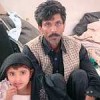
PAKISTAN: Slum Fire Reignites Housing Concerns
A fire which razed a slum settlement and killed 40 of its residents earlier this month has brought to the fore the deplorable conditions in which half of the 12 million people of this port city live - and official indifference to their plight.ARGENTINA: State Subsidises Poorly Functioning Privatised Subway
On weekdays in the Argentine capital, 1.5 million people use the subway, which was the first underground train system in Latin America and the 13th in the world. But while it remains an affordable means of transportation, it is the target of myriad complaints.COLOMBIA: Conditions in Place for New Hostage Release
Nearly three weeks after the Revolutionary Armed Forces of Colombia (FARC) announced that they would release six hostages, the government of right-wing President Álvaro Uribe has agreed to provide security guarantees for the operation, which is expected to take place this month.« Previous Page — Next Page »





The Week with IPS

NEXT STOP - SDGs
Tracking global progress towards a sustainable world
Tracking global progress towards a sustainable world
