Languages
Thursday, October 15, 2026



News and Views from the Global South
Coffee
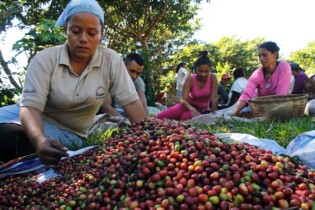
A Stronger Future for Coffee Starts Where It Is Grown
Imagine your morning coffee. You smell the aroma as steam rises from the cup. It wisps and swirls, thins, then disappears. You lift the cup to your mouth. The first pure joy of the day.
Climate Change Is Coming for Your Morning Coffee
Your morning cup of coffee could soon cost more, thanks to climate change, which is raising the heat on the production of the world's most loved beverage.
In the Face of Scarcity, Cubans Dream of Once Again Drinking Their Daily Cup of Coffee
While the Cuban government's plans to increase production begin to bear fruit, Mireya Barrios confesses that she seeks every possible way to enjoy a cup of coffee every day, in the face of high prices and scarcity.
Climate Change Needn’t Spell Doom for Uganda’s Coffee Farmers
Coffee production provides a quarter of Uganda’s foreign exchange earnings and supports some 1.7 million smallholder farmers, but crop yields are being undermined by disease, pests and inadequate services from agricultural extension officers, as well as climatic changes in the East African country.
Coffee Producers in Costa Rica Use Science to Tackle Climate Change
“Our coffee production per hectare has dropped due to early ripening of the fruit and diseases,” Maritza Cal[related_articles][related_articles] coffee farmer in the mountains in southern Costa Rica, told IPS.
Coffee Rust Aggravates Poverty in Rural El Salvador
Sitting in front of a pile of coffee beans that she has just picked, Ilsy Membreño separates the green cherries from the ripe red ones with a worried look on her face, lamenting the bad harvest on the farm where she works in western El Salvador and the low daily wages she is earning.
Coffee Time in Uganda
Uganda, Africa's biggest coffee exporter, is racing against time to boost its production of the crop by 60,000 tonnes, or one million 60-kilogramme bags, within the next three years. But some industry players believe that the feat is unattainable.





The Week with IPS

NEXT STOP - SDGs
Tracking global progress towards a sustainable world
Tracking global progress towards a sustainable world
